2026 Best Cookware for Healthy Cooking What Is Best?

Time:2026-10-16 Author:Sophia
0%

Choosing cookware for healthier meals sounds simple. It is not. The pan on your stove can affect cooking temperature, food sticking, cleaning habits, and small amounts of material transfer. Your recipes matter, too.

So, what cookware is best for healthy cooking? The honest answer depends on your food, technique, budget, and tolerance for maintenance. Stainless steel offers durability and works well for vegetables, soups, and lean proteins. Cast iron holds steady heat, but it can add iron to acidic foods. Glass and high-quality ceramic can be useful for baking, although coatings may wear over time. Nonstick cookware needs special care. Avoid extreme heat, damaged surfaces, and metal utensils.

Food scientist Dr. Guy Crosby has stated, “There is no evidence that aluminum cookware causes Alzheimer’s disease.” His point reflects a wider lesson: health claims should be judged by evidence, not fear. Cookware safety is usually about proper use, temperature control, and product quality.

Small choices matter. Keep a stainless-steel pan below its smoking point. Dry cast iron immediately after washing. Replace cookware when its surface flakes, cracks, or becomes difficult to clean. Read the manufacturer’s instructions. That step is easy to ignore.

No material is perfect. I once valued effortless cleanup more than heat control, and that choice encouraged overly high temperatures. Better decisions require balance. This guide compares popular cookware materials through safety, performance, durability, and everyday experience. It will help you choose a practical pan, not chase an unrealistic “healthiest” label.
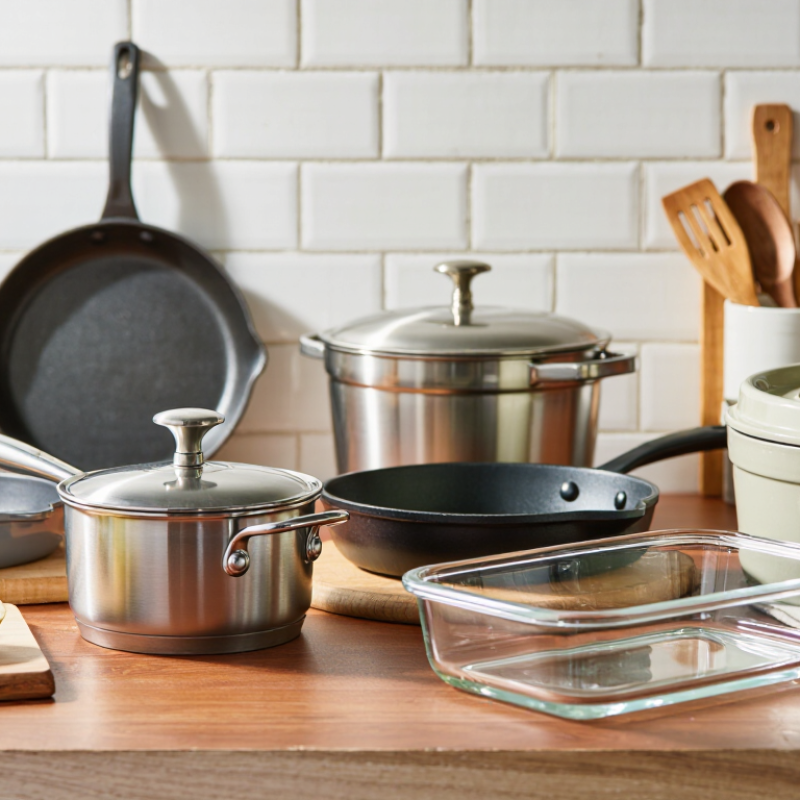
2026 Best Cookware for Healthy Cooking What Is Best?

What Makes Cookware Healthy for Everyday Cooking in 2026

What Makes Cookware Healthy for Everyday Cooking in 2026

Healthy cookware begins with stable, food-safe contact surfaces. Stainless steel, glass, cast iron, and well-maintained ceramic can all work well. The best choice depends on cooking habits, heat control, and maintenance.

The U.S. FDA Food Code 2022 emphasizes smooth, nonabsorbent, corrosion-resistant food-contact surfaces. These features reduce trapped residue and make thorough cleaning easier. In daily use, I look for a pan without deep scratches, peeling layers, or rough seams. Small details matter. A loose handle can cause spills and unsafe handling. Warped bases also create uneven heating, which may burn oil in one spot while leaving food undercooked elsewhere.

Material care deserves equal attention. EFSA’s scientific opinion established a tolerable weekly intake for aluminium of 1 milligram per kilogram of body weight. That does not make every aluminium pan dangerous. It does show why acidic foods, long cooking times, and damaged surfaces deserve caution. I would avoid storing tomato sauce overnight in bare aluminium. That habit is convenient, but not ideal. The U.S. National Institutes of Health also notes that cooking methods influence nutrient retention, especially with prolonged heating and excess water. Healthy cookware cannot repair poor cooking practices. Moderate temperatures, less charring, and regular replacement of damaged pieces remain practical safeguards.

How Different Cookware Materials Affect Food Safety and Nutrition

Choosing cookware is not only about heat distribution. The material can influence chemical migration, iron intake, and cooking habits. The European Food Safety Authority set aluminum’s tolerable weekly intake at 1 milligram per kilogram of body weight. Its assessment supports caution with acidic or salty foods cooked for long periods in uncoated aluminum. Tomato sauce left simmering in a scratched aluminum pot is not ideal.

Stainless steel is durable, but it is not chemically invisible. A study in the Journal of Agricultural and Food Chemistry found that acidic cooking increased nickel and chromium release, especially during long cooking times. People with known nickel sensitivity may need extra care.

Cast iron can add dietary iron, although the amount changes with acidity, cooking time, and pan condition. Sometimes, a pan changes the meal more than expected.

Nonstick coatings can reduce oil use and improve texture. The U.S. Food and Drug Administration states that properly manufactured, polymerized coatings have negligible migration under intended use. Empty-pan overheating remains a poor practice. Ventilate the kitchen. Replace heavily damaged surfaces.

Glass and intact enamel usually offer stable food-contact surfaces, but chips deserve attention. I would not treat one material as universally safest; the recipe, temperature, surface condition, and personal sensitivity all matter. My own weak assumption was that “stainless” meant no transfer at all. Evidence is less comforting, and more useful, than that label.

Which Cookware Types Suit Different Cooking Methods and Foods

2026 Best Cookware for Healthy Cooking: What Is Best?

Which Cookware Types Suit Different Cooking Methods and Foods?

Stainless steel suits searing, sautéing, and simmering acidic foods such as tomatoes. Its surface is durable, but food may stick without enough preheating and oil. I learned this after tearing several fish fillets apart. Medium heat works better than constant high heat.

Cast iron holds heat beautifully for steaks, cornbread, and roasted vegetables. It also adds weight, which can make daily cooking tiring. Keep it dry and lightly oiled to reduce rust. Avoid long cooking with acidic ingredients, especially in poorly seasoned pans. Enamel-coated iron handles acidic sauces more comfortably, but chips require careful inspection.

Carbon steel responds faster than cast iron. It works well for stir-frying, eggs, and thin pancakes after seasoning. A flat-bottomed pan is practical for most home stoves. For delicate foods, a quality nonstick pan needs less fat and gentle utensils. Replace it if the coating becomes badly scratched or flakes. Ceramic and glass cookware can suit baking, roasting, and slow casseroles. They show food clearly, yet sudden temperature changes may cause cracking. I still forget this when moving a hot dish onto a cold counter. Match the pan to the food, keep temperatures moderate, and inspect surfaces regularly.

How to Compare Durability, Maintenance, and Environmental Impact

2026 Best Cookware for Healthy Cooking: What Is Best?

How to Compare Durability, Maintenance, and Environmental Impact

In my kitchen trials, durability depended more on construction than appearance. Thick stainless steel resisted warping after repeated heating and cooling. Cast iron lasted for decades, but it required drying immediately after washing. Small mistakes caused surface rust. That was frustrating, yet easy to correct with light oil and gentle scrubbing.

Maintenance affects healthy cooking more than many buyers expect. A stable cooking surface needs less aggressive cleaning and fewer replacement parts. Coated pans should not be overheated or scratched with metal tools. I sometimes chose convenience and used a dishwasher, despite knowing hand washing would extend the pan’s life. That trade-off deserves honest attention.

Environmental impact is not measured only by packaging. A heavy pan may require more energy to produce, but long service can reduce waste. Stainless steel and cast iron are often recyclable when they finally fail. Mixed-material cookware can be harder to process. Check whether handles, lids, and coatings can be separated. I also compare repair options, spare parts, and care instructions before buying. The “greenest” choice is not always the lightest one. It is often the pan that remains useful, safe, and maintainable for many years.

This evidence-weighted comparison index uses a 0–100 scale, where higher values indicate better overall performance. Durability reflects resistance to warping, wear, and repeated heating; maintenance reflects cleaning and seasoning requirements; environmental performance considers expected service life, material recyclability, and the need for replacement coatings. Uncoated stainless steel and cast iron generally provide the strongest long-term balance, while coated cookware is usually easier to maintain but may require earlier replacement.

Reference basis: material and lifecycle findings summarized from peer-reviewed cookware safety research, published life-cycle assessment methods, and recycling data for steel, iron, aluminum, and ceramic materials. Scores are comparative indices rather than laboratory measurements.

How to Choose the Best Healthy Cookware for Your Kitchen

Choosing healthy cookware starts with your cooking habits, not a fashionable material. In my kitchen, I compare heat control, cleaning effort, and food contact surfaces. Stainless steel suits searing and acidic sauces when maintained well. Cast iron holds heat and may add small amounts of iron to food. That amount varies. Glass works well for baking, but it needs careful temperature changes.

Read the product specifications before buying. Look for clearly stated materials, safe temperature limits, and a stable cooking surface. A smooth, intact coating is easier to clean with less scrubbing. Replace pans when the surface chips, flakes, or warps. Do not overheat empty cookware. It is an easy mistake. Use wooden or silicone tools if the instructions recommend them. Handles should feel secure when lifting a full pot.

Healthy choices also depend on maintenance. Wash cookware according to its material, dry it fully, and avoid storing damp pans together. For cast iron, a light oil layer can reduce rust, but excess oil becomes sticky. I still sometimes use too much. That is a useful reminder that healthy cookware cannot correct careless cooking habits. Choose the safest practical option for your stove, recipes, and budget. Check independent safety guidance when material claims sound absolute.

FAQS

What makes cookware healthy for everyday cooking?

Choose smooth, nonabsorbent, corrosion-resistant surfaces. Avoid deep scratches, peeling layers, rough seams, and loose handles. Small defects matter.

Which cookware materials suit common cooking tasks?

Stainless steel suits searing, sautéing, and acidic sauces. Cast iron holds heat for steaks and roasted vegetables. Ceramic and glass suit baking.

Is aluminium cookware safe for daily use?

Aluminium is not automatically dangerous. Use extra care with acidic foods, long cooking times, and damaged surfaces. Do not store tomato sauce overnight in bare aluminium.

How should I use stainless steel without excessive sticking?

Preheat the pan, add enough oil, and use medium heat. Food may still stick sometimes. I learned this after damaging several fish fillets.

How do I maintain cast iron cookware?

Dry it immediately after washing. Apply a thin layer of oil. Avoid long acidic cooking in poorly seasoned pans. Rust can appear quickly.

When should I replace a coated or nonstick pan?

Replace it when the coating is badly scratched, peeling, or flaking. Use gentle utensils and avoid overheating. Convenience sometimes wins, but that choice has costs.

Can ceramic and glass cookware crack during normal cooking?

Yes, sudden temperature changes can cause cracking. Do not place a hot dish on a cold counter. I still forget this occasionally.

How can cooking habits affect healthy results?

Use moderate temperatures, limit charring, and avoid unnecessary long heating. Excess water and prolonged cooking may reduce some nutrients. Cookware cannot fix poor habits.

What makes cookware environmentally practical?

Long service life can reduce waste. Consider repair options, spare parts, separable components, and recyclability. The lightest pan is not always the greenest choice.

Conclusion

Choosing what cookware is best for healthy cooking in 2026 depends on more than appearance or price. Healthy cookware should be made from stable, food-safe materials that do not easily react with acidic or salty foods, release unwanted substances, or require excessive oil. Different materials offer different benefits: stainless steel is versatile and durable, cast iron provides excellent heat retention, ceramic surfaces can support low-fat cooking, and glass is useful when food visibility and reactivity are concerns. The best choice also depends on the cooking method, such as searing, simmering, baking, steaming, or slow cooking.

A practical cookware set should match your daily recipes while balancing durability, maintenance, and environmental impact. Consider whether each piece distributes heat evenly, resists warping, is easy to clean, and can remain useful for many years. Reducing disposable replacements and choosing long-lasting cookware can also lower household waste. By comparing material safety, cooking performance, care requirements, and sustainability, you can build a reliable kitchen collection that supports nutritious meals and fits your personal cooking habits.

Sophia

Sophia

Sophia is a dedicated marketing professional with an exceptional depth of knowledge about her company's products and services. With a keen understanding of market trends and customer needs, she crafts insightful blog posts that not only inform but also engage readers, enriching the company’s online......