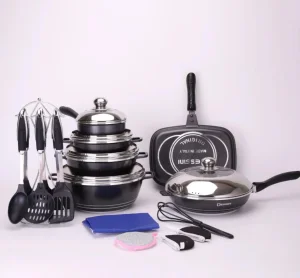
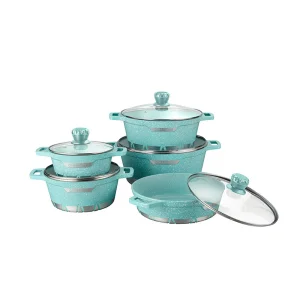
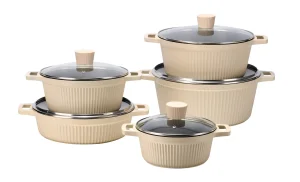
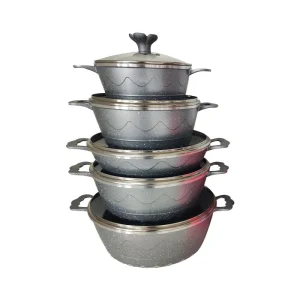
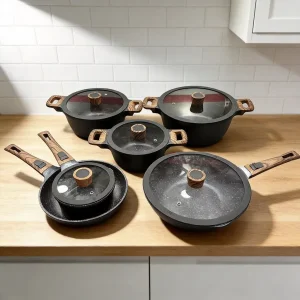
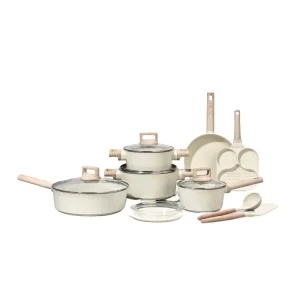
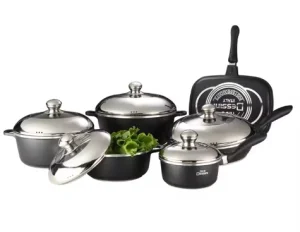
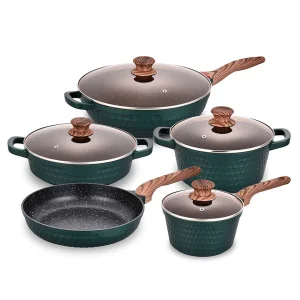
High-performance non-stick cookware designed for thermal precision, exceptional durability, and ergonomic safety.
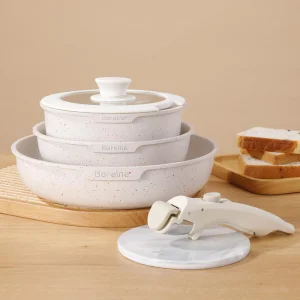
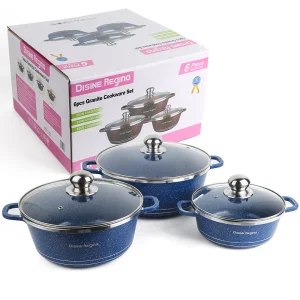
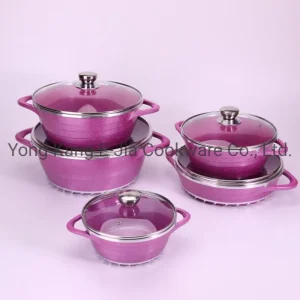
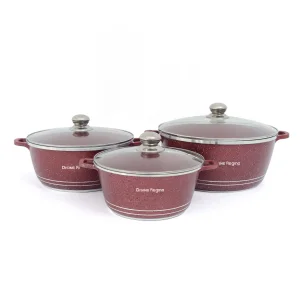
Understanding the transition from stamped metal sheets to high-pressure precision casting in global kitchenware manufacturing.
The global cookware market is experiencing a profound paradigm shift. Modern consumers and professional chefs alike demand vessels that offer maximum heat efficiency, non-deforming structural strength, and healthy, eco-friendly surfaces. Traditional pressed or spun aluminum cookware, while cost-efficient, struggles with long-term warping under induction cycles and uneven thermal mapping. This is where Die-Cast Aluminum Cookware Set Factories have revolutionized culinary hardware.
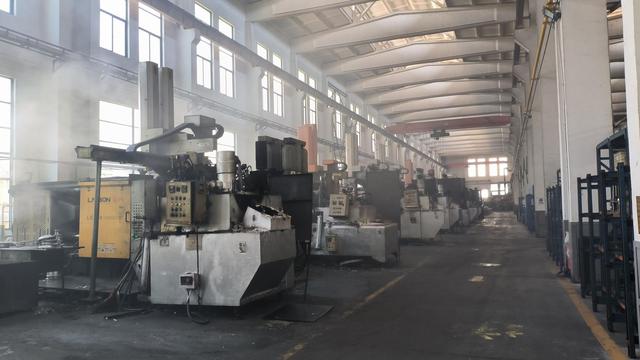
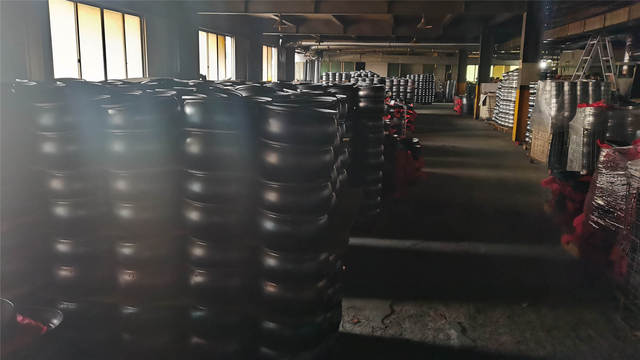
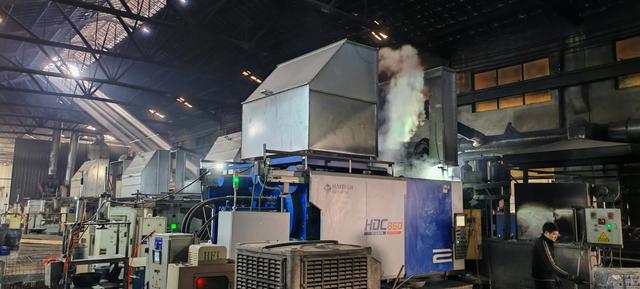
Unlike standard aluminum stampings, die-cast cookware is made by injecting molten aluminum alloy into high-precision, heavy steel molds under immense hydraulic pressure. This process allows engineers to design varying wall thicknesses—thick bases for heat retention, thinner side walls to reduce weight, and robust rim structures to prevent distortion. B2B buyers from North America, Europe, and the Middle East are increasingly sourcing die-cast lines because they offer the weight and cooking characteristics of cast iron but at a fraction of the weight, with infinitely better corrosion resistance and thermal response times.
Variable wall design guarantees heat travels from the induction-ready steel plate base up through the walls smoothly, preventing hot spots and reducing energy consumption.
Injection under 800+ tons of pressure eliminates microscopic air pockets, ensuring the vessel never warps, even when subjected to thermal shock.
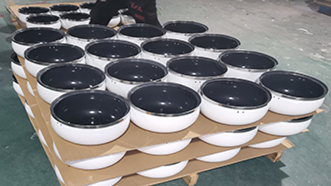
Advanced factories focus on PFAS-free, PFOA-free, and lead-free sol-gel ceramic and multi-layer granite coatings to align with shifting global consumer safety standards.
Deciphering raw material specs, coating adhesion parameters, and supply chain logistics for B2B procurement managers.
When sourcing from a die-cast aluminum cookware set factory, professional B2B buyers must evaluate more than just the cosmetic look of the pots and pans. High-volume procurement requires rigorous verification of technical parameters that dictate durability, retail performance, and regulatory compliance.
Industrial die-casting processes typically rely on ADC12, A380, or DIN226 grade aluminum alloys. These alloys provide the optimal viscosity when molten, ensuring complex mold cavities (such as integrated handles and geometric exterior ribbing) fill perfectly without voids. Reliable factories test their scrap-to-virgin metal ratios to guarantee no heavy metal migration occurs, preserving the food-safe characteristics of the finished product.
The lifespan of a non-stick pot lies entirely in its coating application. Sourcing agents demand multi-layer coating systems (primer, mid-coat, and top-coat reinforce) from tier-one chemical partners such as Greblon, Whitford, or ILAG. The dry film thickness (DFT) must be strictly monitored between 25 to 45 microns. Adhesion performance is verified using standard ASTM D3359 cross-hatch tape tests and intense abrasive scour cycles.
With induction stovetops gaining massive market share globally, a premium die-cast pot requires an integrated steel bottom plate. Leading factories apply high-pressure impact bonding or spray-metallization to fuse a 430-grade stainless steel magnetic plate to the cast aluminum base. This ensures rapid heating response rates and flat-profile compatibility with all electric, gas, and induction cooktops.
OEM projects often require custom industrial solutions like detachable bakelite handles for space-saving camping sets, or die-cast aluminum handles cast directly onto the pot body for oven-safe usage. Lids are paired with tempered glass and food-grade silicone rims to ensure tight thermal seals, trapping moisture and preserving nutrients during low-heat cooking cycles.
From standard stock items to bespoke OEM/ODM design engineering, discover how advanced factories support brand growth.
A true tier-one manufacturing partner offers holistic macro solutions that bridge the gap between product conceptualization and shelf-ready retail packaging. In the highly competitive housewares industry, differentiation is key. A modern die-cast aluminum cookware set factory must act as an R&D extension of its customers. Below is the technical roadmap for product development and customization:
Using SolidWorks or AutoCAD, engineers transform sketch concepts into digital molds, verifying fluid dynamics to ensure perfect molten aluminum flow during casting.
Choose between high-gloss ceramic, classic black marble, speckled granite, rough-textured cast iron feel, or customized Pantone solid colors for brand alignment.
Whether you require luxury color boxes with protective molded pulp inserts or compact, nested mail-order packaging for e-commerce, factories deliver certified ISTA-drop-test ready solutions.
Ensuring cross-border shipments seamlessly pass customs and meet strict regional public health standards.
In the global supply chain, compliance is non-negotiable. Importing kitchenware into strict markets like the European Union (EU) or the United States requires comprehensive documentation. Professional die-cast aluminum cookware set factories must maintain robust quality management systems certified by internationally recognized bodies.
Regulatory compliance checklist for B2B buyers include:
FDA (United States) and LFGB (Germany/Europe) are the gold standards for food-safe consumer goods. Cookware sets must undergo chemical testing where the interior non-stick lining is exposed to acidic, alcoholic, and fatty food stimulants to verify that lead, cadmium, and volatile organic compound (VOC) migration limits are completely within safe levels.
Global retailers (like Walmart, Target, and Carrefour) demand ethical sourcing practices. Sponsoring a factory requires verification of Business Social Compliance Initiative (BSCI) status, ISO 9001:2015 quality management compliance, and ISO 14001 environmental safety certifications.
With regulations phasing out "forever chemicals" (PFAS, PFOS, PFOA) across the United States (e.g., California AB 1200) and European REACH frameworks, sourcing from factories utilizing state-of-the-art water-based coatings or advanced ceramic sol-gel applications is critical to mitigating liability.
Top-tier exporters assist buyers with customs clearance, offering DDP (Delivered Duty Paid) options, arranging localized warehousing support, and providing English/German/French language instruction manuals to ensure rapid time-to-market.
A premier manufacturing hub for professional ceramic non-stick and die-cast aluminum cookware solutions.
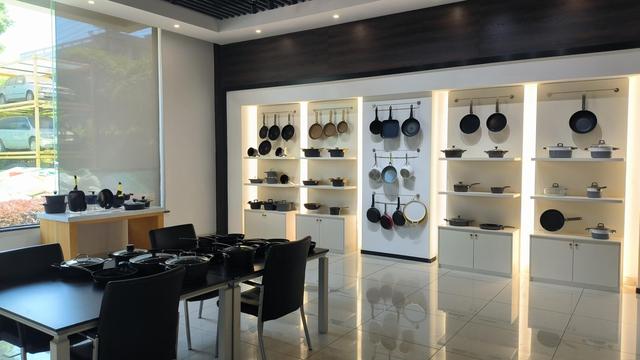
Foshan Eartha Cookware Co., Ltd. is a professional China ceramic cookware set manufacturer and nonstick kitchen cookware supplier, dedicated to providing high-quality, healthy, and innovative cookware solutions for customers worldwide. Located in Foshan, Guangdong, one of China's leading manufacturing hubs, Eartha Cookware integrates product design, research and development, manufacturing, and global sales to serve international markets.
Our extensive product range includes ceramic nonstick cookware sets, frying pans, saucepans, stock pots, casseroles, induction cookware, PFAS-free cookware, and multifunction kitchen cookware. Designed for modern kitchens, our products combine excellent heat distribution, superior nonstick performance, durability, and stylish aesthetics to enhance everyday cooking experiences.
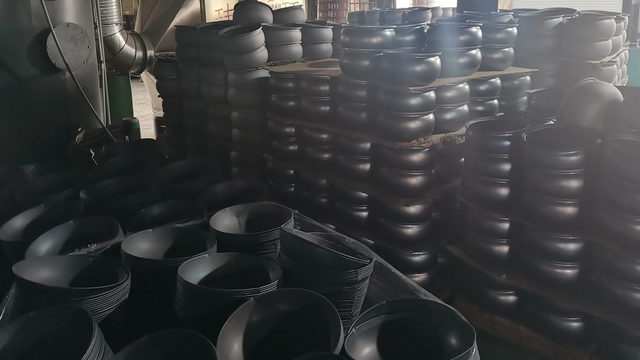
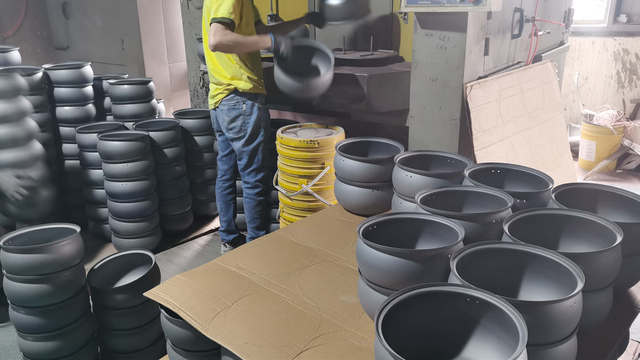
Equipped with advanced automated production lines and comprehensive testing facilities, Eartha Cookware strictly controls every stage of manufacturing, from raw material selection to final inspection. We are committed to producing environmentally friendly and food-safe cookware that meets international quality and safety standards. Our experienced quality control team ensures consistent product performance, reliability, and long service life.
To support global brand owners, wholesalers, distributors, retailers, and e-commerce businesses, we offer flexible OEM and ODM services. Our professional R&D team works closely with customers to develop customized cookware solutions, including product design, coating options, color matching, packaging, and private labeling.
Driven by innovation, craftsmanship, and customer satisfaction, Foshan Eartha Cookware Co., Ltd. continues to expand its presence in international markets. We are committed to becoming a trusted global partner by delivering premium ceramic cookware solutions that promote healthier, safer, and more enjoyable cooking experiences for consumers around the world.
The technological trajectory of die-cast cookware manufacturing through 2030.
By 2026, leading factories aim to transition to 100% certified post-consumer recycled aluminum, reducing the carbon footprint of manufacturing by up to 70%.
Integration of low-profile, passive RFID or bluetooth thermal trackers into professional pan handles to sync with smart cooktops for precision heat monitoring.
Developing molecularly enhanced coatings blending sub-micron diamond particles with sol-gel silica matrices for ultimate scratch resistance and natural release properties.
Technical answers to help buyers evaluate die-cast aluminum cookware sets, factory capabilities, and technical specs.
Die casting allows for varying thickness profiles. A factory can engineer a thick bottom (typically 4.5mm to 6.0mm) for optimal heat distribution and a thinner side wall (2.0mm to 3.0mm) to reduce user fatigue. Stamped or forged cookware has a uniform thickness throughout, which limits structural engineering possibilities and makes the pan prone to warping under extreme temperatures.
All safety certificates are issued by independent laboratories like SGS, TÜV Rheinland, or Intertek. Sourcing managers should ask for LFGB, FDA, and RoHS compliance certificates. These tests guarantee the coating contains 0% PFOA, PFAS, lead, and cadmium, and that zero chemical leaching occurs under continuous cooking temperatures up to 260°C (500°F).
For custom OEM/ODM solutions, the initial prototype modeling takes approximately 15-20 days, and mass production is typically completed in 35-45 days. The standard MOQ (Minimum Order Quantity) ranges from 1,000 to 2,000 sets per colorways, depending on handle configurations and tooling requirements.
Yes. By default, raw cast aluminum is non-magnetic. However, advanced factories bond a magnetic 430 stainless steel induction plate to the bottom of the pot during the final machining phase. This guarantees perfect heat transfer on induction cooktops while remaining compatible with traditional gas, electric, and ceramic ranges.
Premium manufacturers implement a multi-stage testing protocol: raw material chemical analysis (spectrometric test), coating thickness measurement (magnetic gauge), coating adhesion tests (cross-hatch dry/wet tape pull), heat resistance testing (up to 400°C), bottom flatness deviation test (under thermal load), and handle torque/strength testing.
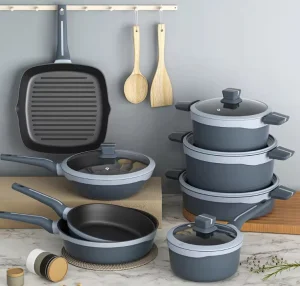
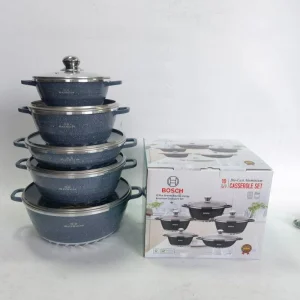
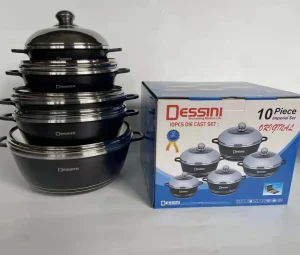
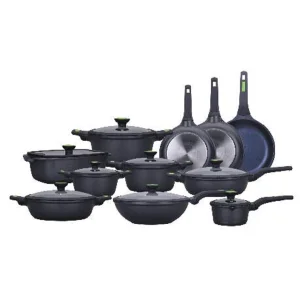
From space-saving detachable designs to marble-textured multi-piece home dining packages.
 Eartha Cookware