What is Ceramic Cookware Made of for Global Buyers?

Time:2026-06-27 Author:Isabella
0%

Ceramic cookware has gained immense popularity among global buyers. Many wonder, "what is ceramic cookware made of?" Understanding its composition is essential for making informed purchasing decisions. The materials used in ceramic cookware play a crucial role in its performance and safety.

Typically, ceramic cookware is made from natural clay. This clay is often combined with other materials to enhance durability. The finished product undergoes high-temperature firing, resulting in a hard, non-porous surface. Many products are coated with a non-stick layer, appealing to health-conscious consumers. However, not all ceramic cookware is created equal.

Some brands may cut corners, using harmful chemicals in coatings. Buyers should research manufacturers and look for certifications. It’s wise to check for potential risks tied to certain ceramic options. Quality varies significantly, so due diligence is essential. As you explore your choices, remain aware of both benefits and drawbacks. The right information empowers you to choose wisely.
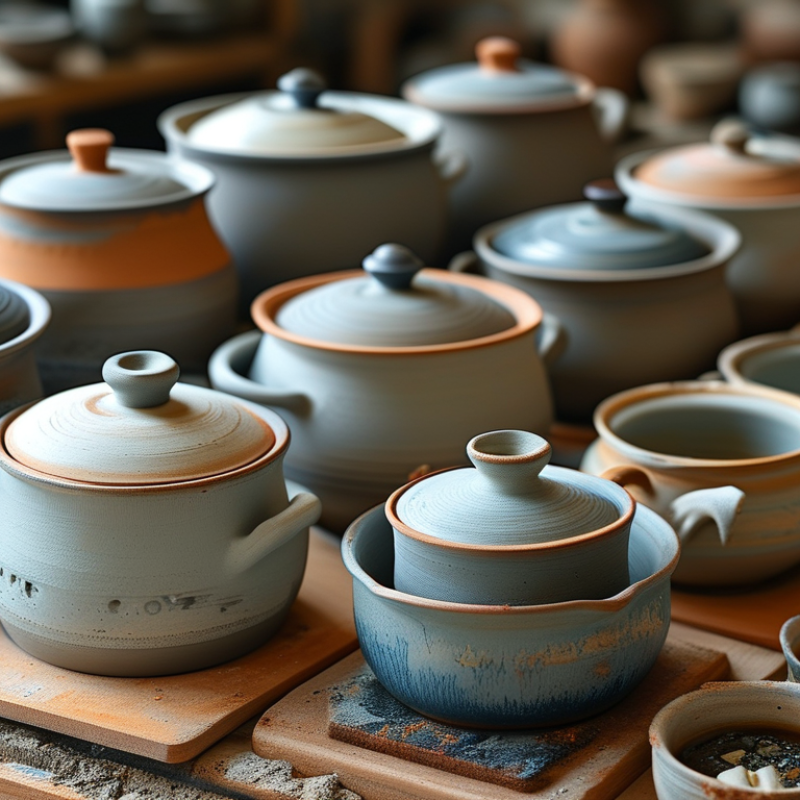
What is Ceramic Cookware Made of for Global Buyers?

Composition of Ceramic Cookware: An Overview

Ceramic cookware is popular for its aesthetic appeal and versatility. Understanding its composition is crucial for buyers. Typically, ceramic cookwares are made from clay, which is fired at high temperatures. This process creates a durable, non-reactive surface. According to a report by the American Ceramic Society, the firing temperature can exceed 1,200°C, enhancing the cookware's strength and heat retention properties.

The glaze applied to ceramic cookware is equally important. It is a glass-like coating that makes the surface non-stick and easier to clean. Many commercial glazes contain silica, feldspar, and other materials. A study by the International Journal of Culinary Science highlights that high-quality glazes can resist scratching and staining significantly better than lower-quality options. However, some glazes may contain lead or cadmium, which can raise concerns regarding food safety.

Buyers should be aware of the variety and quality of ceramic cookware available. Poorer quality options might not withstand thermal shock, leading to cracks or chips. It's essential to look for products with certifications ensuring they meet safety standards. Transparency in manufacturing processes is vital. Always verify the sources of the materials used in ceramic cookware to ensure ultimate cooking safety.

Natural Materials Used in Ceramic Cookware Production

Ceramic cookware is gaining popularity among global buyers for its natural appeal. The production of ceramic cookware primarily involves clay and quartz. These materials are sourced from the earth, creating a connection to nature. Clay is molded into desired shapes, while quartz adds strength and durability. This combination ensures that cookware can withstand high temperatures without deteriorating.

Natural minerals are also used in the glazing process. Feldspar and kaolin are common choices. The glaze not only adds color but also provides a non-stick surface. However, achieving the perfect balance can be challenging. Too much or too little glaze may affect the finish, leaving uneven surfaces. One key aspect is the firing process. Cookware must be heated at precise temperatures. This ensures the bonding of materials and the hardness of the final product. Yet, variations in temperature can lead to imperfections. These factors make owning ceramic cookware an experience, inviting users to appreciate the craftsmanship involved. While flaws may exist, they contribute to the uniqueness of each piece.

The Role of the Firing Process in Ceramic Cookware Durability

The firing process is crucial in determining the durability of ceramic cookware. During firing, clay and other materials are subjected to high temperatures. This transforms them into a hardened product. The intensity and duration of this process can significantly affect the final quality.

Proper firing enhances the strength of ceramic cookware. However, inconsistent temperatures can lead to weaknesses. Some pieces may crack or warp if not fired correctly. Each ceramic piece requires precise control. Variations in the firing process can result in varying durability.

Additionally, the choice of materials plays a role. High-quality clays can withstand more heat. They often lead to a stronger end product. But not all manufacturers prioritize this. Some might cut corners in material selection, affecting longevity. A well-firing process paired with quality materials ensures better performance in the kitchen.

What is Ceramic Cookware Made of for Global Buyers? - The Role of the Firing Process in Ceramic Cookware Durability

Material Properties Firing Temperature (°C) Durability Rating
Porcelain High strength, non-porous, smooth 1200-1400 High
Stoneware Durable, somewhat porous, retains heat 1100-1300 Medium to High
Earthenware Low porosity, decorative, less durable 900-1100 Low to Medium
Stoneware Durable, slightly porous, chemical stable 1100-1300 Medium to High
Specialty Ceramics Varied features, often enhanced with additives 1200-1500 Variable

Types of Coatings in Ceramic Cookware and Their Functions

Ceramic cookware has become a popular choice due to its non-stick properties and aesthetic appeal. The coatings used in ceramic cookware vary widely, influencing both functionality and safety. Some cookware features sol-gel coatings, which offer a durable surface ideal for high-heat cooking. These coatings are easy to clean and reduce food sticking. Yet, some users report wear over time, leading to questions about longevity.

Another common coating is water-based ceramic, often viewed as an eco-friendly option. This type uses natural materials and does not release harmful fumes when heated. However, it may scratch more easily compared to sol-gel options. Different manufacturers may have varying standards for these coatings, making it essential to research. User experiences often reflect a mix of satisfaction and frustration regarding durability.

The market also includes reinforced ceramic coatings designed to resist scratches and chips. Users appreciate these durable options for everyday cooking. However, some find these coatings less effective at distributing heat evenly. It raises questions about cooking performance versus coating resilience. Understanding these coatings' functions and limitations can help buyers make informed decisions.

Comparative Analysis: Ceramic Cookware vs. Other Cookware Materials

Ceramic cookware offers a unique alternative to traditional materials like stainless steel and cast iron. Made from natural clay and minerals, ceramic provides even heat distribution. This prevents hot spots, which can ruin a delicate dish. It’s lightweight, making it easy to handle. Many cooks appreciate its attractive appearance, too, often coming in vibrant colors.

Compared to stainless steel, ceramic is non-reactive. This means acidic foods won’t alter the flavor. However, ceramic is not as durable; it can chip or crack. Cast iron, while exceptionally robust, requires maintenance to prevent rust. In contrast, ceramic is often easier to clean and maintain, yet it demands careful handling.

Some users may find ceramic cookware doesn’t sear meats as well as stainless steel. This can lead to disappointment when trying to achieve those coveted brown edges. The longevity of ceramic varies significantly based on quality. Not all ceramic is created equal, and consumers must navigate these differences. Understanding these nuances helps buyers make informed decisions.

FAQS

: What materials are used in ceramic cookware?

: Ceramic cookware is primarily made from clay fired at high temperatures. This process creates a strong, durable surface.

What role does the glaze play in ceramic cookware?

The glaze is a glass-like coating that makes the cookware non-stick and easy to clean. It also enhances durability.

Are there safety concerns with ceramic cookware glazes?

Some glazes may contain lead or cadmium, raising food safety concerns. It’s important to verify the glaze's safety.

How do different coatings affect ceramic cookware?

Coatings like sol-gel and water-based ceramic vary in durability. Some coatings may scratch easily, impacting their lifespan.

What should buyers look for in ceramic cookware?

Look for products with safety certifications and transparency in material sourcing. Quality affects longevity and performance.

How does ceramic cookware compare to stainless steel?

Ceramic is non-reactive and provides even heat distribution but is less durable than stainless steel, which is prone to rust.

Can ceramic cookware sear meats effectively?

Some users find ceramic does not sear meats as well as stainless steel, leading to potential cooking frustrations.

What influences the durability of ceramic cookware?

The quality of materials and manufacturing processes greatly affects durability. Not all ceramic is created equal.

Conclusion

Ceramic cookware has gained popularity among global buyers due to its versatile and non-toxic properties. When considering what ceramic cookware is made of, it is crucial to understand its composition, which typically includes natural materials such as clay, quartz, and feldspar. These ingredients are combined and subjected to a firing process that significantly enhances the durability and heat resistance of the cookware.

Additionally, various coatings are applied to ceramic cookware to improve its non-stick capabilities and aesthetic appeal. These coatings serve different functions, such as increasing resistance to scratches and stains. A comparative analysis of ceramic cookware versus other materials, like metal and glass, highlights its advantages, including better heat distribution and lower environmental impact. Overall, ceramic cookware offers a strong combination of functionality and eco-friendliness for today's conscious consumers.

Isabella

Isabella

Isabella is a dedicated marketing professional with a sharp focus on driving brand growth and engagement through strategic content creation. With an extensive background in digital marketing, she combines her passion for storytelling with her keen understanding of industry trends to deliver......