When considering cookware options, one question frequently arises: how long does ceramic cookware last? Understanding the lifespan of ceramic cookware is crucial for both seasoned chefs and home cooks alike. These vibrant and versatile pots and pans not only add color to your kitchen but also offer excellent cooking performance. However, their durability can differ based on usage and maintenance routines.
Ceramic cookware, generally made from clay and non-toxic materials, is designed for longevity. Despite its appealing qualities, factors such as cooking methods and cleaning practices can influence how long it will last. For example, using metal utensils on these surfaces can lead to scratches and faster wear. Additionally, improper temperature regulation can damage the ceramic, causing it to crack or chip.
Investing in quality ceramic cookware is essential. Yet, it’s important to remember that even the best cookware has its limits. Regular assessments of surface integrity and proactive care can extend its life. Understanding how long ceramic cookware lasts helps in making informed purchasing decisions and ensures that your kitchen remains a source of joy and creativity.
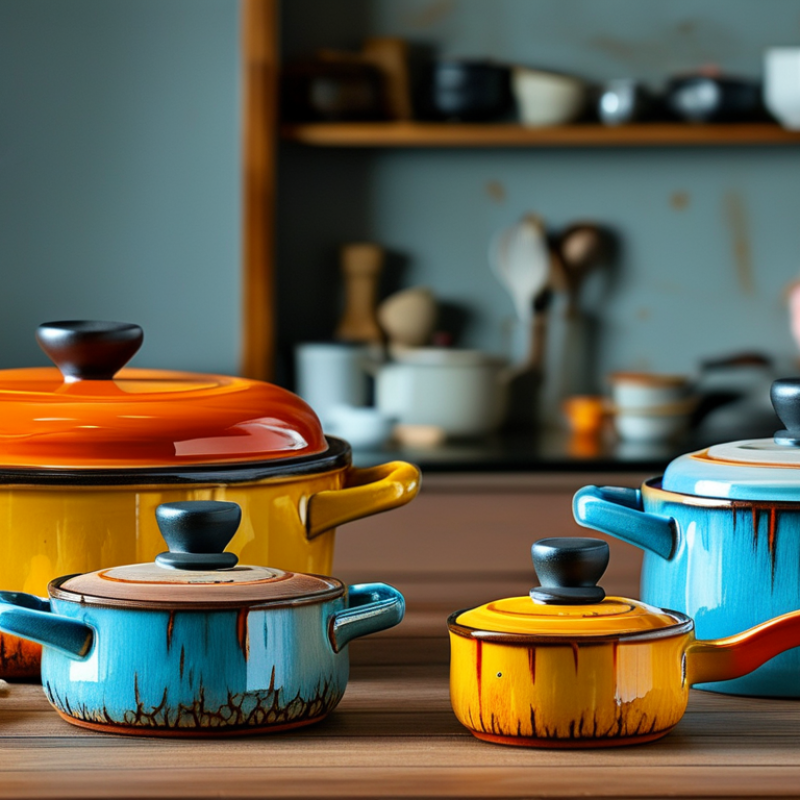
Understanding Ceramic Cookware: Characteristics and Benefits
Ceramic cookware is gaining popularity for its unique characteristics and benefits. It is often praised for its non-stick properties and eco-friendly materials. Users appreciate the seamless cooking experience, as food tends to slide off easily. Unlike traditional non-stick pans, ceramic does not release harmful chemicals when heated, making it a safer option for health-conscious individuals.
Another appealing feature of ceramic cookware is its aesthetic appeal. Many products come in vibrant colors and sleek designs. This adds a decorative touch to any kitchen. However, one must be cautious. If mishandled, ceramic cookware can chip or crack. It is crucial to avoid metal utensils that can damage its surface. Moreover, storing ceramic pots and pans carelessly can lead to unwanted scratches.
In terms of maintenance, ceramic cookware requires gentle care. Hand washing is often recommended. Some users find that the non-stick surface diminishes over time, which can be frustrating. This raises a question: How long will your ceramic cookware last? Regular use might wear it down faster than expected. Proper care could prolong its life, but it still requires conscious effort for long-lasting quality.
Factors Influencing the Longevity of Ceramic Cookware
The longevity of ceramic cookware largely hinges on several critical factors. First, the quality of materials used in manufacturing significantly impacts durability. Research shows that high-quality ceramic can last up to five years, while cheaper alternatives may wear out in as little as one year. The heat resistance of the ceramic and its coating determines how well it can withstand prolonged use.
Another influential factor is the cooking style employed. Frequent high-temperature cooking can weaken ceramic surfaces over time. Moreover, using metal utensils can scratch and damage the coating, leading to a reduced lifespan. According to a study by the American Cookware Association, improper care can decrease a ceramic pot's longevity by fifty percent. Regular cleaning with gentle sponges and avoiding abrasive materials can maintain the integrity of the coating.
Finally, the frequency of use plays a role. Daily usage can lead to a natural wear and tear. Observing signs of wear, such as chips or cracks, is essential. Ceramic cookware requires mindful handling to ensure it lasts longer. Balancing use and care can prolong its life, but not all cookware is indestructible. Being aware of these factors can aid buyers in making informed decisions.
Proper Care and Maintenance for Extended Lifespan
Ceramic cookware can be a valuable addition to your kitchen, but maintaining its lifespan requires proper care. To start, avoid using metal utensils, as they can scratch the surface. Opting for silicone, wood, or plastic tools will help preserve the non-stick quality of your ceramic pots and pans. Always let the cookware cool before washing it. Sudden temperature changes can cause cracks and chips, ultimately shortening its life.
Cleaning is essential for longevity. Handwashing is recommended, even if the cookware is labeled as dishwasher-safe. Use mild dish soap and a soft sponge to prevent damage. Stubborn stains may require a paste of baking soda and water. Regularly inspect your cookware for any signs of wear. Small chips can lead to larger issues, so replacing damaged pieces is wise. Regular care and cautious handling will ensure your ceramic cookware serves you well for years.
How Long Does Ceramic Cookware Last Best Guide for Buyers?
| Aspect |
Details |
| Lifespan |
5 to 10 years |
| Material |
Ceramic coating over aluminum or steel |
| Care Tips |
Avoid metal utensils, use mild detergents, hand wash recommended |
| Heat Tolerance |
Up to 500°F (260°C) |
| Scratch Resistance |
Moderate; avoid sharp objects |
| Weight |
Light to moderate, depending on the base material |
| Non-stick Quality |
Good, but may diminish over time |
Signs That Indicate it's Time to Replace Your Ceramic Cookware
Ceramic cookware is popular for its non-stick properties and aesthetic appeal. However, it doesn't last forever. Knowing when to replace it is crucial for safe cooking.
Common signs indicate it’s time to part with your ceramic cookware. If you notice scratches, cracks, or chips, it's a significant red flag. These imperfections can compromise the cookware's non-stick surface and lead to food contamination.
Furthermore, if your pots and pans no longer heat evenly, it's an indication that they have degraded. According to industry reports, ceramic cookware can typically last between five to ten years with proper care.
Tips for maintaining the lifespan of your ceramic cookware include:
- Using wooden or silicone utensils to avoid scratches.
- Regularly check for any imperfections after cleaning.
- Avoid sudden temperature changes, as they can lead to cracks.
A little mindfulness can help you enjoy your cookware longer while ensuring your meals are safe and delicious.
Comparing Ceramic Cookware with Other Types: Durability Insights
Ceramic cookware has gained popularity in recent years for its attractive design and non-toxic properties. When comparing its durability with other materials, it's essential to highlight some of its advantages and drawbacks. Unlike metal cookware, ceramic is less prone to scratches and retains its nonstick surface longer, provided it is handled properly. Proper maintenance, such as avoiding sudden temperature changes, can significantly extend its life.
However, while ceramic cookware is durable, it can chip or crack if dropped. This vulnerability to impact is a notable disadvantage when compared to stainless steel or cast iron. For example, cast iron cookware can last a lifetime if cared for, often developing a unique seasoning that enhances its cooking capabilities. Additionally, some traditional materials have better resistance to high heat, making them a preferred choice for specific cooking methods.
In the end, choosing the right cookware depends on individual cooking habits and preferences. Ceramic offers a wonderful experience for many home cooks, but it may not be the best option for everyone. Reflecting on personal cooking needs is crucial for finding the most suitable cookware.
Durability Comparison of Ceramic Cookware vs Other Types
FAQS
: High-quality ceramic cookware can last up to five years with proper care.
Frequent high-temperature cooking and using metal utensils can shorten its lifespan.
Look for scratches, cracks, or chips. These indicate it's time to replace the cookware.
Use gentle sponges to clean. Avoid abrasive materials to maintain the coating's integrity.
Yes, daily use leads to natural wear and tear. Mindful handling is essential for longevity.
Degradation, such as scratches or defects, can cause uneven heating.
Use wooden or silicone utensils to avoid scratches and preserve the non-stick surface.
Yes, sudden temperature changes can lead to cracks and damage.
Regularly check for imperfections. Early detection can help avoid safety risks when cooking.
No, not all cookware is indestructible. Care and mindful use are essential for better longevity.
Conclusion
Ceramic cookware is known for its non-stick surface and aesthetic appeal, making it a popular choice in kitchens. However, many buyers wonder, "how long does ceramic cookware last?" The longevity of ceramic cookware can vary based on several factors, including the quality of materials, usage frequency, and cooking techniques. Proper care and maintenance, such as using gentle utensils and avoiding high heat, can significantly extend its lifespan.
Signs that indicate it's time to replace ceramic cookware include visible wear and tear, such as cracks or peeling. When comparing ceramic cookware with other types, it's important to consider durability, as ceramic may not be as long-lasting as options like stainless steel or cast iron, yet offers unique benefits in terms of non-toxic cooking and ease of cleaning. Understanding these aspects can help buyers make informed decisions about their cookware purchases.

 Eartha Cookware