When it comes to cooking, many home chefs seek versatility in their kitchen tools. One common question arises: can ceramic cookware go in the oven? This topic has garnered attention as ceramic cookware has become more popular due to its aesthetic appeal and non-stick qualities. The answer isn't straightforward.
Ceramic cookware can be used in the oven, but certain conditions must be met. The quality of the ceramic is crucial. Not all ceramic is designed for high temperatures. Some might crack or chip when exposed to extreme heat. It’s important to check the manufacturer's guidelines before placing your ceramic dishes in the oven.
Another aspect to consider is temperature variations. Rapid temperature changes can cause thermal shock. This could lead to unexpected breakages. This is why careful handling and gradual temperature increases are recommended when using ceramic cookware, even if it is labeled oven-safe. Evaluating these factors ensures both safety and effectiveness in your cooking endeavors.
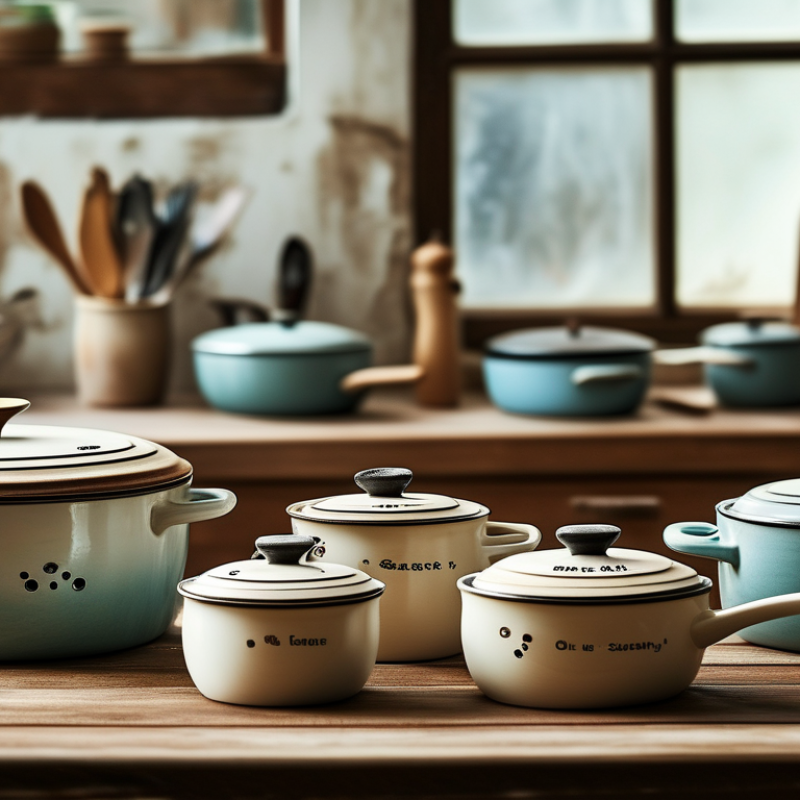
Safety Features of Ceramic Cookware for Oven Use
Ceramic cookware is known for its aesthetic appeal and non-stick properties. When considering oven use, it’s essential to check for certain safety features. Many ceramic pieces are designed to withstand high temperatures, typically up to 500°F. This makes them suitable for various oven-cooked dishes, from casseroles to baked goods.
However, not all ceramic cookware is created equal. Some may have glazing that contains harmful chemicals. It’s crucial to ensure that your cookware is labeled as oven-safe. Look for certifications that indicate compliance with safety standards. This attention to detail can prevent unpleasant surprises in the kitchen.
Additionally, the construction of ceramic cookware plays a significant role in its safety. Thicker materials tend to distribute heat more evenly, reducing the risk of cracking. If your ceramic dish has any chips or cracks, it’s best to avoid using it in the oven. A damaged piece may fail under heat, leading to potential hazards. Always assess your cookware’s condition before use for cooking success and safety.
Types of Ceramic Cookware Suitable for Oven Cooking
When considering oven-safe ceramic cookware, it's essential to know which types are suitable. Not all ceramic pieces are designed for high heat. Many ceramic items can crack or chip under extreme temperatures. According to industry research, fully ceramic cookware that is explicitly labeled as oven-safe can withstand temperatures up to 500°F.
Stoneware and porcelain are popular choices for oven use. These materials are known for their durability and ability to distribute heat evenly. However, items with metallic glazes or decorations might not be suitable for the oven due to the risk of melting or reacting. Always check the manufacturer's guidelines before use.
Tips for safe oven cooking: Always preheat the oven to prevent sudden thermal shocks. Avoid drastic temperature changes, as this can cause cracking. Use silicone or wood utensils to prevent scratching or damaging the ceramic surface, which is crucial for maintaining its integrity. This way, you can enhance the longevity of your ceramic cookware while enjoying its benefits in the oven.
Temperature Limits for Ceramic Cookware in the Oven
Ceramic cookware has become increasingly popular in modern kitchens. However, many people are unsure about its limits in the oven. It’s crucial to know the temperature tolerances to ensure safe and effective cooking. Most ceramic cookware is designed to withstand temperatures up to 450°F (232°C). Exceeding this limit could lead to potential cracks or damage.
Not all ceramic cookware is created equal. Some pieces may have lower temperature thresholds due to their design or materials used. It's essential to consult the manufacturer's guidelines when using ceramic in the oven. Failure to do so can result in negative cooking experiences. Many users overlook obvious signs of wear, which could affect performance. Keep an eye out for tiny chips or discoloration that signal the need for replacement.
Understanding how to properly use ceramic cookware in the oven can enhance your cooking experience. Remember to avoid sudden temperature changes, as this can shock the material. Gradual heating and cooling can preserve the integrity of your cookware. Always prioritize safety and prepare dishes thoughtfully to achieve the best results.
Care and Maintenance Tips for Oven-Safe Ceramic Cookware
When using ceramic cookware in the oven, proper care and maintenance are crucial. Start by checking if your cookware is labeled oven-safe. Not all ceramics can withstand high temperatures. Look for specific temperature guidelines from the manufacturer. This ensures that your cookware will perform well without cracking or warping.
Keep ceramic pieces clean by handwashing them with mild soap and a soft sponge. Avoid using metal utensils, as they can scratch the surface. If your cookware is coated, be gentle to preserve its finish. Although ceramic is durable, it can chip. Store your cookware carefully to prevent collisions with other kitchen items.
Monitor the heat when using ceramic in the oven. Preheating is not always necessary, but sudden temperature changes can be risky. Gradually increase the temperature to avoid shocks. If unsure, err on the side of caution. Some ceramics may discolor or weaken over time, calling for extra attention. Regularly inspect for cracks or imperfections. This ongoing vigilance can help prolong the lifespan of your ceramic cookware.
Common Myths About Using Ceramic Cookware in the Oven
When it comes to using ceramic cookware in the oven, many myths circulate. One common belief is that all ceramic cookware can withstand high temperatures without damage. However, this isn't always true. Some ceramic pieces have specific temperature limits. Exceeding these limits can cause cracks or warping.
Another misconception is that ceramic is nonstick at high temperatures. While ceramic surfaces may seem nonstick, they can lose this quality over time. Factors like temperature and wear play a big role. Proper care is crucial for maintaining nonstick properties.
People often think ceramic is too fragile for oven use, but this isn't universally valid. High-quality ceramic can handle oven conditions well. Still, caution is wise. Always check manufacturer guidelines and avoid sudden temperature changes. Understanding these nuances can lead to a better cooking experience.
FAQS
: Ensure it is labeled as oven-safe and check for safety certifications.
No, some have specific temperature limits, so exceeding them can cause damage.
Handwash with mild soap and a soft sponge to avoid scratching.
Avoid using damaged pieces in the oven to prevent hazards.
Not always, but avoid sudden temperature changes.
They may lose nonstick qualities over time due to wear and heat.
Regularly inspect for cracks and handle pieces gently during use.
No, it can handle oven conditions well if used with caution.
Many believe all ceramic cookware is nonstick and safe at any temperature.
No, metal utensils can scratch the surface, risking damage.
Conclusion
The article "Can Ceramic Cookware Go in the Oven Safely and Effectively?" explores the safety features of ceramic cookware, detailing how it can be safely used in an oven under certain conditions. It outlines the types of ceramic cookware that are specifically designed for oven use, emphasizing the importance of checking for labels indicating oven safety. Furthermore, it discusses the temperature limits for ceramics, advising users on how high temperatures can affect their cookware and what precautions to take.
Additionally, the article addresses essential care and maintenance tips for preserving the integrity of oven-safe ceramic cookware, ensuring their longevity and performance. Common myths about using ceramic cookware in the oven are debunked, providing clarity for consumers. In summary, the article affirms that yes, ceramic cookware can go in the oven, but with careful attention to safety guidelines and proper usage.

 Eartha Cookware