As the popularity of ceramic cookware continues to rise in China, many home cooks wonder, “is ceramic cookware safe for everyday cooking?” Industry experts like Dr. Lisa Chen emphasize the importance of understanding the materials used in cookware. She states, “Quality is key when selecting ceramic cookware for health and safety.”
Research shows that ceramic cookware is often free of harmful substances like PFOA and PTFE. A report from the China Household Electrical Appliances Association indicates that 75% of households now use ceramic non-stick options. However, concerns remain regarding glaze safety. Some ceramic items may include lead or cadmium, raising questions about their long-term effects on health.
While ceramic cookware offers numerous benefits, not all products are created equal. Consumers must be vigilant about the brands they choose. Investigations have revealed that some cheaper options do not meet safety standards. Thus, discerning the quality of ceramic cookware is crucial for everyday cooking safety. Being informed helps ensure a healthy cooking environment.
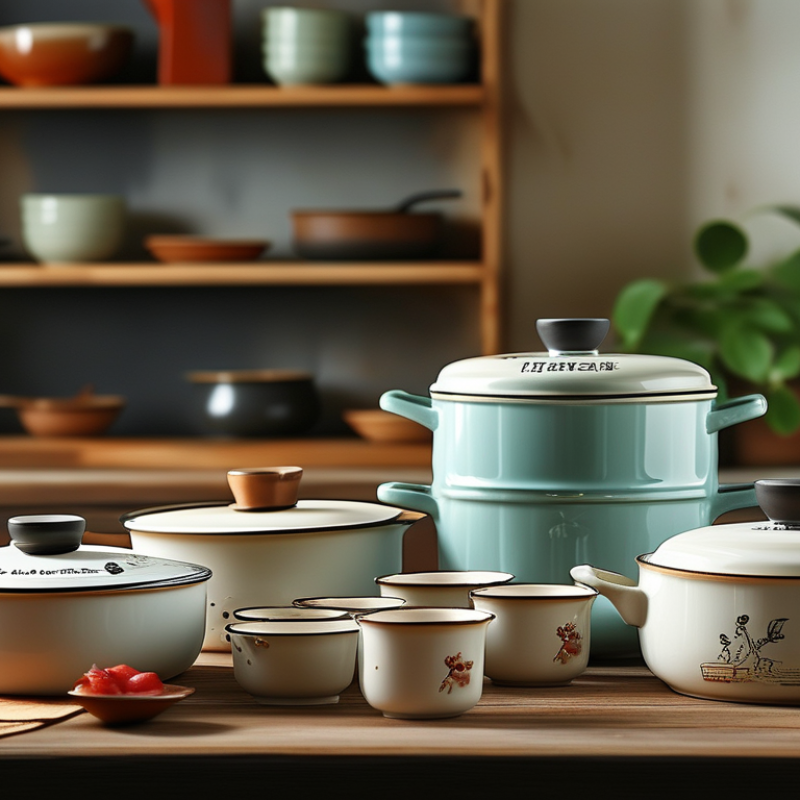
Ceramic cookware has seen a notable rise in popularity across China. Consumers are increasingly drawn to its aesthetic appeal and perceived health benefits. According to a recent report by the China Cookware Association, the market for ceramic cookware has grown by over 30% in the past two years. This surge reflects a broader trend towards healthier cooking methods among urban households.
Many consumers believe ceramic cookware is free from harmful chemicals. Studies suggest that certain ceramic coatings can withstand high temperatures without leaching toxins. However, not all ceramic cookware is created equal. Some lower-quality products may still contain harmful materials. Therefore, it is crucial for buyers to review product certifications carefully. Transparency is key in this market.
While ceramic cookware offers various advantages, it does come with potential drawbacks. Durability can be a concern, as these items may chip or crack if misused. The longevity of ceramic cookware often depends on proper care. Regular maintenance and adherence to temperature guidelines can mitigate risks. Nonetheless, many users have reported mixed experiences, highlighting the importance of informed choices when selecting cookware for daily meals.
Ceramic cookware has grown in popularity in China, but what makes it safe for daily use? Understanding its composition and production standards is crucial. High-quality ceramic cookware often contains natural minerals like clay, quartz, and feldspar. Manufacturers typically fire these materials at high temperatures to create a durable cooking surface. This process can minimize harmful substances, promoting safety in food preparation.
However, not all ceramic cookware is created equal. Some items may contain additives or glazes that can leach into food. Always check for certifications and safety labels. Look for standards such as ISO or FDA approvals, indicating that the cookware meets safety regulations.
Tips: When choosing ceramic cookware, inspect the surface for cracks or imperfections. Avoid using metal utensils, which can scratch the surface. Clean ceramics carefully using soft sponges to maintain their integrity. A little extra care can extend the life of your cookware significantly.
Ceramic cookware has gained popularity in kitchens across China. Many people appreciate its aesthetic appeal and non-stick properties. However, safety concerns arise regarding its composition and usage. Some ceramics may contain harmful substances like lead or cadmium. Over time, these materials can leach into food.
When choosing ceramic cookware, it’s important to check for safety certifications. Always select certified products that explicitly state they are lead-free. High-quality ceramic materials are less likely to contain harmful components. Additionally, inspect cookware for any visible defects. Cracks or chips can compromise safety.
Tips: Avoid using metal utensils that can scratch the surface. Stick to silicone or wooden tools instead. Ensure proper maintenance by washing with mild soap and soft sponges. Avoid using extreme temperature changes, as this can crack the ceramic.
People often overlook the need for proper care. Regular inspections can help prevent potential hazards. Cookware that is maintained well not only lasts longer but also keeps your food safe. While ceramic cookware can be a beautiful addition to your kitchen, being vigilant is crucial for your health.
This bar chart illustrates the health and safety concerns associated with ceramic cookware usage in everyday cooking in China. The dimensions measured include durability, non-toxicity, even heat distribution, scratch resistance, and maintenance, reflecting consumer perceptions on key aspects of safety and usability.
Ceramic cookware is gaining popularity in China for everyday cooking. It offers a non-stick surface, which is appealing to many home cooks. However, how does it compare to other types of cookware? This is crucial to understand.
When compared to stainless steel, ceramic tends to have less thermal conductivity. This means it may not heat evenly, which can affect cooking. Stainless steel is often preferred for its durability and heat retention. Cast iron, on the other hand, is excellent for heat distribution but can be heavy and requires maintenance. Each type has its advantages and limitations, and they suit different cooking styles.
Tips: When using ceramic cookware, avoid high heat. This can damage the surface and reduce its non-stick properties. Use utensils made of wood or silicone to prevent scratches. Consider your cooking habits when making a choice. If you enjoy quick stovetop sautéing, a different material may serve you better. Evaluate your kitchen needs before settling on a type.
Ceramic cookware has become popular in many kitchens, including those in China. To keep ceramic pots and pans in good condition, proper maintenance is crucial. Washing them gently is vital. Use a soft sponge with mild soap. Avoid abrasive cleaners, as they can scratch the surface, affecting their performance.
Storage is another important aspect. Stack ceramic cookware with care. Use cloth or paper towels between pieces to prevent chipping. When cooking, stick to medium heat. High temperatures can damage the ceramic coating over time. If you notice any chips or cracks, consider replacing the item. Using damaged cookware may release particles into food.
Regular checks are necessary. Inspect your ceramic items often for wear and tear. It's easy to overlook signs of damage. A small chip can grow larger if ignored. Be mindful of how you use and care for these products. This thoughtful approach ensures that your ceramic cookware remains safe and functional for many meals.
: Ceramic cookware often contains natural minerals like clay, quartz, and feldspar.
Manufacturers fire materials at high temperatures, minimizing harmful substances and promoting safety.
Look for safety certifications and inspect for cracks or imperfections on the surface.
Yes, some ceramics may contain harmful components like lead or cadmium that can leach over time.
Use silicone or wooden tools to prevent scratching the surface; avoid metal utensils.
Clean with mild soap and soft sponges, and avoid extreme temperature changes.
No, using high heat can damage the surface and reduce non-stick properties.
Ceramic has less thermal conductivity than stainless steel and affects even heating.
Proper care ensures longevity and safety, preventing potential hazards from cracks or chips.
Evaluate your cooking style and habits to find the best material for your kitchen needs.
Ceramic cookware has gained significant popularity in China due to its appealing aesthetics and non-toxic nature. However, many consumers are concerned about the potential health and safety issues associated with its usage. To determine if ceramic cookware is safe for everyday cooking, it's essential to examine its composition and production standards, which vary widely. Studies indicate that while high-quality ceramic cookware can be safe and free from harmful chemicals, lower-quality options may pose risks.
When comparing ceramic cookware with other types such as stainless steel or non-stick alternatives, ceramic often scores well in terms of health safety, provided it is made from safe materials. To maximize the lifespan and safety of ceramic cookware, best practices for maintenance include using gentle utensils and avoiding high flame settings. In conclusion, while there are valid concerns, high-quality ceramic cookware can be a safe option for everyday cooking if proper care is taken.

Eartha Cookware