Choosing ceramic cookware can significantly impact your health. Noted cooking expert Dr. Emily Thompson emphasizes, "Ceramic cookware promotes healthier cooking by reducing harmful chemicals." This insight raises the question, "what are the benefits of ceramic cookware?"
Ceramic cookware is non-toxic and free from harmful substances like PFOA and PTFE. This means safer cooking for you and your family. Unlike traditional metal cookware, ceramic options do not leach materials into your food. You can enjoy peace of mind knowing your meals are free from contaminants.
However, it’s essential to consider quality. Not all ceramic cookware is created equal. Some can chip or crack under high heat. This can lead to potential health risks, making quality essential when selecting ceramic options. Remember to look for trusted brands and read reviews to avoid subpar products. Ultimately, prioritizing health with ceramic cookware requires thoughtful choices and informed decisions.
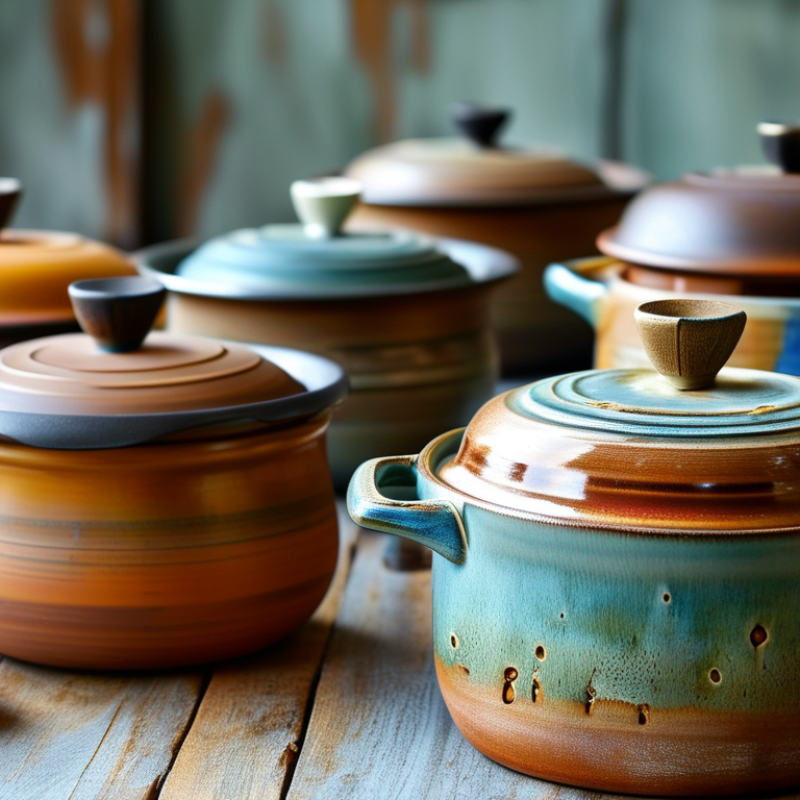
Ceramic cookware has gained popularity due to its potential health benefits. Unlike traditional nonstick options, ceramic surfaces are often free from harmful chemicals like PFOA and PTFE. This makes cooking healthier, especially for families. The natural composition of ceramic allows for even heat distribution, reducing the risk of hot spots that can lead to burnt food. This cooking method can help retain more nutrients in your meals, making them wholesome and nourishing.
Another advantage of ceramic cookware is its resistance to scratching. With proper care, these pots and pans can last a long time. Many users report enhanced flavor in their dishes. However, some individuals experience challenges in cleaning ceramic surfaces. Over time, stains can build up if not maintained properly. It's crucial to use non-abrasive cleaners to avoid damaging the surface.
Remember, not all ceramic cookware is created equal. It's important to research materials and production methods. Some ceramics may not be as durable or safe as others. Investing in high-quality cookware might take more time, but it often leads to better health outcomes. Prioritizing your cooking tools is essential for a healthier lifestyle.
When choosing ceramic cookware, several key features contribute to both health benefits and cooking performance. First, look for cookware that is free from harmful chemicals, such as PFOA and PTFE. These substances can leach into food, impacting your health over time. High-quality ceramic cookware often uses a natural coating, enhancing safety during cooking.
Another important aspect is durability. Quality ceramic cookware is resistant to chipping and scratching. You want pieces that will withstand daily use without compromising their integrity. Heavy-duty construction usually indicates a longer lifespan.
Temperature resistance is equally vital. Top-notch ceramic cookware can handle high heat, making it suitable for various cooking methods. However, be cautious about sudden temperature changes. Rapid shifts can cause cracks. While many ceramic options are dishwasher-safe, hand washing is often gentler and preserves the coating better. Keep these features in mind as you select the right ceramic cookware for healthier cooking.
When comparing ceramic cookware to other material options, health benefits emerge as a significant factor. Ceramic cookware is often praised for its non-toxic properties. Unlike some non-stick alternatives, ceramic is generally free from harmful chemicals. Metal and plastic cookware can leach into food, which is a concern for health-conscious cooks. By choosing ceramic, you reduce the risk of these unwanted substances.
However, it is important to consider potential downsides. Ceramic can chip or scratch more easily than metal cookware. This damage can compromise its non-stick qualities over time. Moreover, while ceramic can be oven-safe, rapid temperature changes can lead to cracking. It may require more careful handling compared to stainless steel or cast iron. Thus, while choosing ceramic, be vigilant about maintenance and care.
In terms of cooking performance, ceramic heats evenly but might not conduct heat as effectively as some metals. Some may find that it doesn't sear meats as well. Each material has its pros and cons, making the choice highly personal. Understanding these differences can help you make a more informed decision tailored to your cooking habits and health priorities.
Taking proper care of ceramic cookware is essential for maintaining its health benefits and longevity. Regular cleaning is crucial. Use a soft sponge and mild detergent to remove food residues without scratching the surface. Avoid abrasive cleaners that can damage the ceramic finish. Rinse thoroughly and dry with a soft cloth to prevent water spots.
Storing ceramic cookware also requires attention. Stack your pots and pans with care. Use cloth or paper towels between pieces to prevent scratches. Ensure that lids are placed separately to avoid pressure on the handles. Heat integrity is vital, so avoid sudden temperature changes when cooking. This practice helps prevent cracking, preserving the cookware's functionality and safety.
Despite best efforts, wear may still occur over time. Some users notice chips or discoloration. It’s essential to evaluate the condition regularly. A chipped surface can harbor bacteria, affecting food safety. When in doubt, consider replacing worn items to ensure healthy cooking options. Your choice in cookware matters. Prioritizing knowledge and maintenance leads to better health outcomes in the kitchen.
When considering ceramic cookware, safety should be a top priority. Many people believe ceramic is a healthier alternative. However, it is essential to be aware of the potential risks involved. Some ceramic coatings may contain harmful chemicals. These substances can leach into food, especially when cookware is overheated. It's crucial to check the specifications before deciding.
Another aspect to consider is the durability of ceramic cookware. While it may look appealing, it can be prone to chipping and cracking. If the surface is damaged, safety concerns arise. Tiny particles could mix with your food. Additionally, not all ceramic cookware is created equal. Some products may have a better safety profile than others. Researching manufacturers and their practices is advisable.
Incorporating ceramic into your kitchen can be beneficial, but caution is key. Look for high-quality products that prioritize food safety. Balance your desire for style with concerns about potential health risks. Ultimately, staying informed empowers you to make the best decisions for your culinary needs.
: Ceramic cookware is often free from harmful chemicals like PFOA and PTFE, making cooking healthier.
Ceramic surfaces allow for even heat distribution, helping retain more nutrients in meals.
With proper care, ceramic cookware can last a long time, but it may scratch more easily than metal options.
Stains can build up over time if not maintained properly, so non-abrasive cleaners are essential.
Yes, ceramic can chip or scratch, which may affect its non-stick qualities over time.
Ceramic is non-toxic and less likely to leach harmful substances into food, unlike some metal or plastic cookware.
No, some ceramics may be less durable or safe, so it’s vital to research materials and production methods.
Rapid temperature changes can cause ceramic to crack, so it needs careful handling compared to other materials.
Some users find that ceramic doesn’t sear meats as well as certain metals, so consider your cooking style.
Investing time in quality cookware may lead to better health outcomes and enhanced cooking experiences.
Ceramic cookware has gained popularity due to its numerous health benefits, making it a popular choice in kitchens. Understanding what are the benefits of ceramic cookware includes aspects such as non-toxicity, resistance to scratching, and even heat distribution, which can contribute to healthier cooking practices by reducing the need for excess oils and fats. In selecting high-quality ceramic cookware, it's important to look for key features such as durability, a non-stick surface, and easy cleanup capabilities.
When comparing ceramic cookware with other materials, it stands out for its ability to maintain food’s nutritional quality without releasing harmful chemicals. Proper care and maintenance are essential for ensuring the longevity of ceramic cookware, involving gentle cleaning practices and avoiding high heat settings. Additionally, while ceramic cookware is generally safe, potential risks such as chipping should be considered, highlighting the importance of proper usage to maximize health benefits while cooking.

Eartha Cookware