How to Choose Cookware for Even Heat Distribution

Time:2026-11-14 Author:Isabella
0%

Choosing cookware for even heat distribution starts with what happens beneath the food. A thin pan may develop a bright, hot ring over the burner while its center stays cooler. Onions brown at the edges; the middle remains pale. A thicker base can soften those temperature swings, though it may take longer to heat. Materials matter, too: aluminum and copper conduct heat efficiently, while stainless steel often relies on a conductive core or layered base. Construction, thickness, pan size, and burner fit all play a role. No single material guarantees perfect results.

Ask this directly: why is cookware heat distribution important? More even heating can reduce scorching, support consistent browning, and make cooking easier to control. It is especially noticeable when searing fish, simmering a sauce, or making pancakes across a wide surface. Still, cookware is only part of the picture. A warped base, an oversized pan, or a flame extending beyond the bottom can create uneven results. Labels and marketing claims do not tell the whole story. Check the base, handle the pan if possible, and consider your stove before buying. A useful guide should explain trade-offs, not promise flawless cooking. Even a good pan has limits.
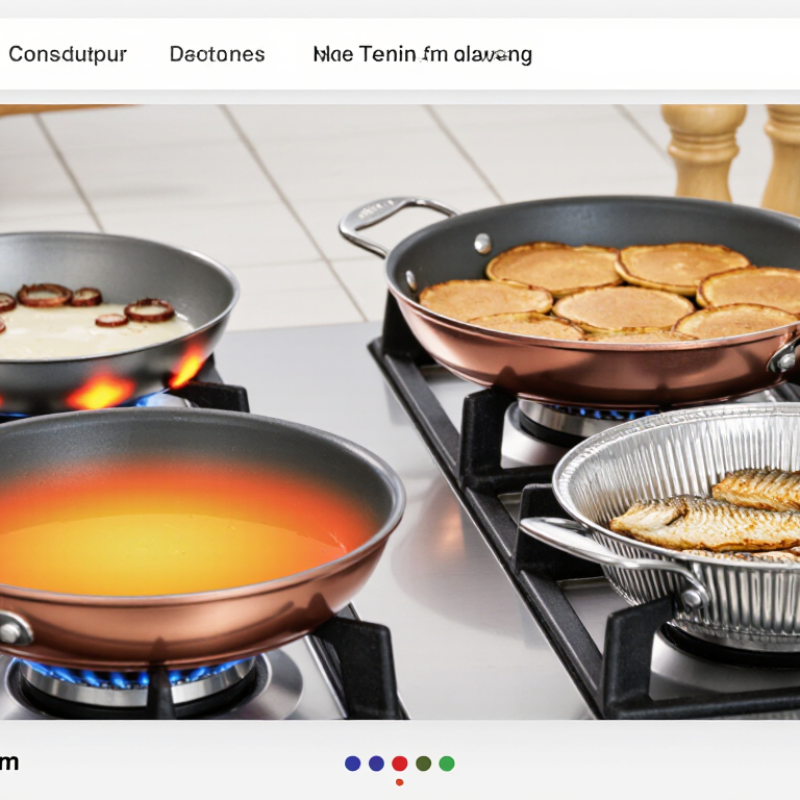
How to Choose Cookware for Even Heat Distribution

Understand How Cookware Distributes Heat

How to Choose Cookware for Even Heat Distribution

Understand How Cookware Distributes Heat

Heat moves from a burner into a pan’s base, then spreads toward its edges. A highly conductive metal spreads that energy faster, but thickness and construction matter too. Engineering ToolBox’s metal-conductivity reference table gives representative room-temperature values of about 401 W/m·K for copper, 237 for aluminum, 55 for cast iron, and 16 for stainless steel. These figures vary by alloy and temperature. Copper and aluminum can spread heat quickly; a thin base can still develop hot spots over a small flame.

The pan’s shape also affects cooking. A flat, heavy base makes steady contact with the burner, while a base wider than the heat source may leave cooler edges. Multi-layer cookware combines metals: a conductive core can spread heat, while a stainless cooking surface offers a different set of practical qualities. Not so simple. Food, burner size, and preheating all change the result, so material numbers alone cannot predict performance.

Tips: Match the pan’s base to the burner, and preheat it gradually. For a quick check, warm a thin film of oil and watch for faster movement in one spot. That pattern can reveal uneven heating, though it is not a precise test. I’d still compare pans in the cooking conditions I use most.

Compare Materials for Thermal Conductivity and Retention

Cookware materials differ in how quickly they move heat and how much warmth they hold. ASM material-property tables place copper near 390 W/m·K and aluminum around 200–235 W/m·K, while many stainless steels are far lower. These figures vary by alloy and temperature. Copper and aluminum respond quickly when a burner changes, helping reduce hot spots; stainless steel alone usually spreads heat less evenly. A bonded pan with an aluminum or copper core can combine a durable cooking surface with better heat movement.

Retention is different from conductivity. Cast iron heats slowly but stores substantial heat, which helps keep a sear steady when cold food hits the pan. It also takes longer to cool. Copper reacts faster, but its temperature can shift quickly when the flame changes. In practice, a thick base and a flat fit on the burner matter too. Even a highly conductive pan can heat unevenly over a small flame or warped surface. Material labels do not tell the whole story.

Tip: Match the pan to the task. Choose a copper- or aluminum-core pan for responsive sauces, and heavier cast iron for sustained browning. Check the base thickness and construction, not just the outer material. Use moderate heat while learning a new pan; I still find that recipe timing alone can mislead, especially on unfamiliar burners. Materials data describe heat flow, not exact cooking results.

Assess Pan Thickness, Construction, and Base Design

Pan thickness influences how steadily cookware handles heat. A very thin pan heats quickly, but hot spots can form above a strong burner. A thicker base usually buffers temperature swings. It may also take longer to warm. That trade-off matters when searing food or gently cooking eggs.

Construction matters as much as thickness. In a clad pan, layers of stainless steel surround a conductive core, often aluminum or copper. The core helps spread heat across the cooking surface, while the steel provides a durable food-contact layer. Cast iron holds heat well, but responds more slowly when the burner setting changes. There is no single ideal construction for every stove or cooking style.

Check the base, too. A broad, flat base makes consistent contact with an electric or induction surface; on gas, it helps distribute flame contact across the pan. Choose a base that sits level and roughly matches the burner’s heating area. A small burner under a very wide pan may leave the edges cooler. In practice, the difference can be subtle. Watch how oil warms across the surface, and adjust the burner rather than assuming thicker always means better. A slight mismatch is easy to overlook.

How to Choose Cookware for Even Heat Distribution

Assess pan thickness, construction, and base design alongside the thermal conductivity of the material.

Approximate thermal conductivity at room temperature, in watts per meter-kelvin (W/m·K). Higher conductivity helps heat travel through a material, but does not alone determine how evenly a pan cooks. Pan thickness, a continuous conductive core, and a flat, well-coupled base also affect heat distribution. Values vary by alloy and product.

Match Cookware to Your Cooktop and Cooking Needs

Choose cookware for the cooktop you actually use, not an idealized kitchen. On induction, the base must be magnetic and sit flat; a quick magnet test can help. Gas flames should stay beneath the pan rather than licking up its sides. On glass or electric cooktops, a smooth, level base makes steady contact and is less likely to wobble. Fit matters. A small pan on a wide burner may heat unevenly, while an oversized one can leave the center cooler. I learned this the annoying way: my favorite skillet browned onions at the edges but left the middle pale.

Then match the pan to your usual meals. A thick, heavy base can hold heat well for searing, but it takes longer to warm and can feel awkward to lift. A lighter pan responds faster when you lower the flame for eggs or a quick sauce. Stainless steel with a layered base can suit frequent stovetop cooking; cast iron works well when you want heat retention and do not mind the weight. For delicate foods, use moderate heat and avoid preheating an empty nonstick pan for long. Your routine counts. If you often cook one portion, a smaller pan may be more useful than a versatile-looking set. No choice is perfect; check how the pan sits, heats, and feels in your own kitchen.

Check Product Specifications and Signs of Uneven Heating

Product specifications can hint at how evenly a pan will heat. Check what the body is made from and whether its layers extend across the sides or only beneath the base. Aluminum and copper conduct heat well; stainless steel is durable but usually heats less evenly on its own. A bonded conductive core can help distribute warmth across the cooking surface. Details matter. Look for base thickness when it is listed, but treat vague claims like “heavy duty” cautiously. Thickness alone does not guarantee even heating, and a specification sheet cannot show every difference in everyday use.

Watch for practical signs, too. On low to medium heat, a thin film of oil should warm without one small area smoking much sooner than the rest. Pancakes that brown sharply in the center while staying pale at the edges may point to a hot spot. That is not proof by itself; burner size, flame strength, and food placement also matter. A base that rocks on a flat countertop may make contact less consistent. It is easy to overread one test, honestly. Compare cookware on a similar burner and note whether its base stays flat as it warms.

FAQS

How does heat travel through cookware?

Heat moves from the burner into the pan’s base, then spreads toward the edges. Copper and aluminum usually spread it faster.

Which materials conduct heat quickly?

Copper conducts heat at roughly 390–401 W/m·K. Aluminum is around 200–237 W/m·K. Values vary by alloy and temperature.

Does fast heat conduction guarantee even cooking?

No. A thin base can still develop hot spots, especially over a small flame. Pan shape matters too.

Why does a thick, flat base help?

It makes steadier contact with the burner and can spread heat more evenly. A warped base may leave uneven patches.

How is heat retention different from heat conduction?

Conductivity describes how quickly heat moves. Retention describes how much warmth cookware holds. Cast iron heats slowly but holds substantial heat.

What cookware suits browning or searing?

Heavier cast iron can help keep heat steady when cold food hits the pan. It also takes longer to cool.

How can I spot uneven heating at home?

Warm a thin film of oil and watch where it moves first. It is a rough check, not a precise test.

What should I consider when choosing a pan?

Match its base to your burner and check its thickness and construction. I still misjudge unfamiliar pans sometimes; material numbers alone cannot predict dinner.

Conclusion

Choosing cookware for even heat distribution starts with understanding how heat moves from the cooktop through a pan and into food. This explains why is cookware heat distribution important: consistent heating helps ingredients cook at a similar pace, reduces hot spots that can scorch food, and makes temperature easier to control. Different materials conduct and retain heat in different ways, so consider both how quickly a pan responds to temperature changes and how steadily it holds heat during cooking.

Material is only part of the decision. Pan thickness, layered construction, and a flat, well-designed base can all affect how evenly heat spreads. Match the cookware to your cooktop and typical cooking needs, since a pan that performs well on one surface may not be ideal for another. Before buying, review product specifications and look for signs of uneven heating, such as a base that is warped, unusually thin, or inconsistent in construction. These checks can help you choose dependable cookware for more predictable results.

Isabella

Isabella

Isabella is a dedicated marketing professional with a sharp focus on driving brand growth and engagement through strategic content creation. With an extensive background in digital marketing, she combines her passion for storytelling with her keen understanding of industry trends to deliver......