Choosing the right cookware set is essential for any kitchen enthusiast. Renowned chef and cookware expert, Julia Child, once said, “You don’t have to be afraid of the kitchen.” This philosophy applies to selecting cookware as much as cooking itself. The right tools can enhance your culinary experience.
When considering how to choose the right cookware set, think about your cooking style. Different materials like stainless steel, non-stick, or cast iron each offer unique benefits. A beginner might prefer non-stick pans for easy cooking and cleaning. In contrast, experienced cooks may opt for stainless steel or cast iron for better heat retention and versatility.
Carefully evaluate your needs and preferences. Small kitchens may benefit from compact, multi-functional sets. Evaluate if the pieces are easy to store and if they suit your cooking habits. Remember, investing in quality cookware is a long-term decision. Reflect on what you truly need, and you can make a more informed choice.
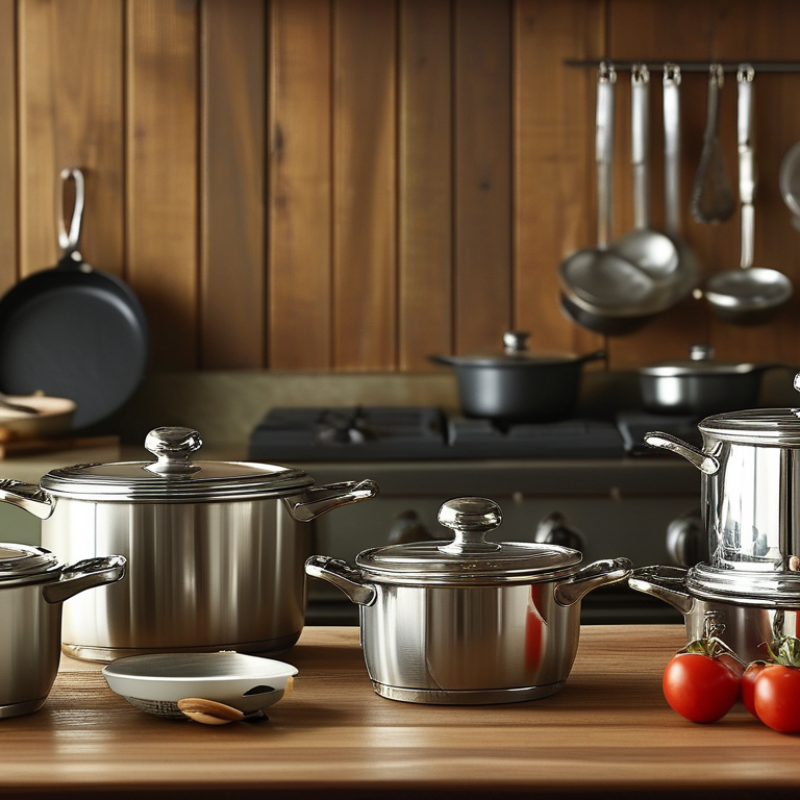
Factors to Consider When Choosing Cookware Materials
When selecting cookware, the material plays a crucial role. Different materials offer unique benefits and drawbacks.
Stainless steel is known for its durability and resistance to rust. It heats evenly and is often safe for acidic foods.
However, it may not provide the best non-stick surface. This could lead to food sticking, which may require more effort to clean.
Cast iron is another popular choice. It's excellent for heat retention and even cooking. However, it demands careful maintenance to prevent rusting.
Proper seasoning is necessary to keep it non-stick. This can be a learning curve, especially for novices.
Non-stick options are convenient but often less durable. They may not withstand high temperatures, leading to eventual peeling of the coating.
Aluminum cookware is lightweight and conducts heat well. However, it can warp over time, especially if not properly cared for.
It's also less durable than stainless steel or cast iron. Reflecting on these factors can help guide your decision.
Choose what fits your cooking style and maintenance preferences. Finding the right balance is key to enhancing your culinary experience.
Types of Cookware: Nonstick, Stainless Steel, Cast Iron, and More
Choosing the perfect cookware set for your kitchen is essential. Each type of cookware has distinct advantages and is suited for various cooking styles. Nonstick pans are great for easy clean-up and cooking delicate foods. They're ideal for beginners, but be cautious with high heat. Overheating can ruin the nonstick surface and affect your meals.
Stainless steel cookware is durable and non-reactive. It maintains the flavor of food well. These pots and pans distribute heat evenly, which is crucial for achieving perfect results. However, they can be tricky for those new to cooking. Food may stick if not enough oil is used, leading to frustration.
Cast iron is another valuable option. It excels in heat retention and can go from stovetop to oven with ease. You may need to season it regularly to maintain its nonstick properties. This can seem tedious at times, but it pays off with excellent flavor.
When choosing cookware, consider your cooking habits and style. Think about maintenance and how often you'll use each piece. Buying a variety of cookware ensures you're prepared for any recipe.
Assessing Your Cooking Style and Needs for Cookware Selection
When choosing cookware, consider your cooking style. Do you fry, bake, or steam? Each method requires different materials. For instance, non-stick pans are ideal for low-fat cooking. They allow food to slide off easily, making them great for beginners or quick meals. However, they can wear out over time and may not withstand high temperatures. According to a 2022 survey, over 60% of home cooks prefer non-stick pans for everyday use due to their convenience and ease of cleaning.
If you enjoy searing meats or making complex sauces, stainless steel cookware might be your best ally. It heats evenly and is durable. Many professionals recommend stainless steel for its versatility. However, it can be more challenging to clean if food sticks. To enhance your cooking, consider pairing materials. For example, a cast-iron skillet can complement your non-stick pans. While heavy, cast-iron retains heat well and can improve with use.
Assessing your cooking frequency is crucial. A study revealed that people who cook more than five times a week tend to invest in higher-quality cookware sets. They value longevity over initial cost. Reflecting on your personal habits can lead to better choices. What do you cook most often? How many pieces will you actually use? These reflections are essential for making a thoughtful decision.
Comparing Cookware Brands and Their Reputation for Quality
When choosing cookware, brand reputation is vital. Surveys show 70% of home cooks believe quality influences cooking performance. A trusted brand often reflects durability and safety. Consumers report that pots and pans from widely recognized brands last longer than those from lesser-known names.
Evaluating a brand’s reputation for quality involves more than just surface level. Look at consumer reviews and industry awards. Brands that consistently win kitchen product awards often have extensive testing and quality assurance processes. This scrutiny ensures they meet safety standards, leading to better cooking results.
Consider these factors: Look for materials that resist warping and scratches. Stainless steel and cast iron are popular for durability. Also, check for non-toxic coatings. Research shows that cookware with high-quality non-stick surfaces can improve the cooking experience. It’s essential to balance cost with quality. Sometimes, expensive products don’t outperform more affordable alternatives. Always aim for a blend of performance and value.
Comparative Analysis of Cookware Material Quality
Budgeting for Your Cookware Set: Finding the Right Value
When budgeting for cookware, consider your cooking style and frequency. A report from the Hearth, Patio & Barbecue Association indicates that 70% of Americans cook at home almost daily. This means investing in durable cookware is key. A quality set can last years, offering great value over time. Avoiding the cheapest options can save you money in the long run as they often wear out quickly.
It's also important to think about materials. Stainless steel, cast iron, and non-stick varieties have different price ranges. According to Consumer Reports, stainless steel sets typically range from $200 to $800 but provide exceptional longevity. Non-stick cookware, while easier to clean, may need replacing more frequently. A study by the National Kitchen and Bath Association suggests that expanded awareness of environmental factors and health benefits is influencing many buyers’ choices.
Balancing quality with price is often a personal journey. Not all expensive sets guarantee better performance. Many mid-range options perform admirably. Consider your needs. Are you an occasional cook or a culinary enthusiast? Identifying your cooking habits can guide your decision and ultimately maximize your budget. Cookware is an investment, so take the time to reflect on what works best for your kitchen.
How to Choose the Best Cookware Set for Your Kitchen? - Budgeting for Your Cookware Set: Finding the Right Value
| Cookware Type |
Material |
Average Price Range |
Durability |
Best Use |
| Cookware Set |
Stainless Steel |
$150 - $300 |
High |
Searing, Browning |
| Nonstick Frying Pan |
Nonstick Coating |
$20 - $100 |
Medium |
Eggs, Pancakes |
| Cast Iron Skillet |
Cast Iron |
$30 - $150 |
Very High |
Searing, Baking |
| Saucepan |
Aluminum |
$25 - $75 |
Medium |
Sauces, Soups |
| Stock Pot |
Stainless Steel |
$40 - $200 |
High |
Soups, Stews |
Conclusion
Choosing the right cookware set for your kitchen involves several key factors that cater to your cooking needs and style. First, consider the materials used in cookware, such as nonstick, stainless steel, and cast iron, each offering unique benefits and drawbacks. It's essential to align your choice with your cooking techniques—whether you prefer sautéing, baking, or frying—as different materials excel in various areas.
Moreover, assessing your budget is crucial in finding a set that provides the best value for your investment. Compare the reputation of different cookware brands to ensure you're selecting high-quality options that will last. Ultimately, understanding how to choose the right cookware set involves evaluating these aspects to create an efficient and enjoyable cooking experience tailored to your preferences.

 Eartha Cookware