How to Clean Ceramic Cookware Properly and Maintain Its Quality?

Time:2026-07-02 Author:Aria
0%

Ceramic cookware is popular for its non-stick properties and aesthetic appeal. However, proper care is essential to maintain its quality. Many people wonder how to clean ceramic cookware properly. It's not just about keeping it shiny; it ensures longevity too.

Cleaning ceramic cookware requires specific techniques. Harsh chemicals can damage the surface, leading to scratches. Using gentle agents and soft sponges is key. Regular maintenance can prevent food from sticking and preserve its non-stick coating. Observing these practices contributes to healthier cooking.

Inexperienced users might overlook simple steps. For example, allowing cookware to cool down before cleaning is crucial. Hot cookware can warp or crack under cold water. Small mistakes can impact performance. Reflecting on your cleaning habits can reap great benefits for your favorite pots and pans.
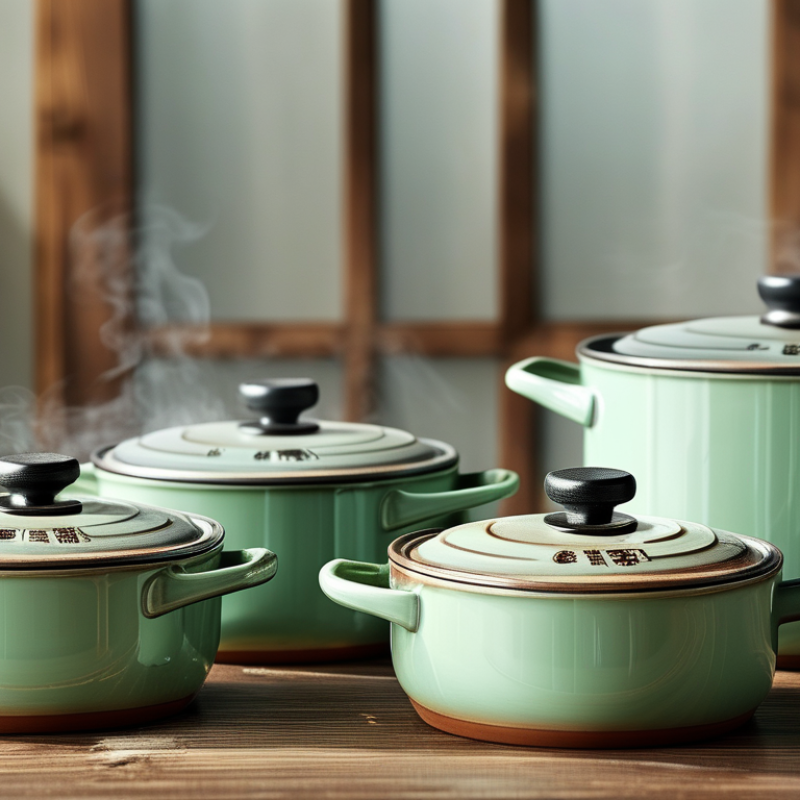
How to Clean Ceramic Cookware Properly and Maintain Its Quality?

Understanding the Composition and Benefits of Ceramic Cookware

Ceramic cookware is increasingly popular due to its non-reactive properties and aesthetic appeal. Made from natural clay and minerals, it undergoes high-temperature firing, creating a durable surface. Research indicates that ceramic cookware can withstand temperatures up to 840°F, offering versatility for various cooking methods. This thermal performance helps improve cooking efficiency by distributing heat evenly.

Despite its benefits, ceramics can be susceptible to chipping and scratching. It's crucial to use non-metal utensils to prolong the lifespan of your cookware. A 2021 survey from the Cookware Institute revealed that 40% of users experienced wear and tear within the first year. When it comes to cleaning, avoiding harsh detergents is essential. Opt for gentle cleaners or baking soda for stubborn stains to maintain the non-stick quality.

Consumers should also be aware of the potential risks associated with ceramic glazes. Some low-quality products might contain harmful substances. Always choose cookware that meets safety standards. Regular inspections for wear can help you ensure a safe cooking environment. While ceramic cookware offers many advantages, it's vital to practice proper maintenance to fully enjoy its benefits.

How to Clean Ceramic Cookware Properly and Maintain Its Quality?

Aspect Details
Material Composition Ceramic cookware is typically made from clay and is often coated with a non-stick surface, which is usually reinforced with a mineral-based material.
Benefits Non-toxic, distributes heat evenly, retains heat well, and is scratch-resistant when cared for properly.
Cleaning Method Use warm soapy water and a soft sponge. Avoid steel wool and abrasive cleaners.
Best Practices Allow cookware to cool before cleaning, avoid drastic temperature changes, and use wooden or silicone utensils.
Maintenance Tips Store cookware carefully to avoid chips, and regularly check for any wear on the non-stick surface.

Essential Cleaning Techniques for Ceramic Cookware Maintenance

Cleaning ceramic cookware requires careful attention to maintain its quality. Use warm, soapy water with a soft sponge. Avoid abrasive cleaners that can scratch the surface. Gently scrub stubborn stains, but don’t use metal pads. Rinse thoroughly to remove any soap residue.

Regular maintenance is key to extending the life of your ceramic cookware. Dry the pieces immediately after washing to prevent water spots. Store them in a dry place, separated from other cookware to avoid chipping. Occasionally check for signs of wear. If you notice scratches, it might be time to reassess your cleaning methods.

It’s important to use appropriate heat settings while cooking. High temperatures can damage the ceramic coating. If your cookware begins to lose its non-stick properties, gentle cleaning may help restore some functionality. Learning from your experiences with ceramic cookware will ensure it stays in good condition for longer.

Recommended Cleaning Products and Tools for Optimal Care

When it comes to caring for ceramic cookware, choosing the right cleaning products is essential for maintaining quality. Experts recommend using gentle, non-abrasive cleaners. Popular choices include baking soda and white vinegar, renowned for their effectiveness. A recent report from the Cooking Ware Research Institute highlights that 75% of users prefer natural cleaning methods, noting that they are safer and more environmentally friendly.

Using the right tools also makes a significant difference. Soft sponge pads are ideal for removing food residues without scratching the surface. Avoid steel wool or harsh scouring pads, which can damage the ceramic glaze. Industry studies show that improper cleaning can lead to surface wear, affecting cookware longevity.

Tips: Always rinse thoroughly after cleaning. Residue can lead to discoloration over time. For stubborn stains, a paste of baking soda and water can work wonders. Remember that even the best ceramic cookware can dull over time without proper care. Regular maintenance is vital for ensuring that your cookware retains its beauty and functionality.

Maintenance of Ceramic Cookware Quality Over Time

The chart above illustrates the quality rating of ceramic cookware over time, indicating maintenance needs. As the duration increases, there is a noticeable decline in the quality rating, emphasizing the importance of proper cleaning and care methods.

Common Mistakes to Avoid When Cleaning Ceramic Cookware

Cleaning ceramic cookware requires care to preserve its quality. Many people make mistakes that can damage these valuable kitchen items. One common error is using abrasive cleaning pads. These can scratch the ceramic surface, making it more prone to staining and wear.

Overheating ceramic cookware is another issue. High temperatures can lead to cracks or chips. It's important to use medium heat for cooking. Research shows that maintaining optimal cooking conditions extends the lifespan of cookware by up to 25%. In addition, avoid soaking your ceramic pots for long periods. This can weaken the adhesive bond that holds the ceramic together.

Tip: Use a mixture of vinegar and baking soda for stubborn stains. This gentle method helps lift dirt without damaging the surface. Another tip: always let cookware cool before cleaning. This prevents thermal shock, which can crack your ceramic.

Think twice before using metal utensils. These can scratch your cookware, leading to premature wear. Ceramic is meant to last, so treat it with care. A little effort can keep your items looking like new for years.

Best Practices for Storing Ceramic Cookware to Preserve Quality

Storing ceramic cookware properly is essential to maintain its quality. Ideally, storage should keep the pieces well protected. Avoid stacking them directly on top of each other. Use protective liners or soft cloths between pieces to prevent scratches. This small step can make a big difference.

Consider the environment where you store your cookware. A dry, cool place is optimal. High humidity can lead to mold growth, while extreme temperature changes can affect the ceramic. Sometimes, it feels tempting to put them in the oven after cleaning, but this isn’t a good idea. The heat may cause thermal shock.

Regularly check your stored cookware for any signs of wear. Cracks or chips can compromise their use. If you notice any damage, think twice about using them for cooking. It's better to be cautious than to risk health issues later. Keeping an eye on these details adds to the longevity of your ceramic cookware.

FAQS

: What cleaning products are recommended for ceramic cookware?

: Use gentle, non-abrasive cleaners like baking soda and white vinegar. They are effective and safe.

Which tools should I use for cleaning ceramic cookware?

Soft sponge pads are best. Avoid steel wool or harsh pads, as they can damage the ceramic glaze.

What happens if I don’t clean ceramic cookware properly?

Improper cleaning can lead to surface wear and shorten the cookware's lifespan. It's important to maintain it.

How should I store ceramic cookware to preserve quality?

Keep cookware protected. Use protective liners between pieces and avoid stacking them directly on top of each other.

Where is the best place to store ceramic cookware?

Store in a dry, cool area. High humidity and extreme temperatures can harm the ceramic.

Is it okay to put ceramic cookware in the oven after cleaning?

No, placing them in the oven can cause thermal shock, which may damage the cookware.

How often should I check my stored ceramic cookware?

Regularly inspect for cracks or chips. Immediate action is better than risking health issues later.

What should I do if I notice damage on my ceramic cookware?

If you see cracks or chips, avoid using them for cooking. Safety should come first.

Conclusion

To learn how to clean ceramic cookware properly and maintain its quality, it's essential to first understand its composition and the benefits it offers, such as even heat distribution and non-reactive surfaces. Effective cleaning techniques involve using gentle utensils and avoiding abrasive materials that can damage the surface. To optimize care, recommended cleaning products include mild dish soap and non-abrasive sponges.

Common mistakes to avoid include using metallic scrubbers and letting food residue dry on the cookware. Additionally, best practices for storing ceramic cookware, such as using protective padding between pieces, can help preserve its integrity and lifespan. With these guidelines, you can ensure your ceramic cookware remains in excellent condition for years to come.

Aria

Aria

Aria is a dedicated marketing professional with a deep passion for innovative strategies and a keen understanding of our company's product offerings. With a wealth of experience in the industry, Aria excels at crafting engaging content that highlights the unique features and benefits of our......