Cookware from China can serve reliably for years when its materials and finishes receive proper care. Stainless steel, cast iron, aluminum, ceramic, and nonstick surfaces each respond differently to heat, moisture, and cleaning. Understanding those differences is the practical starting point for learning how to extend the lifespan of cookware.
Small habits often create the biggest results. Match the pan to the burner size, and avoid heating an empty nonstick pan. Use wooden, silicone, or nylon utensils on coated surfaces. Let hot cookware cool before washing it. Sudden temperature changes can warp metal or crack enamel. Dry every piece completely, especially around rivets, handles, and lids. A thin layer of oil can also protect seasoned cast iron between uses.
Read the manufacturer’s instructions carefully. They may specify oven limits, dishwasher restrictions, or suitable cooking tools. Inspect the surface regularly. Deep scratches, loose handles, severe rust, or damaged coatings deserve attention rather than wishful thinking. Replace cookware when damage affects safe cooking. That decision can feel wasteful, but extending service life should never outweigh food safety.
Some advice is easy to repeat but harder to follow. Overheating happens during busy meals. Stacked pans still get scratched. Even experienced cooks make mistakes. Keep protective separators between stored pieces, remove burnt residue with patience, and avoid harsh cleaners unless the manufacturer approves them. Care routines may seem modest, yet they preserve performance, appearance, and value across many meals.
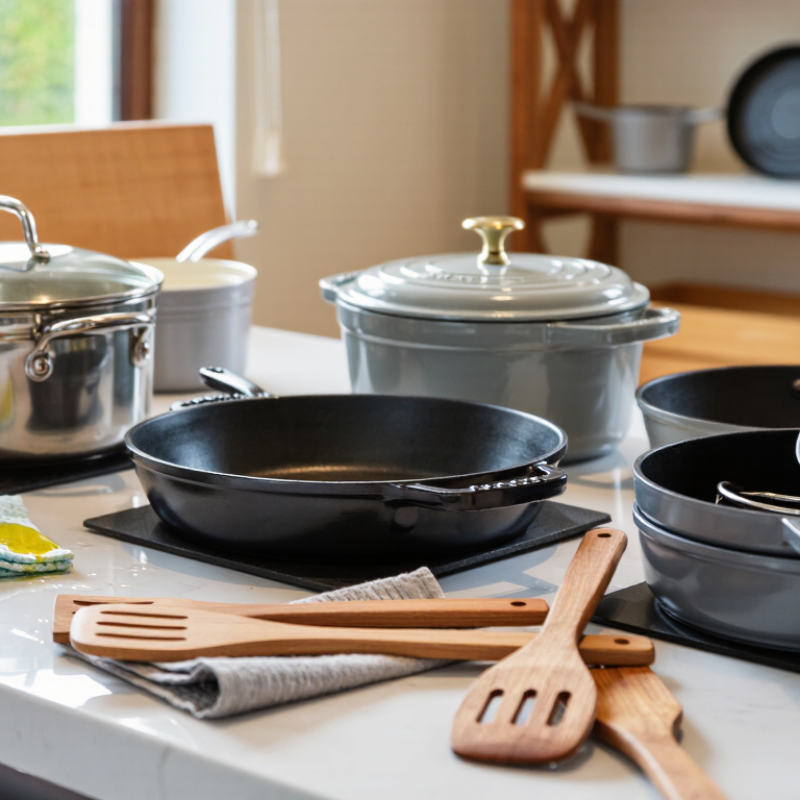
Chinese cookware is not one material category. Its durability depends on metal quality, thickness, joining methods, and surface treatment. Stainless steel pans often use 304-grade steel, while aluminum bodies provide faster heat response. Three-layer construction usually places aluminum between stainless steel sheets. This spreads heat more evenly and reduces hot spots. According to World Stainless Association data, global stainless steel production reached about 58.4 million tonnes in 2023. However, a large supply does not guarantee consistent cookware quality. Check the base flatness, handle rivets, welds, and rim finishing before purchase. Small defects matter.
Carbon steel and cast iron can last for decades with seasoning and controlled heating. They need drying immediately after washing. Aluminum is lighter and heats quickly, but thin bodies may warp under sudden temperature changes. The International Aluminium Institute reports that recycled aluminum requires up to 95% less energy than primary aluminum. That supports material efficiency, but not necessarily longer service life. A thicker base is not always better. It may heat slowly and strain handles. Construction must match the cooking method.
Coated cookware needs gentler treatment.
Metal utensils, abrasive powders, and empty high heat can damage the surface. I have ruined a good pan by preheating it too aggressively. That shortcut was false economy. Use medium heat, wooden tools, and gradual cooling. For induction cooking, test magnetic response before buying. The pan should sit level, with no rocking. Inspect the coating and rivets regularly, because replacement is safer than continued use after visible failure.
Common materials include stainless steel, aluminum, carbon steel, cast iron, and coated metal. Each behaves differently.Stainless steel resists corrosion. Aluminum heats quickly. Carbon steel and cast iron can last for decades with proper seasoning.
Not necessarily. Thick metal stores heat and may respond slowly.It can also increase handle strain. Choose thickness according to your stove and cooking style.
Place the pan on a flat surface. It should not rock.Inspect the base, rim, rivets, welds, and handle joints. Small gaps or sharp edges may become larger problems later.
Use medium heat and avoid heating the pan while empty. Stop if the oil begins to smoke.Gradual heating works better. I once overheated a good pan and mistook speed for efficiency.
Use wooden tools, smooth nylon, or heat-rated silicone. Avoid sharp metal edges.A hurried scrape can leave tiny scratches. The damage may look minor at first.
Wash them carefully, dry them immediately, and maintain a thin seasoning layer.Do not leave water around the rim or handle joints. Rust can begin overnight.
Reduce the heat if the handle becomes very hot, oil smokes, or the surface changes color.Thick cookware may keep heating after the burner is lowered. That detail is easy to miss.
Let the cookware cool gradually before washing. Use a soft sponge instead of abrasive powder.Dry the base, rim, and rivets completely. Check regularly for peeling, bubbling, cracks, or warping.
Replacement is safer when the coating visibly peels, bubbles, or flakes. Do not keep testing its limits.A pan can appear usable. Its surface may still be failing.
Learning how to extend the lifespan of cookware from China begins with understanding its materials and construction. Different surfaces, such as stainless steel, cast iron, aluminum, and coated cookware, require different care. Before the first use, wash the cookware thoroughly, remove packaging residue, and follow any basic preparation instructions suitable for its material. During cooking, use moderate temperatures and choose utensils that will not scratch or damage the surface. Avoid overheating empty cookware, sudden temperature changes, and unnecessary exposure to high heat.
Proper cleaning, drying, and storage are equally important. Clean cookware soon after use with appropriate tools, dry it completely to prevent rust or water spots, and store pieces so they do not rub against one another. Minor discoloration, stains, or surface marks may often be managed with gentle cleaning methods, while deeper scratches, peeling coatings, cracks, warping, or loose handles may indicate that replacement is safer than repair. Consistent care helps cookware perform reliably and remain useful for many years.

 Eartha Cookware