When it comes to cooking, many home chefs face a common dilemma: "why is food sticking to ceramic cookware?" This issue frustrates both novice cooks and seasoned chefs alike. According to Dr. Emily Carter, a renowned culinary scientist, "The non-stick properties of ceramic can diminish over time with improper use and care." This highlights how vital it is to understand the factors contributing to food adhesion.
Ceramic cookware is often praised for its aesthetic appeal and the health benefits it offers. Yet, issues arise when food sticks, leading to unsatisfactory cooking experiences. Factors like temperature control and the choice of cooking oil play significant roles. For instance, using too low a heat can prevent food from searing properly, causing it to stick. Many overlook these details, which may seem minor but can significantly affect cooking outcomes.
Despite its advantages, ceramic cookware isn't foolproof. Regular maintenance and adherence to guidelines are crucial. Observing how heat affects the surface and adjusting cooking techniques can help reduce sticking. Reflecting on these aspects opens a path for better results in the kitchen. Understanding "why is food sticking to ceramic cookware" empowers us to optimize our cooking methods.
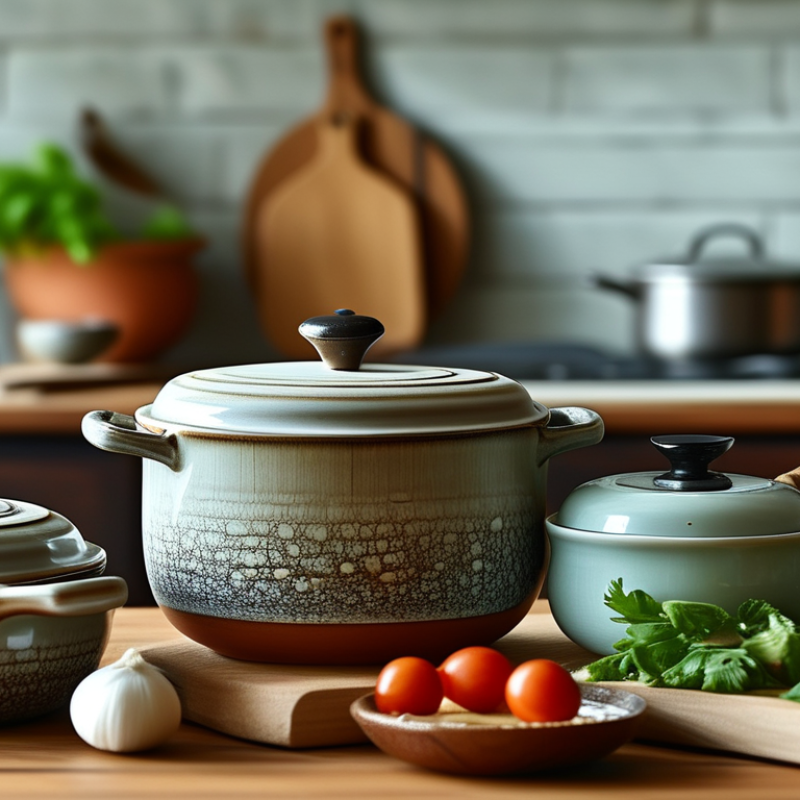
Ceramic cookware is popular for its non-reactive surface and heat conductivity. However, many users experience food sticking to it. Understanding the properties of ceramic can help minimize this issue. Ceramic surfaces are porous and can absorb oils. This absorption may lead to sticking, especially if the cookware is older or has been scratched.
To prevent food from sticking, preheat your ceramic cookware before adding any oil. A hot surface helps create a natural barrier between the food and the ceramic. Additionally, always use enough oil or butter when cooking. This creates a non-stick layer that enhances the cooking experience.
Cleaning your ceramic cookware correctly is crucial. Avoid metal utensils that can scratch the surface. Use soft sponges and gentle cleaners. This will preserve the integrity of the ceramic and reduce sticking over time. Remember, even the best cookware needs proper care. Regular maintenance is key to prolonging its lifespan and improving its non-stick properties.
Food sticking to ceramic cookware can be frustrating. Understanding the common causes can help improve your cooking experience. One significant factor is heat control. The right temperature is crucial. If the pan is too hot, food can scorch and adhere to the surface. According to industry studies, high temperatures can lead to a 50% increase in food sticking.
Another reason food sticks is inadequate oil usage. A proper oil coating forms a barrier that prevents food from adhering. Experts suggest using oils with higher smoke points, like canola or avocado oil. This simple adjustment can drastically reduce sticking.
Tips: Always preheat your ceramic cookware on low to medium heat. This allows for even temperature distribution. Use enough cooking oil to create a non-stick layer under your food. Remember, ceramic surfaces need time to cool before washing to maintain their integrity.
Lastly, improper cleaning can alter ceramic's non-stick qualities. Harsh scrubbers can wear down the surface over time. A gentle sponge with warm, soapy water is often best. Regular care keeps your cookware in optimal condition, preventing future sticking issues.
One common problem with ceramic cookware is food sticking. This can be frustrating. The key to preventing this issue lies in preparation and cooking methods. For example, always preheat your ceramic pan. A heated surface can help create a barrier. This aids in easy food release. Another tip is to add adequate oil or butter before cooking. These fats can enhance the non-stick properties of your cookware.
Cleaning and maintaining your ceramic items is equally crucial. Avoid using sharp utensils that can scratch the surface. Using wooden or silicone tools can help preserve the coating. Regularly check for any damage. A cracked or chipped pan is more likely to cause sticking. Be mindful of how you store your cookware as well. Stacking them without protection can lead to scratches over time.
Consider your cooking temperature. High heat may cause food to adhere, especially for proteins. Instead, using medium heat can provide better results. Pay attention to the cooking time as well. Overcooking can lead to sticking as food begins to caramelize and bond with the surface. Understanding these factors will help you enjoy better cooking experiences with ceramic cookware.
| Cause of Food Adhesion | Preventive Measure | Effectiveness |
|---|---|---|
| Improper Heating | Preheat cookware for even cooking | High |
| Insufficient Oil or Fat | Use adequate oil before cooking | High |
| Food Sticking to Cool Surface | Heat the pan before adding food | Medium |
| Using Metal Utensils | Use wooden or silicone utensils | Very High |
| Overcrowding the Pan | Cook in batches or use a larger pan | Medium |
| Low-Quality Ceramic Coating | Invest in high-quality cookware | Very High |
Ceramic cookware is popular, but food can sometimes stick. The key to preventing this issue lies in proper cleaning and maintenance. Start with a gentle hand. Use non-abrasive sponges to avoid scratching the surface. Scratching can reduce the non-stick properties of your cookware.
One essential tip is to preheat your ceramic pans on low heat. This helps distribute the heat evenly. When you add oil or butter, it creates a barrier between the food and the surface. Don't forget to let leftovers cool down before cleaning. Sudden temperature changes can crack the ceramic, leading to long-term damage.
After cooking, wash your cookware with warm, soapy water. Avoid harsh chemicals; they can wear down the finish. Rinse thoroughly to remove any soap residue. Regular maintenance extends the life of your ceramic cookware and enhances cooking performance. Although it's tempting to scrub hard, be mindful. Overzealous cleaning can harm the ceramic layer, leading to unwanted sticking.
Ceramic cookware can last for years, but wear and tear are inevitable. If you notice food sticking more often, it might be time for a change. Sticking occurs due to scratches or chips in the ceramic coating. These imperfections can trap food, making cooking and cleaning difficult. Regular assessments of your cookware’s surface are essential.
Pay attention to discoloration or peeling. If you see these signs, consider replacing your pans. A worn ceramic surface affects cooking performance and food safety. Cooking should be a joy, not a struggle with stubborn food residue. New cookware can enhance your experience.
In some cases, re-evaluating cleaning methods can help. Non-metal utensils and gentle scrubbing will prolong the life of your ceramicware. However, if issues persist, a replacement may still be necessary. Ultimately, prioritize your kitchen tools for the best cooking results.
: Ceramic cookware is popular for its non-reactive surface and good heat conductivity.
Food sticks due to the porous surface absorbing oils and scratches over time.
Preheat your cookware and use enough oil or butter for a natural non-stick barrier.
Avoid metal utensils and harsh chemicals that can scratch and damage the surface.
Use soft sponges, warm soapy water, and gentle cleaning methods to preserve its quality.
If you notice frequent sticking or visible scratches and chips, it might be time for a change.
Yes, sudden changes can crack the ceramic, leading to long-term damage.
Proper care extends the life of ceramic cookware and improves its non-stick properties.
No, overzealous scrubbing can harm the ceramic layer and lead to sticking issues.
Regular assessments are essential to monitor for scratches, discoloration, or peeling.
Understanding why is food sticking to ceramic cookware involves examining various factors, such as the properties of ceramic surfaces and common causes of adhesion. Ceramic cookware is known for its non-stick capabilities, but issues can arise due to overheating, inadequate oil use, or improper cooking techniques. To reduce food sticking, it’s essential to follow preventive measures, such as preheating the pan correctly and applying sufficient cooking oil.
Additionally, proper cleaning and maintenance are crucial for preserving the non-stick qualities of ceramic cookware. Regular gentle cleaning methods can extend the life of your cookware. However, when signs of wear and reduced performance appear—such as persistent food sticking—it may be time to consider replacing your ceramic cookware for optimal cooking results.

Eartha Cookware