How Often Should Cookware Be Replaced?

Time:2026-09-11 Author:Charlotte
0%

How often should cookware be replaced? The answer is rarely found on a calendar. A saucepan may last two years, while a well-maintained stainless-steel skillet can serve a family for decades. The real guide is its condition, performance, and safety. A loose handle, a badly warped base, deep rust, or a cracked cooking surface deserves attention. Sometimes, replacement is obvious.

Lisa McManus, executive tasting and testing editor at America’s Test Kitchen, emphasizes practical performance: “If a pan doesn’t heat evenly, it can undermine the recipe.” That principle makes cookware inspection more useful than a fixed replacement schedule. Place the pan on a flat counter. Does it wobble? Hold the handle firmly. Does it shift or squeak? Look closely at nonstick surfaces, especially around the center where utensils and heat cause visible wear. Small scratches may not mean immediate disposal, but peeling coating should not be ignored.

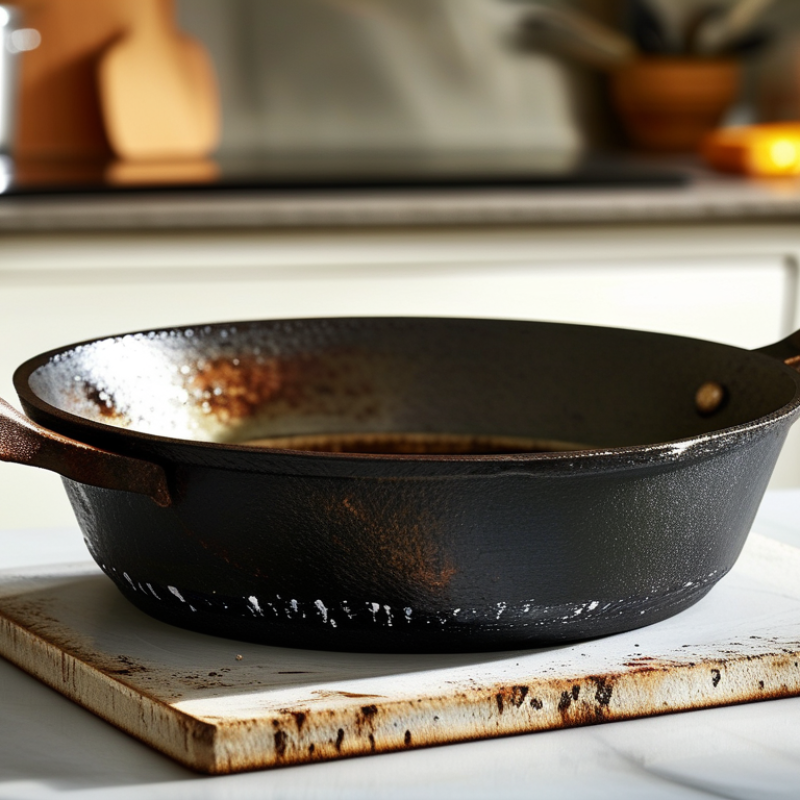
Material also changes the timeline. Nonstick cookware commonly needs replacement after several years, depending on heat, cleaning, and daily use. Cast iron can last generations when seasoned and stored properly. Stainless steel may remain useful despite stains and discoloration. That is easy to forget. Appearance is not always evidence of failure.

This guide explores how often should cookware be replaced through practical warning signs, material differences, and everyday cooking habits. It also admits an uncomfortable truth: many people keep damaged pans too long because replacement feels wasteful. A pan that burns food, rocks on the burner, or sheds its surface is already costing more than money.
How Often Should Cookware Be Replaced?

What Determines How Often Cookware Should Be Replaced?

How Often Should Cookware Be Replaced?

Cookware has no universal replacement schedule. Its condition matters more than its age. A pan used daily may wear faster than one used monthly. Check the cooking surface, handles, lids, and base before deciding. Deep scratches, peeling coatings, loose handles, or severe warping are clear warning signs. A warped base may heat unevenly and create unstable contact with the stove.

Material also affects durability. Uncoated metal cookware can often remain useful for many years with proper care. Coated cookware needs closer inspection because damaged surfaces may affect cooking performance. Rust, cracks, persistent stains, and food sticking despite careful preparation suggest that replacement deserves consideration.

Heat exposure, metal utensils, harsh cleaning, and sudden temperature changes can shorten cookware’s useful life. I once kept a slightly warped pan because it still looked clean. It cooked poorly, and replacing it was the better choice. Appearance alone can mislead.

Tips: Inspect cookware under bright light every few months. Run a finger gently across the surface, but avoid touching sharp damage. Confirm that handles stay firmly attached and lids fit securely. Follow the care instructions provided with the cookware. Replace damaged pieces promptly, especially when they no longer sit steadily or heat food evenly. There is no perfect timeline. Regular inspection is more reliable than an arbitrary replacement date.

Signs That Cookware Needs Repair or Replacement

How Often Should Cookware Be Replaced?

Signs That Cookware Needs Repair or Replacement

Cookware rarely needs replacement on a fixed schedule. Its condition matters more than its age. In my kitchen, I check pans before cooking, especially after heavy daily use. A loose handle, wobbling base, or cracked lid can make ordinary cooking unsafe. Some problems are repairable, such as a replaceable handle or missing screw. A warped pan usually needs replacement because it heats unevenly and may rock on the stove.

Coated cookware deserves closer attention. If the surface is peeling, deeply scratched, or showing bare metal, replace it. Small marks may seem harmless, but continued use can worsen the damage. Stainless steel can last for many years, although deep pits, severe rust, or cracks are warning signs. I once kept using a pan with a loose handle for too long. That was careless. Regular cleaning did not fix the real problem.

Tips: Hold each handle firmly before cooking. Place pans on a flat surface to check for wobbling. Use suitable utensils to reduce scratches. Avoid sudden temperature changes, which can distort metal. Dry cookware completely after washing, especially around rivets and edges. If a repair feels temporary or unreliable, replacement is the safer choice. Inspect cookware under bright light. Small defects are easier to notice.

How Often Should Cookware Be Replaced? - Signs That Cookware Needs Repair or Replacement

Cookware Type Typical Service Life Signs It May Need Repair Signs It Should Be Replaced Recommended Action Maintenance Tips
Stainless Steel 10–20+ years Loose handle, worn rivets, or a lid knob that can be tightened or professionally replaced. Severe warping, a split body, exposed sharp edges, or a handle that cannot be securely attached. Repair hardware when the pan remains structurally sound; otherwise replace it. Use non-abrasive cleaners, avoid sudden temperature changes, and dry thoroughly after washing.
Cast Iron Decades to a lifetime Surface rust, loss of seasoning, or a loose handle can often be corrected through cleaning, reseasoning, or hardware replacement. Cracks, large chips, severe pitting, or a visibly unstable base. Restore surface rust and seasoning; replace cracked or structurally damaged cookware. Dry immediately, apply a thin layer of cooking oil, and avoid prolonged soaking.
Enameled Cast Iron 10–20+ years Loose handles or lid hardware may be repairable if the enamel and body are intact. Deep chips exposing the underlying metal, extensive cracking, severe rust beneath chips, or a lid that no longer fits safely. Inspect minor chips carefully; replace cookware with widespread or sharp-edged enamel damage. Use wooden or silicone utensils and avoid metal scouring pads and thermal shock.
Nonstick-Coated 3–5 years A loose handle or lid knob may be repairable if the coating is still smooth and intact. Peeling, flaking, blistering, deep scratches, exposed substrate, or widespread loss of nonstick performance. Replace damaged or peeling cookware rather than attempting to recoat it at home. Use low to medium heat, soft utensils, gentle detergents, and avoid stacking without protection.
Ceramic-Coated 1–3 years Hardware such as a handle or knob can sometimes be tightened or replaced. Cracked, chipped, or peeling coating; exposed metal; or persistent sticking despite proper cleaning and heat control. Replace cookware when the cooking surface is damaged or the coating is separating. Avoid high heat, abrasive cleaners, metal utensils, and sudden temperature changes.
Carbon Steel 10–20+ years Rust, uneven seasoning, and minor surface discoloration can usually be removed and reseasoned. Cracks, holes, severe warping, or damage that prevents stable contact with the cooktop. Reseason surface problems; replace cookware with structural damage. Keep it dry, maintain a thin seasoning layer, and avoid prolonged exposure to water.
Copper 10–30+ years Loose handles, worn lining that can be professionally renewed, or minor tarnish. Deep dents affecting stability, leaking seams, detached handles, or badly worn interior lining. Use professional repair for lining or handle work; replace leaking or unsafe pieces. Use appropriate heat, polish the exterior as needed, and avoid abrasive products on lined interiors.
Aluminum 5–10 years Minor discoloration or a loose handle may be corrected if the pan is not warped or deeply damaged. Severe warping, holes, deep corrosion, sharp edges, or a damaged nonstick coating. Inspect for stability and surface damage; replace unsafe or badly warped cookware. Avoid harsh alkaline cleaners, overheating, and abrasive scrubbing.
Glass Bakeware 10+ years if undamaged There are few practical repairs; replaceable accessories such as lids may be the only serviceable parts. Any crack, chip, deep scratch, or damage caused by thermal shock. Replace immediately if cracked or chipped because failure can occur during heating. Follow the manufacturer’s temperature guidance and avoid moving hot glass onto cold or wet surfaces.
General Safety Check Before every use Minor cosmetic stains, surface discoloration, or removable residue are usually not structural problems. Unstable bases, loose handles, sharp edges, leaking cookware, cracks, or coating flakes in food. Stop using questionable cookware until it has been repaired or replaced. Replace based on condition rather than age alone, and follow the care instructions for the specific material.

Replacement Timelines for Different Cookware Materials

Cookware replacement depends more on material and damage than on age alone. The 2022 FDA Food Code requires food-contact surfaces to remain smooth, durable, and easily cleanable. It does not set a universal replacement date. In practice, coated nonstick pans often need replacement after three to five years. Replace them sooner if the surface flakes, blisters, or exposes the base metal. Five years can arrive quietly.

Stainless steel cookware may last 10 to 20 years, or longer, when the base stays flat and handles remain secure. Cast iron can last for decades, provided it has no structural cracks or severe pitting. Enameled cast iron commonly serves for 10 years or more, but chipped enamel around the cooking surface deserves caution. Aluminum pans may last five to 10 years, depending on thickness, warping, and surface wear. These ranges are practical estimates, not laboratory guarantees. Consumer Reports’ cookware testing repeatedly emphasizes heat distribution, coating durability, and handle strength rather than a fixed lifespan. That matters because a lightly used pan may outlast a heavily used one by years. I would inspect the cooking surface, rivets, and base every few months. My own mistake was judging a pan by appearance alone. Loose hardware is a clearer warning.

How Cooking Habits Affect Cookware Lifespan

How Often Should Cookware Be Replaced?

Cookware does not follow a fixed replacement calendar. Its lifespan depends heavily on how it is used each week. A pan used gently for steaming may last far longer than one exposed to high heat daily. In my kitchen, rushed cooking caused more damage than frequent cooking. I often left an empty pan on a hot burner, and the base slowly warped. It still looked usable, but it heated unevenly.

High temperatures, sudden temperature changes, and metal utensils can shorten a pan’s useful life. Stacking cookware without protection can also create scratches. Acidic foods, such as tomatoes and citrus sauces, may affect some surfaces after repeated cooking. Dishwashers add heat, detergent, and moisture to the wear process. Small habits matter. Medium heat is usually safer for most cookware. Letting a pan cool before washing can prevent thermal shock.

Inspect each piece regularly. A loose handle, deep distortion, severe rust, or a damaged cooking surface deserves attention. If a coated surface is visibly peeling or flaking, replacement is the more responsible choice. I have kept an old skillet longer than I should have because it felt familiar. That decision was practical, but not always wise. A pan that rocks on the stove or produces persistent hot spots can waste food and increase cooking frustration. Lifespan is therefore personal, but condition remains the better guide.

How Often Should Cookware Be Replaced?

How cooking habits affect the typical useful life of common cookware materials

Typical service-life estimates: Nonstick cookware often lasts about 3–5 years, stainless steel about 10–15 years, enameled cast iron about 10–20 years, and bare cast iron can last for decades with proper care. High heat, metal utensils, abrasive cleaning, thermal shock, and frequent commercial-style use can shorten these ranges.

Replacement signs: Replace cookware when a nonstick coating is peeling or deeply scratched, when a pan has severe warping or cracks, when handles are unsafe, or when corrosion cannot be removed safely. Using medium heat, suitable utensils, gentle cleaning, and gradual temperature changes can help cookware reach the longer end of its typical lifespan.

Choosing Safe and Durable Replacement Cookware

How Often Should Cookware Be Replaced?

Choosing safe and durable replacement cookware starts with condition, not a fixed calendar. A well-made stainless-steel pot may last decades. A damaged nonstick pan may need replacement much sooner. The U.S. Food and Drug Administration’s 2022 Food Code emphasizes smooth, corrosion-resistant, and easily cleanable food-contact surfaces. Deep scratches, peeling coatings, heavy rust, or loose handles fail that practical test. Replace those pieces.

Look closely under bright kitchen light. If a pan rocks on a flat surface, heat may spread unevenly. If the handle shifts, the risk is obvious. Consumer Reports’ cookware testing compares heat distribution, durability, and nonstick performance across tested products. Those measurements matter more than appearance alone. A pan that burns one side of an omelet wastes food and encourages unsafe overheating. I have kept “almost fine” cookware too long. That was not good judgment.

Replacement cookware should match your cooking habits and care routine. Choose stable bases, heat-resistant handles, and surfaces you can clean without aggressive scrubbing. The Association of Home Appliance Manufacturers reports that cooking equipment remains a major household energy user, so efficient heating also matters. Avoid automatically replacing every pan yearly. That creates needless waste. Yet delaying replacement after coating damage is also careless. Follow the manufacturer’s temperature and utensil guidance, and inspect frequently. Even durable cookware eventually develops weak points.

FAQS

: How often should cookware be replaced?

: There is no universal replacement date. Condition matters more than age. Inspect each piece every few months. Five years can arrive quietly.

When should a nonstick pan be replaced?

Replace it when the coating flakes, blisters, or exposes the base metal. Deep scratches also require attention. Do not wait.

How long can stainless steel cookware last?

Stainless steel often lasts 10 to 20 years, or longer. Replace it when the base warps or handles become loose. A flat base matters.

Can cast iron cookware last for decades?

Yes, cast iron can last for decades without structural cracks or severe pitting. Surface seasoning can usually be maintained. Check it carefully.

When should enameled cookware be replaced?

Replace or stop using it when enamel chips near the cooking surface. Small exterior chips may need monitoring. Damage can spread unexpectedly.

How long does aluminum cookware usually last?

Aluminum pans commonly last five to 10 years. Thickness, warping, and surface wear affect that estimate. A rocking pan needs evaluation.

Which damage signals mean immediate replacement?

Replace cookware with peeling coatings, heavy rust, deep cracks, or loose handles. A shifting handle can cause spills. Safety comes first.

How can I inspect cookware at home?

Place the pan on a flat counter and gently test its stability. Examine the surface, rivets, handle, and underside under bright light. I once trusted appearance alone, and that judgment was poor.

Should lightly used cookware be replaced on a schedule?

Not necessarily. Light use may extend its useful life by several years. Still, inspect it regularly. Age can hide weak points.

How should I choose replacement cookware?

Match the material to your cooking habits and cleaning routine. Choose a stable base, secure handle, and durable cooking surface. Avoid aggressive scrubbing when possible. Perfect choices are not guaranteed.

Conclusion

How often should cookware be replaced depends on its material, construction, frequency of use, and level of care. Rather than following a fixed schedule, inspect each piece regularly for deep scratches, cracks, warping, loose handles, chipped coatings, rust, or uneven heating. Minor issues such as a loose screw may be repairable, but damaged surfaces, unstable handles, and severe deterioration generally indicate that replacement is safer. Heavy daily use can shorten cookware’s lifespan, while gentle utensils, moderate heat, proper cleaning, and suitable storage can help it last longer.

Different materials age at different rates: coated cookware may need replacing sooner when its surface begins to peel or lose performance, while stainless steel, cast iron, and other durable materials can remain useful for many years if maintained correctly. When choosing replacements, prioritize sturdy construction, heat-resistant handles, safe cooking surfaces, and a size that matches your habits. Regular inspection and thoughtful use are more reliable than relying on a universal replacement timeline.

Charlotte

Charlotte

Charlotte is a seasoned marketing professional with a deep understanding of the company's portfolio and a passion for elevating its presence in the market. With a keen eye for detail and a commitment to excellence, she ensures that our professional blog is regularly updated with insightful articles......