Non-toxic cookware is a crucial component of a healthy lifestyle. Research shows that harmful chemicals can leach into food from traditional cookware materials. This is where the question, "why is non toxic cookware important," comes into play. According to Dr. Sarah Johnson, a leading expert in environmental health, "Choosing non-toxic cookware can significantly reduce the risks of chemical exposure in our kitchens."
Cookware made from materials such as stainless steel, glass, and ceramic prevents harmful substances from contaminating food. A study by the Consumer Product Safety Commission highlighted that over 200 chemicals commonly found in cookware can pose health risks. These chemicals can disrupt hormonal balance and contribute to long-term health issues. In a fast-paced world, many overlook these risks, but awareness is key. Simple changes in the kitchen can lead to substantial health benefits.
Investing in non-toxic cookware reflects a commitment to health and safety. It fosters a mindful approach to cooking. Transitioning can feel overwhelming at first; however, the long-term benefits are undeniable. Engaging with this topic encourages reflection on choices and their impact on overall health. Thus, exploring non-toxic options is essential for both personal well-being and family safety.
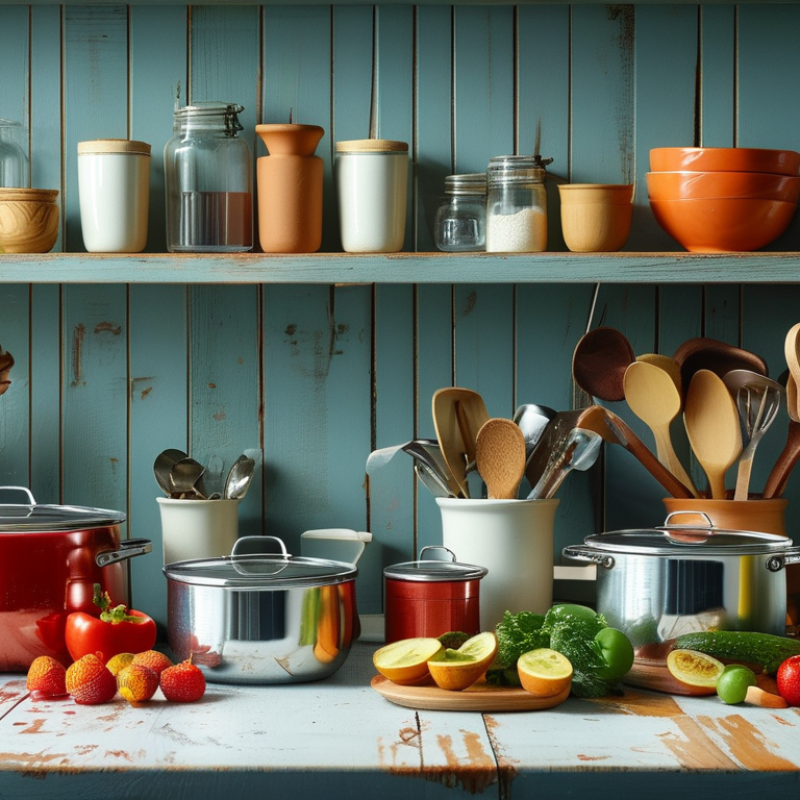
The Definition and Importance of Non-Toxic Cookware
Non-toxic cookware is crucial for maintaining health. It is defined as kitchenware made without harmful chemicals. Traditional cookware often contains elements like PFOA and lead, which can leach into food. According to the Environmental Protection Agency, these substances are linked to various health issues, including hormonal disruptions and cancer.
Choosing non-toxic options ensures safer cooking. Studies show that 90% of consumers are unaware of the risks associated with toxic cookware. This lack of awareness poses a significant health risk. It's essential to educate oneself about the materials used in cookware. Investing in safe options can vastly improve your culinary experience and personal well-being.
When selecting cookware, look for alternatives like stainless steel, cast iron, or ceramic. These materials are durable and free from harmful chemicals. Avoid products with non-stick coatings unless specified as PFOA-free. Regularly inspect cookware for signs of wear. Damaged cookware may release toxins into your meals. Consider these factors when updating your kitchen. Small changes can lead to significant health benefits.
Key Health Risks Associated with Toxic Cookware Materials
Toxic cookware materials can pose serious health risks. Many popular cookware options contain harmful substances, such as lead and PFOA. These materials can leach into your food during cooking. Prolonged exposure may lead to serious health issues, including hormonal disruptions and increased cancer risk.
Choosing non-toxic cookware is essential for protecting your well-being. Look for options made from stainless steel, cast iron, or glass. These materials are less likely to release harmful chemicals. When preparing meals, always ensure cookware is free from scratches or damage. Damaged cookware can increase the risk of chemical release.
Cooking at lower temperatures can also help reduce health risks. High heat can cause certain materials to break down faster. Additionally, try to avoid cooking acidic foods in aluminum pans. This can speed up the leaching process. Understanding what you’re using in the kitchen is a vital step toward a healthier lifestyle.
10 Reasons Why Non Toxic Cookware is Essential for Your Health
The Benefits of Non-Toxic Cookware for Daily Cooking
Choosing non-toxic cookware can significantly benefit your daily cooking routine. Regular use of cookware containing harmful chemicals can lead to health risks. Reports from the Environmental Protection Agency indicate that certain metals and synthetic coatings may leach harmful substances into food. This is particularly alarming given that over 80% of adults have expressed concern about chemicals in their cookware.
Healthier cooking options, such as ceramic or stainless steel, offer safe alternatives. These materials are less likely to release toxins during cooking. Research published in the Journal of Environmental Health has shown that using non-toxic cookware can dramatically reduce chemical exposure. For example, switching to ceramic cookware reduces the risk of gastrointestinal issues and skin irritations in many users.
Daily cooking is an opportunity to prioritize health. When preparing meals, using cookware free from toxic substances allows for safer cooking methods. This awareness can lead to better nutrition choices and improvements in overall well-being. Opting for non-toxic materials aligns with a growing trend towards healthier living. While many might still rely on traditional options, exploring non-toxic cookware may require a conscious shift in mindset.
Comparing Non-Toxic Cookware Options: What to Look For
When choosing non-toxic cookware, consider materials like stainless steel, cast iron, and ceramic. These options offer safety and durability. Stainless steel is non-reactive and will not leach metals into food. Studies show that stainless steel cookware can significantly reduce exposure to harmful chemicals compared to non-stick alternatives.
Look for cookware that’s free from harmful substances like PFOA and PFOS. According to the Environmental Protection Agency (EPA), these chemicals can have detrimental health effects. Cast iron cookware not only avoids these toxins but also adds iron to your diet, which is beneficial in moderation. Ceramic options often boast a non-stick surface without the chemicals found in traditional coatings.
It's essential to assess how you use these materials. For instance, frequent high-heat cooking can affect the integrity of certain cookware. No option is perfect, as even ceramic can chip over time. Use caution and perform regular inspections to ensure your cookware remains safe. This approach enhances your cooking experience and promotes overall health.
10 Reasons Why Non-Toxic Cookware is Essential for Your Health
| Reason |
Benefits |
Material Options |
Safety Ratings |
| 1. Reduces Toxin Exposure |
Minimizes harmful chemical leaching |
Ceramic, Stainless Steel |
FDA Approved |
| 2. Healthier Cooking |
Preserves nutrients in food |
Glass, Cast Iron |
Non-Toxic Ratings |
| 3. Durable and Long-Lasting |
Withstands high temperatures better |
Stainless Steel, Anodized Aluminum |
Lifetime Warranty Quality |
| 4. Eco-Friendly Options |
Less environmental impact |
Bamboo, Recycled Materials |
Biodegradable Options |
| 5. Easy to Clean |
Reduces scrubbing and chemicals |
Non-Stick Ceramic |
Low Maintenance |
| 6. Enhances Flavor |
Better cooking performance |
Cast Iron, Copper |
High Heat Resistance |
| 7. Prevents Overheating |
Lowers risk of burning food |
Aluminum with Non-Stick Coating |
Thermal Stability |
| 8. Versatile Use |
Suitable for multiple cooking methods |
Oven Safe Materials |
Multi-Functional Ratings |
| 9. Cost-Effective Over Time |
Saves money on replacements |
High-Quality Stainless Steel |
Long-Term Investment |
| 10. Positive Impact on Wellness |
Encourages healthy cooking habits |
Natural Stone, Enamel Coated |
Wellness Certifications |
Tips for Transitioning to Non-Toxic Cookware in Your Kitchen
Transitioning to non-toxic cookware can greatly benefit your health. Many traditional cookware options contain harmful chemicals like PFAS and lead. These substances can leach into your food, posing risks such as hormonal disruption and increased cancer risk. Studies from the Environmental Working Group indicate over 1,000 chemicals may migrate from cookware into food. This alarming data should inspire a shift towards safer cooking methods.
Start by evaluating your current cookware. Look for signs of wear or damage, as these can increase chemical leaching. When selecting new cookware, consider materials like stainless steel, cast iron, and ceramic. They are durable and free from harmful coatings. Research suggests that using well-maintained non-toxic cookware can lead to healthier meal preparation. It may seem daunting, but gradually replacing your items can facilitate a smoother transition.
Integrating non-toxic cookware requires some adjustments. Begin with essentials like frying pans and baking sheets. Your goal should be to make gradual changes rather than an overnight overhaul.
Take time to learn about caring for new materials. They might require different cleaning methods or seasoning. Reflect on your progress regularly. Each small change contributes to a healthier kitchen, benefiting your family's well-being.
Conclusion
Non-toxic cookware is becoming increasingly essential for maintaining a healthy kitchen environment. Understanding "why is non toxic cookware important" is crucial, as it helps mitigate the key health risks associated with toxic materials that can leach into food during cooking. Common toxic cookware can release harmful chemicals such as PFOA and PFOS, which have been linked to various health issues, including hormonal imbalances and increased cancer risks.
Transitioning to non-toxic cookware offers numerous benefits, such as improved food safety and enhanced cooking performance. When selecting non-toxic options, it’s important to look for materials like stainless steel, cast iron, and ceramic that do not contain harmful substances. With some simple tips and a commitment to healthier choices, anyone can effectively make the switch to non-toxic cookware, ensuring a safer cooking experience for themselves and their families.

 Eartha Cookware