How to Restore Nonstick Cookware Performance Effectively?

Time:2026-07-13 Author:Mason
0%

Nonstick cookware is a staple in many kitchens, offering convenience and ease of cooking. However, wear and tear can diminish its effectiveness over time. Knowing how to restore nonstick cookware performance is crucial for prolonging its life. Expert chef Sarah Thompson emphasizes, “A simple restoration can bring your pans back to life.” Her insights shed light on practical solutions that numerous home cooks can benefit from.

While many believe that a damaged nonstick surface is beyond repair, this isn’t entirely true. There are ways to revive your cookware. Cleaning, seasoning, and proper maintenance play vital roles in this process. It’s essential to use the right tools and techniques to avoid further damage. Scratches and deterioration often stem from improper use or cleaning methods. Reflecting on past cooking experiences can lead to better decisions for future care.

Restoring nonstick performance requires patience and consistency. It’s not just about quick fixes; it’s about understanding the materials and methods. A well-cared-for pan can serve you for years. So, next time you reach for that old skillet, remember that knowing how to restore nonstick cookware performance can change your culinary experience.
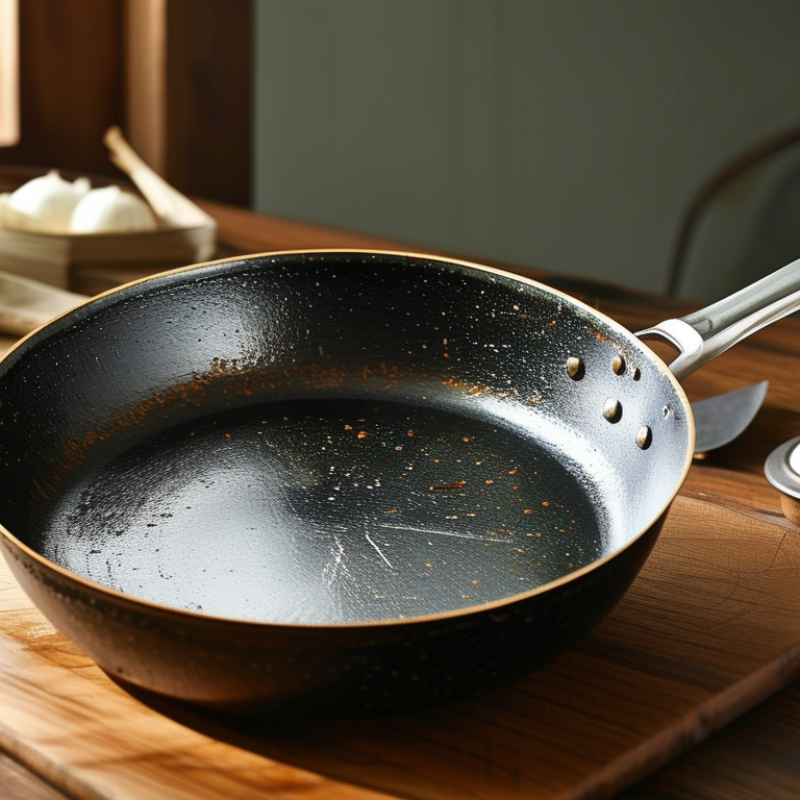
How to Restore Nonstick Cookware Performance Effectively?

Understanding Nonstick Cookware Materials and Coatings

Nonstick cookware is popular in many kitchens. Understanding the materials and coatings is crucial for maintaining their performance. Most nonstick surfaces use PTFE or ceramic coatings. PTFE, commonly known as Teflon, provides a smooth, slippery finish that makes cooking and cleaning easier. Ceramic coatings, on the other hand, are made from natural materials and often boast higher heat resistance. Each type has unique properties that can influence cooking results.

Over time, nonstick coatings can wear down. Excessive heat can cause the surface to break down, leading to food sticking. Scratches from metal utensils can create rough patches. These issues require reflection on our cooking habits. Use wood or silicone utensils for protection. Cleaning should be gentle; abrasive cleaners can harm the surface. If a pan shows wear, consider a replacement. Invest in high-quality options that suit your needs. Understanding these materials ensures you maintain the best cooking experience.

Common Causes of Nonstick Cookware Performance Decline

Nonstick cookware can lose its charm over time. A few common issues contribute to this decline. Scratches and chips often occur due to improper use. Metal utensils can damage the surface. High heat can also break down the nonstick coating, leading to food sticking. Regular wear and tear from dishwashing can cause the surface to deteriorate as well.

Tips: Always use wooden or silicone utensils. This helps prevent scratches and extends the life of your cookware. Store pots and pans carefully to avoid stacking them without protection. Small pads or kitchen towels can cushion them against chips.

Another factor is the build-up of grease and food residue. If not cleaned properly, this can affect nonstick performance. Over time, the nonstick coating may lose its effectiveness. Sometimes, you need to reevaluate your cleaning routine. Avoid using abrasive sponges or harsh chemicals. Instead, opt for gentle cleaning solutions.

Tips: Soaking the cookware in warm soapy water before cleaning can help lift stubborn residue. Consider wiping down the surface with a paper towel after each use to maintain its nonstick qualities. These small changes can lead to significant improvements.

Effective Cleaning Techniques for Restoring Nonstick Surfaces

Restoring nonstick cookware can be an effective way to extend its life. Many people underestimate the power of proper cleaning techniques. Start by using warm soapy water to gently scrub the surface. A non-abrasive sponge is essential here. Avoid metal utensils, as they can scratch the surface. The goal is to remove food residues without damaging the coating.

For tougher stains, a baking soda paste can work wonders. Mix baking soda with a bit of water to create a thick paste. Apply it to the affected areas and let it sit for 15-20 minutes. Then, scrub lightly and rinse thoroughly. This method is reliable for restoring the nonstick layer. However, avoid using harsh chemicals that can ruin the surface over time.

Another common mistake is neglecting to dry the cookware properly. Moisture can cause future sticking issues. After cleaning, dry the pan with a soft cloth. This simple step can help retain the nonstick quality. While these techniques are effective, they require a bit of patience and care. Remember, prevention is key. Regular maintenance is better than trying to restore heavily damaged cookware.

Preventive Measures to Extend the Lifespan of Nonstick Cookware

Nonstick cookware can make cooking a breeze. However, caring for it is essential to maintain its performance. Studies show that the average lifespan of nonstick pans is about five years. With intentional care, you can significantly extend their usability.

One key preventive measure is to avoid using metal utensils. They can scratch the surface, leading to reduced nonstick capability. Instead, opt for wood or silicone tools. This simple adjustment can help preserve the coating. Additionally, always wash nonstick cookware by hand using mild detergents. A recent industry report found that using the dishwasher can degrade the nonstick surface over time, cutting its life short.

Temperature management is also critical. Heating nonstick pans above 500°F can release harmful fumes. Keeping the heat on medium or low prevents damage. Storing cookware carefully is vital too. Placing a soft cloth between each piece can prevent scratches and peeling. While these tips seem straightforward, many people overlook them. A little extra effort can lead to longer-lasting, effective nonstick cookware.

How to Restore Nonstick Cookware Performance Effectively? - Preventive Measures to Extend the Lifespan of Nonstick Cookware

Measure Description Frequency
Gentle Cleaning Use soft sponges instead of abrasive cleaners. After each use
Proper Heating Avoid high heat to prevent damage. Always
Use Silicone Utensils Prevents scratching on the surface. Always
Regular Inspection Check for scratches or peeling. Monthly
Storage Care Use cloth or paper between stacked cookware. Always
Re-seasoning Apply a thin layer of oil and heat to refresh nonstick properties. Every few months

Alternative Treatments for Severe Nonstick Wear and Tear

Nonstick cookware can lose its charm over time. Extreme wear often leads to food sticking, making cooking a challenge. To combat severe deterioration, consider alternative treatments that restore some functionality without needing replacements.

One effective method involves using baking soda. Create a paste by mixing baking soda with water. Apply this mixture to the worn surfaces and scrub gently with a soft sponge. Rinse thoroughly to avoid residues that could affect food flavor. This method can enhance the cooking surface slightly but won’t restore it fully.

Another approach involves using natural oils. Heat some vegetable oil on the nonstick surface for a few minutes. Allow it to cool and wipe away any excess. The oil can fill in minor scratches and improve performance temporarily. However, this method is not perfect. Over time, oil can make the surface a bit sticky or cause a rancid smell if not cleaned properly. Regular maintenance and proper usage can prolong the life of even the most worn cookware.

FAQS

: How can I prolong the lifespan of my nonstick cookware?

: Avoid using metal utensils. Use wood or silicone instead. This helps prevent scratching the surface.

What is the average lifespan of nonstick pans?

Nonstick pans typically last around five years with proper care.

Can I use a dishwasher to clean nonstick cookware?

No, hand wash with mild detergents. Dishwashers can degrade the coating over time.

What temperature should I avoid when cooking with nonstick pans?

Do not heat nonstick pans above 500°F. It can release harmful fumes.

What can I do for severe wear on nonstick cookware?

Try a baking soda paste. Apply it to the surface and scrub gently with a soft sponge.

Are there alternative methods to treat nonstick cookware?

Yes, using natural oils can temporarily improve performance but may lead to stickiness.

Why is storing nonstick cookware properly important?

Storing them with a soft cloth between pieces prevents scratches and peeling.

Can regular maintenance help with old cookware?

Yes, proper usage and regular care can extend the life of worn cookware significantly.

Is there a risk of using oil on nonstick surfaces?

Yes, oil can cause stickiness or a rancid smell if not cleaned correctly after use.

What is a common mistake people make with nonstick cookware?

Many overlook simple care tips like avoiding metal utensils and proper cleaning methods.

Conclusion

In "How to Restore Nonstick Cookware Performance Effectively," the article delves into essential aspects of maintaining and rejuvenating nonstick cookware. It begins with a thorough understanding of the materials and coatings used in these utensils, followed by a discussion of common issues that lead to a decline in their performance. Effective cleaning techniques are highlighted to help users reclaim the functionality of their nonstick surfaces, while preventive measures are presented to ensure longevity and sustained performance. Additionally, the article suggests alternative treatments for cases of severe wear and tear, providing readers with comprehensive solutions on how to restore nonstick cookware performance to its optimal state.

Mason

Mason

Mason is a seasoned marketing professional with a deep expertise in the company's offerings and a passion for driving brand awareness. With a strong background in digital marketing strategies, he has an innate ability to connect with diverse audiences and effectively communicate product benefits.......