What Cookware is Safest for Your Health and Cooking?

Time:2026-08-02 Author:Charlotte
0%

Choosing the right cookware can significantly impact your health. Many people wonder, "what cookware is safest for health?" Experts emphasize the importance of non-toxic materials. Chef and health advocate Dr. Emily Lawson states, "Safe cookware allows us to enjoy cooking without worry."

Research shows that traditional non-stick pans may release harmful chemicals when overheated. According to a recent study by the Food Safety Consortium, nearly 70% of consumers are concerned about the safety of their cookware. While stainless steel and cast iron are considered safe, some brands may still contain harmful coatings.

Understanding the materials used in cookware is essential. Consumers must reflect on their choices. Not all cookware labeled as safe meets stringent health standards. Engaging with reliable sources and expert opinions can help you make informed decisions. Stay mindful of the impact your cookware has on your cooking and overall health.
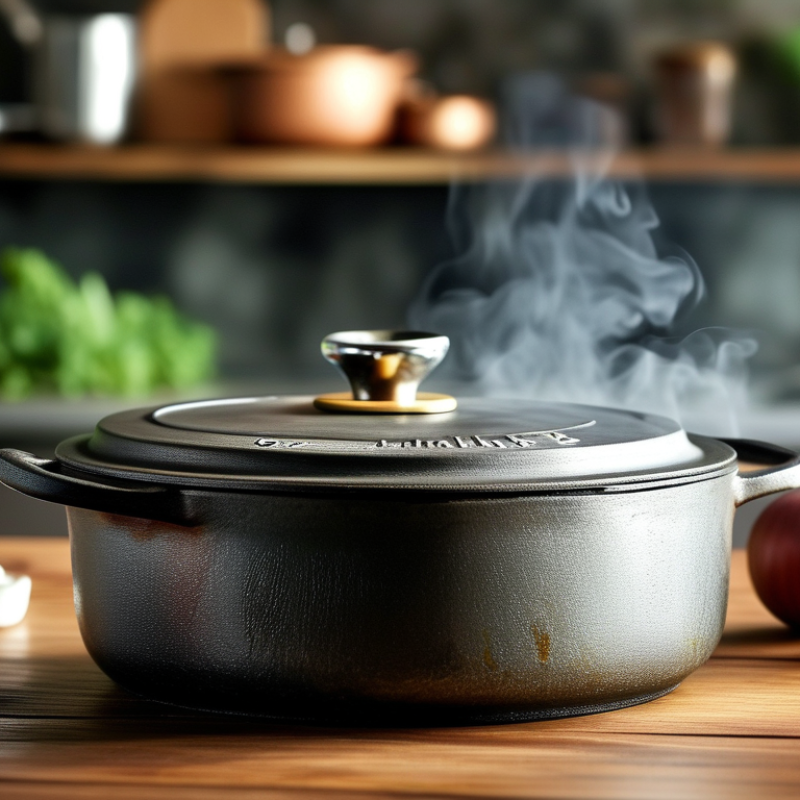
What Cookware is Safest for Your Health and Cooking?

Types of Cookware and Their Health Implications

When evaluating cookware, it’s crucial to consider health implications. Certain materials can leach toxins into food. For example, aluminum can react with acidic foods, potentially leading to health risks. Non-stick pans often contain chemicals that can emit harmful fumes when overheated. These risks spark debates among health experts.

Stainless steel is a common choice, known for its durability. It doesn’t leach chemicals. However, the quality varies, and some lower-grade options may contain nickel or chromium. Cast iron, on the other hand, is excellent for those seeking seasoned flavor. Yet, it can rust and requires maintenance. It’s essential to weigh the benefits versus the care it demands.

Ceramic cookware is often praised for its non-toxic properties. But not all ceramic options are equal. Some have a coating that may not withstand high heat. Glass cookware offers a safe alternative, but it’s fragile and can break easily. Reflecting on these materials can guide better choices for health-conscious cooking.

Non-Stick Cookware: Safety Concerns and Alternatives

Non-stick cookware is a common choice in many kitchens, but it raises safety concerns that deserve attention. Traditional non-stick surfaces often contain chemicals that can leach into food when exposed to high heat. This is troubling, given the potential health risks associated with these chemicals. Research has suggested a link between certain non-stick coatings and health issues. It's important for cooks to be aware of these risks when selecting cookware.

Fortunately, there are safer alternatives available. Stainless steel and cast iron are popular options that do not contain harmful chemicals. They provide excellent heat distribution and are durable. However, they require different cooking techniques. For instance, sautéing in stainless steel demands more attention to prevent sticking. Ceramic-coated pans are another alternative, offering a non-stick surface without toxic chemicals. Yet, they may not be as durable as traditional non-stick options, which can lead to wear and tear over time.

Choosing the right cookware involves weighing the benefits and drawbacks. Many cooks may find themselves navigating these complexities. It's essential to stay informed about the materials used in cookware to make educated choices for health and culinary success.

What Cookware is Safest for Your Health and Cooking?

Cookware Type Material Safety Rating Key Concerns Alternatives
Non-Stick PTFE, PFOA Moderate Potential release of harmful chemicals at high temperatures Ceramic non-stick, Cast iron
Stainless Steel Stainless Steel High None significant N/A
Cast Iron Cast Iron High Heavy, requires maintenance to avoid rust Enameled cast iron
Aluminum Aluminum Moderate Possible leaching of aluminum into food Anodized aluminum
Copper Copper High May react with acidic foods, requires lining Copper-clad stainless steel

Choosing Stainless Steel vs. Cast Iron for Cooking Safely

When it comes to choosing cookware, health and safety are top priorities. Stainless steel is a popular option. It is durable and resistant to rust. Studies indicate that it can withstand high temperatures without leaching harmful substances into food. According to the American Institute for Cancer Research, using stainless steel minimizes chemical interactions that could arise from cooking.

Cast iron cookware offers unique benefits as well. It naturally adds iron to your food, which is beneficial for many people. Researchers at the Harvard T.H. Chan School of Public Health note that cast iron can double as a source of dietary iron. However, it’s essential to maintain the seasoning of cast iron to prevent rusting, which can compromise its safety.

Many home cooks appreciate the versatility of both materials. Yet, concerns sometimes arise over the transition between different cooking methods. For instance, stainless steel may not perform as well with acidic foods compared to cast iron, which can enhance flavor. Ensuring that you understand the nuances of each type will lead to safer cooking practices. The decision ultimately requires reflection on individual cooking habits and nutritional needs.

The Role of Heat Resistance in Cookware Materials

When selecting cookware, heat resistance is a significant factor that impacts both safety and cooking performance. Materials like stainless steel and cast iron are known for their excellent heat resistance. These metals can withstand high temperatures without warping. This durability is essential for various cooking techniques, including searing and frying.

However, not all heat-resistant cookware is created equal. Some materials may release harmful chemicals when exposed to extreme heat. For example, non-stick coatings can degrade and emit toxic fumes if overheated. It’s crucial to understand the limitations of each material and avoid using them at temperatures beyond their recommended range. You may find that a favorite pan warps after repeated high-heat use, which raises questions about its longevity and effectiveness.

Choosing the right cookware involves a balance of heat resistance and material safety. It’s vital to read labels and understand the properties of what you’re using. Some popular cookware options may not be suitable for high-temperature recipes. Learning about the heat tolerance of each type not only enhances your cooking but also ensures that you are creating a healthier meal environment. Consider making gradual changes to your cookware collection to improve your cooking experience.

What Cookware is Safest for Your Health and Cooking?

This chart illustrates the heat resistance of various cookware materials, highlighting their safe cooking temperature ranges. Materials with higher heat resistance are generally safer for health, as they are less likely to leach harmful substances into food.

Eco-Friendly Cookware Options for Health-Conscious Consumers

When it comes to eco-friendly cookware, health-conscious consumers have numerous options. Choosing safe materials is vital for your health and the environment. Stainless steel, cast iron, and glass are popular choices. They don't leach harmful chemicals into food. These materials are durable and can last a lifetime with proper care.

However, it’s essential to consider the drawbacks. Cast iron requires seasoning. It's heavy and can be tricky for some. Glass cookware can break easily. While these materials are safer, they can be less convenient. Each option has its pros and cons.

For those seeking an alternative, ceramic and bamboo cookware are emerging trends. Ceramic offers a non-stick surface without harmful chemicals, but it can chip. Bamboo is lightweight and sustainable but may not withstand high heat. Each option demands some consideration and reflection. Exploring these eco-friendly choices is a step towards healthier cooking.

FAQS

: What are the main safety concerns with non-stick cookware?

: Non-stick cookware can leach harmful chemicals into food at high heat, raising health risks.

What are safer alternatives to traditional non-stick cookware?

Stainless steel, cast iron, and ceramic-coated pans are safer options without toxic chemicals.

How does heat resistance affect cookware choice?

Heat resistance is crucial, as some materials can warp or release harmful substances when overheated.

Can I use stainless steel and cast iron like non-stick pans?

They require more attention to prevent sticking compared to non-stick pans.

Are ceramic-coated pans durable?

They provide a non-stick surface but may not be as durable as traditional non-stick options and wear over time.

Why is it important to read labels on cookware?

Understanding material properties ensures you choose safe options suitable for cooking techniques and heat.

What happens if I overheat non-stick cookware?

Overheating can cause coatings to degrade and emit toxic fumes, making them unsafe to use.

How can I improve my cooking experience?

Gradually change your cookware collection for better safety and performance while cooking.

Is all heat-resistant cookware safe?

No, some heat-resistant materials may still release harmful chemicals at high temperatures.

What cooking techniques benefit from durable cookware?

Techniques like searing and frying require heat-resistant materials like stainless steel and cast iron.

Conclusion

When considering what cookware is safest for health, it's essential to explore various materials and their implications. Different types of cookware, including non-stick options, stainless steel, and cast iron, offer unique health considerations. Non-stick cookware has raised safety concerns due to the potential release of harmful chemicals when overheated, prompting consideration of alternatives. Stainless steel and cast iron are often regarded as safer choices, providing excellent heat resistance and durability.

Moreover, eco-friendly cookware options have emerged for health-conscious consumers seeking sustainable solutions without compromising safety. Prioritizing cookware that withstands high temperatures without leaching harmful substances is crucial. Ultimately, making informed decisions about cookware materials can significantly contribute to healthier cooking practices.

Charlotte

Charlotte

Charlotte is a seasoned marketing professional with a deep understanding of the company's portfolio and a passion for elevating its presence in the market. With a keen eye for detail and a commitment to excellence, she ensures that our professional blog is regularly updated with insightful articles......