Cookware is an essential part of any kitchen. It helps prepare delicious meals, but scratches can quickly ruin its appearance and functionality. Knowing how to prevent scratches on cookware is crucial for extending its lifespan and maintaining its performance. With the right care and strategies, your pots and pans can stay in excellent condition.
Many people overlook the importance of proper care. A scratched surface can lead to uneven cooking and food sticking, which defeats the purpose of high-quality cookware. Choosing the right utensils and cleaning methods can make a significant difference. Consider using wooden or silicone tools instead of metal. Be cautious when stacking your cookware, as this can cause unwanted scratches.
Making a few simple changes to your cooking routine can greatly enhance your cookware’s durability. Regularly inspect your pots and pans for any signs of wear. Reflect on your cooking habits and make adjustments. By learning how to prevent scratches on cookware, you ensure that your kitchen tools serve you well for years to come.
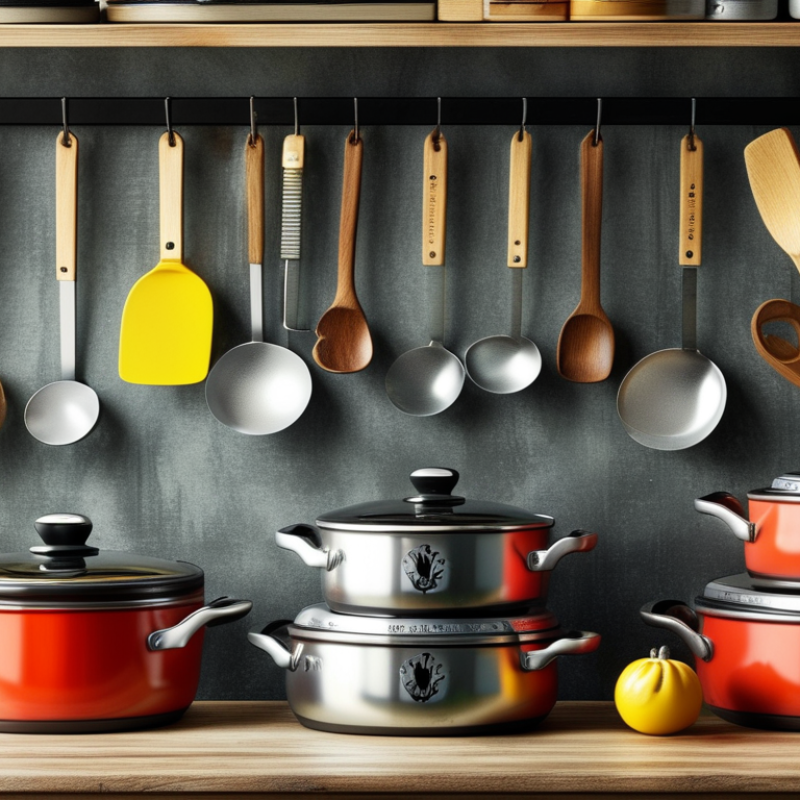
Proper cookware care and maintenance are essential for ensuring longevity and optimal performance. According to a report from the International Cookware Association, proper care can extend the lifespan of cookware by up to 50%. Many people underestimate this, contributing to premature wear and tear. Scratches not only affect the visual appeal but can also compromise cooking efficiency.
Regular cleaning is critical. Avoid abrasive cleaners that can damage surfaces. Instead, opt for soft sponges and mild detergents. A study from Consumer Reports notes that scratched cookware often leads to uneven cooking. This inconsistency can be frustrating and wasteful, especially when preparing delicate dishes. It is also worth noting that improper stacking can lead to unwanted scratches.
Using utensils that are compatible with your cookware type is vital. Metal utensils can severely damage non-stick surfaces. This might seem minor, but it affects the quality of your meals. In contrast, silicone or wooden utensils are safer choices. Many enthusiasts forget that even slight carelessness can result in long-term damage. Thus, being mindful of how we handle our cookware is imperative for maintaining its integrity.
When it comes to preserving your cookware, choosing the right utensils is crucial. Many cooking enthusiasts underestimate the impact of tools on their pots and pans. According to industry research, nearly 30% of cookware damage is attributed to improper utensil use. Selecting high-quality and suitable utensils can significantly extend the life of your kitchen gear.
Opt for utensils made from materials like silicone, wood, or nylon. These materials are gentle on surfaces and reduce the risk of scratches. Avoid metal utensils, especially on non-stick cookware. While they may seem durable, they can create deep scratches that compromise the cooker's integrity. Consider a set of high-heat silicone spatulas instead. They not only protect your pans but also work well with various cooking methods.
Remember, even with the best utensils, it’s essential to handle cookware with care. Don’t stack pans without protection, as this can lead to scratches. Regularly inspect your utensils for wear and discard any that show signs of damage. It’s a small effort that pays off in the longevity and appearance of your cookware. Experts suggest regularly maintaining your utensils to avoid unexpected kitchen disasters.
When it comes to cleaning cookware, proper techniques are vital. Using a soft sponge or microfiber cloth can significantly reduce the risk of scratches. Research from the Kitchenware Manufacturers Association indicates that nearly 70% of cookware damage results from improper cleaning. It’s essential to avoid steel wool or abrasive cleaners, as these can harm non-stick and stainless steel surfaces.
Storing cookware correctly is equally crucial. Hanging pots and pans helps prevent scratches. Alternatively, stacking cookware can lead to scratches if not done carefully. Using protective mats or cloths between stacked items can be effective. A survey conducted by the American Home Cooking Institute revealed that 55% of respondents reported scratching their cookware due to improper storage methods. Remember, even minor scratches can lead to bigger issues, such as decreased cooking efficiency and food sticking during preparation.
Transitioning from cleaning to storage, simplicity matters. Ensure your cookware is dry before storage to prevent rust and staining. Regular inspections can reveal early signs of wear. Cookware longevity relies on how we treat it. Your usage habits today impact its performance tomorrow.
High heat can significantly impact the longevity of your cookware. Exposure to extreme temperatures causes warping and discoloration. This damage reduces the cookware's effectiveness over time. Avoid using high heat settings when cooking. Instead, opt for medium or low temperatures to preserve the material integrity of pots and pans.
Additionally, consider the cookware material you are using. Non-stick surfaces are especially vulnerable to scratching and degradation with high heat. Metal tools can exacerbate this issue. A gentle touch goes a long way. Always use wooden or silicone utensils to extend the life of your cookware.
Cooking habits also play a crucial role in maintaining your pots and pans. Regularly checking temperature settings can help prevent damage. However, people sometimes forget and leave burners on high. It's essential to remain mindful during cooking. After all, a small oversight can lead to big consequences for your beloved cookware.
Regular inspection and prompt repair of cookware damage is essential to maintaining your kitchen essentials. A study by the American Culinary Federation reveals that proper upkeep can extend the lifespan of cookware by up to 50%. Identifying scratches early can prevent further deterioration. Check your pots and pans for signs of wear regularly, especially the cooking surfaces. If you see any scratches, address them immediately to avoid exposure to harmful materials.
Preventing scratches is a proactive approach. Use wooden or silicone utensils to minimize damage. Be cautious with metal tools, as they can create deep grooves in non-stick coatings. Always store your cookware with care, ensuring that they do not touch each other. Utilizing dividers or cloth can provide extra protection. You should also avoid using abrasive cleaners that can wear down surfaces over time.
Understanding the materials in your cookware is crucial. Different materials respond differently to wear and tear. For instance, stainless steel may show less visible damage compared to non-stick surfaces. Regularly inspecting and maintaining cookware can save you money in the long run, eliminating the need for replacements. Inspect those cooking surfaces. Small actions lead to significant changes. Taking care of cookware is important.
: Proper care can extend cookware's lifespan by up to 50%. This reduces wear and tear over time.
Use soft sponges and mild detergents. Avoid abrasive cleaners that can harm surfaces and lead to scratches.
Opt for wooden or silicone utensils. Metal utensils can damage non-stick surfaces and affect food quality.
Hang pots and pans or stack with protective mats. This helps avoid scratches from contact.
Regular inspections are crucial. Check for scratches and wear to prevent further damage and maintain efficiency.
Minor scratches can lead to bigger issues, like food sticking and decreased cooking performance. Prompt attention is needed.
No. Different materials require specific care. For example, stainless steel can handle different methods compared to non-stick surfaces.
Improper storage can lead to scratches. A survey shows 55% of people report damage from stacking without protection.
Look for scratches, rust, or discoloration. Early detection can save you money and prevent replacement needs.
Be mindful with utensils and cleaning methods. Small, consistent changes can significantly impact cookware longevity.
To effectively learn how to prevent scratches on cookware, it's essential to prioritize proper care and maintenance. This includes selecting the right utensils that are safe for your cookware materials, ensuring they are non-abrasive and suitable for non-stick surfaces. Regularly inspecting your cookware for any signs of damage and addressing issues promptly can significantly extend its lifespan.
Moreover, adopting safe cleaning techniques and proper storage methods can further mitigate the risk of scratches. It's crucial to avoid exposing your cookware to high heat, as this can not only lead to damage but also affect its longevity. By adhering to these strategies, you can maintain the pristine condition of your cookware and enjoy cooking without the worry of scratches.

Eartha Cookware