7 Best Answers What Causes Ceramic Coating to Wear Out?

Time:2026-10-01 Author:Oliver
0%

Ceramic coatings promise gloss, chemical resistance, and easier cleaning. They do not promise immortality. So, what causes ceramic coating to wear out? The answer usually involves ultraviolet exposure, acidic contamination, abrasive washing, poor preparation, and neglected maintenance. Heat cycles also matter. A black hood can become extremely hot under direct summer sunlight, then cool rapidly after washing. Repeated expansion and contraction can gradually weaken the coating’s bond.

Industry research supports this cautious view. Grand View Research identifies automotive use as a major ceramic-coatings application, while technical guidance from ASTM International and AMPP emphasizes surface preparation, adhesion, chemical exposure, and environmental durability. These reports do not prove that every coating lasts equally. They reveal a more important point: durability depends on formulation, application quality, and operating conditions. Real-world maintenance is messier than brochures suggest.

Detailing educator Mike Phillips offers a useful warning: “A ceramic coating is not a substitute for proper maintenance.” That statement reflects workshop experience. Bird droppings left beneath hot sunlight can leave dull marks. Road salt can collect around badges and panel gaps. A dirty wash mitt may drag grit across the surface like sandpaper. Harsh degreasers can also reduce performance over time, even when the coating still looks shiny.

This guide examines seven practical answers to what causes ceramic coating to wear out. It separates genuine coating failure from temporary contamination, weak water behavior, and careless washing. Some conclusions remain conditional. Product chemistry differs. Climate differs. Owner habits differ. Those details deserve honest attention before anyone promises a fixed lifespan.
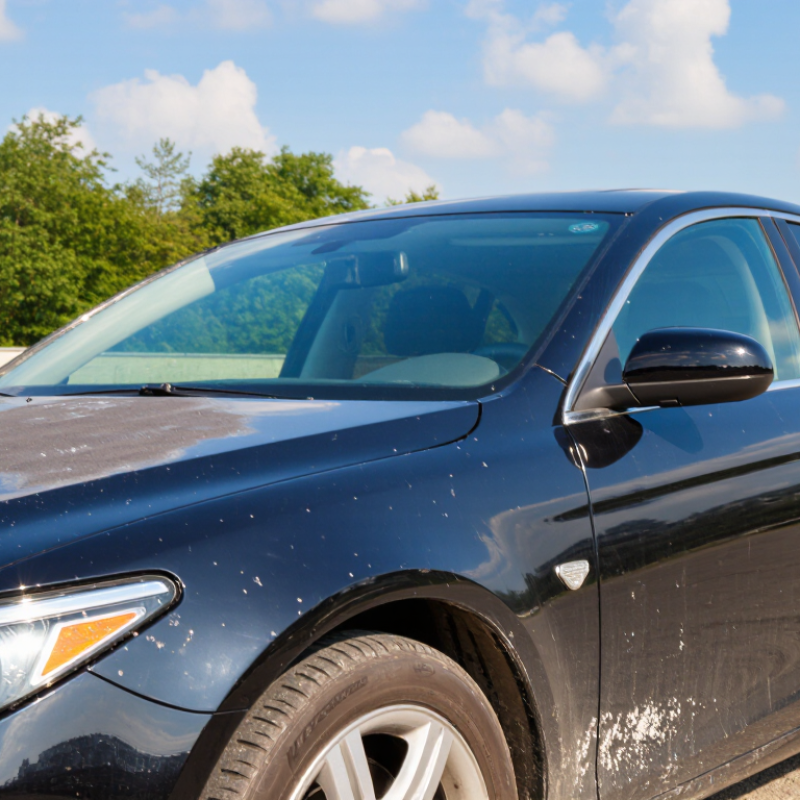
7 Best Answers What Causes Ceramic Coating to Wear Out?

What Ceramic Coating Is and How It Protects a Surface

A ceramic coating is a liquid polymer that bonds with a properly prepared surface. After curing, it forms a thin, transparent protective layer. This layer does not replace the original paint or material. It works above it.

Its dense structure helps reduce direct contact with water, dust, road film, and oily residues. Water gathers into beads and often slides away more easily. This makes routine cleaning faster and can reduce staining. The coating may also improve gloss and offer limited resistance to ultraviolet exposure and chemical contamination. It is not a shield against every scratch.

Real-world inspections show that preparation matters greatly. Tiny particles, old wax, or moisture beneath the coating can weaken bonding. Bird droppings, tree sap, road salt, and harsh cleaners may slowly damage the surface. Frequent automatic brushing can create abrasion too. Keep washing gentle. Use clean microfiber tools and remove contamination promptly.

Ceramic coatings wear out gradually, not like a switch turning off. Weak beading can be an early warning, but it is not perfect proof of failure. Sometimes residue simply hides the coating’s performance. I have found this easy to overlook during maintenance checks. Curing conditions, driving exposure, washing habits, and application thickness all affect service life. A careful inspection should consider these details before blaming the coating itself.

The Seven Main Causes of Ceramic Coating Wear

7 Best Answers: What Causes Ceramic Coating to Wear Out?

The Seven Main Causes of Ceramic Coating Wear

In my detailing inspections, ceramic coating rarely fails from one problem alone. The first cause is poor paint preparation. Oil, wax, or embedded dirt can prevent proper bonding. The second cause is harsh washing, especially with stiff brushes or gritty sponges. The third is strong chemicals, including acidic cleaners and overly alkaline detergents. Frequent misuse slowly weakens the surface.

The fourth cause is intense sunlight and repeated heat cycles. UV exposure can reduce gloss over time. The fifth is road contamination, such as bird droppings, tree sap, salt, and industrial fallout. These deposits become more aggressive when left for days. The sixth cause is abrasion from automatic brushes, dirty towels, and dry wiping. Ceramic coatings resist damage, but they are not scratch-proof. The seventh is incorrect application or insufficient curing. Poor temperature control, rushed installation, or early water exposure can create weak areas. I have seen this happen, and the finish may look perfect at first.

Tips: Wash with clean microfiber tools and plenty of lubrication. Remove bird droppings quickly. Use mild, coating-safe soap. Dry gently. Avoid wiping dusty paint. Inspect the surface every few months, because small neglected marks can become difficult repairs. Even careful owners miss something. That is normal, but it deserves correction.

How Environmental Conditions Break Down Ceramic Coating

Ceramic coating usually wears out through repeated environmental stress, not one dramatic event. Strong ultraviolet light slowly weakens exposed organic components and can reduce gloss over time. High temperatures make the coating and paint expand, while cool nights make them contract. These constant cycles can create microscopic stress in the protective layer.

Moisture brings another problem. Rainwater leaves minerals behind when it evaporates, forming stubborn water spots. Road salt attracts moisture and can remain active on the surface for days. Acidic rain, bird droppings, and insect residue may etch the coating if they sit under direct sunlight. They look harmless at first. They are not.

Dust and sand can also shorten the coating’s useful life. Rubbing a dry, dirty surface creates tiny scratches and weakens the outer finish. I once underestimated how quickly coastal air could leave salt on a parked vehicle. That assumption was wrong. Gentle washing, prompt removal of contaminants, shade, and periodic inspections help reduce damage. Still, no coating is permanent, and harsh conditions may demand more frequent care than the installer’s original estimate.

How Washing and Maintenance Mistakes Reduce Coating Life

Ceramic coatings rarely fail in one dramatic moment. More often, poor washing slowly removes their protective behavior. Grit trapped in a dirty mitt creates fine scratches and weakens the surface. Automatic brushes can add thousands of small impacts over time. Harsh alkaline cleaners may also reduce slickness when used too frequently.

Water pressure matters, but technique matters more. The U.S. Environmental Protection Agency reports that washing with a running hose can use more than 100 gallons per vehicle. Professional wash facilities often use about 43 gallons per vehicle, according to the International Carwash Association’s water-use research. Less water does not automatically mean safer cleaning. Reused wash water, strong chemicals, or dirty towels can still contaminate the coating. A clean rinse bucket helps. So does drying with a soft, dedicated towel before mineral spots form.

Maintenance mistakes are easy to overlook. Parking beneath trees exposes the coating to acidic bird residue and sticky sap. Leaving these deposits overnight can create stubborn marks, especially under strong sunlight. I have seen owners blame coating failure when neglected contamination was the real cause. That assumption deserves reconsideration. ASTM adhesion tests measure controlled laboratory performance, not unlimited resistance to abrasion or chemicals. Wash gently every one or two weeks, remove contamination quickly, and avoid aggressive polishing unless measured correction is necessary. The coating is durable, not indestructible.

Signs of Failure and Ways to Extend Ceramic Coating Durability

Ceramic coating rarely disappears overnight. Its protection weakens through UV exposure, road salt, acidic deposits, harsh detergents, and repeated abrasion. Poor paint preparation can shorten its life before installation even begins. Tiny scratches and embedded grit create weak areas. Frequent automatic brush washing accelerates this damage.

A fading water bead is an early warning, not definite proof. Mineral film can hide the coating’s water behavior. Wash and chemically decontaminate the panel before judging its condition. If the surface remains dull, grabby, or patchy, the coating may be failing. Uneven drying after rain is another useful clue. A professional inspection can separate contamination from genuine wear. This distinction matters. Unnecessary polishing may remove healthy coating.

Gentle maintenance extends durability. Use a pH-neutral shampoo, clean water, and separate microfiber towels for paint and wheels. Wash in the shade, then dry promptly to reduce water spots. Avoid stiff brushes, strong degreasers, and abrasive polishing unless a trained technician recommends them. Inspect the paint every few months, especially after winter driving or long highway trips. A compatible maintenance product may restore slickness, but it cannot repair a damaged layer. I have seen owners blame the coating when neglected deposits caused the problem. That assumption is understandable, but sometimes wrong. Consistent care remains less exciting than repair, yet it usually costs less.

What Causes Ceramic Coating to Wear Out?

Typical service-life estimates under different exposure and maintenance conditions. UV radiation, chemical contamination, abrasion, and poor maintenance can accelerate coating failure.

Typical lifespan ranges are based on commonly reported ceramic-coating performance conditions. Actual durability varies with coating formulation, surface preparation, climate, driving habits, and maintenance quality.

FAQS

What is a ceramic coating?

It is a liquid polymer that bonds with a prepared surface. After curing, it forms a thin, transparent layer above the original material.

How does ceramic coating protect a surface?

Its dense structure reduces direct contact with water, dust, road film, and oily residue. Water forms beads and often slides away more easily.

Does ceramic coating prevent scratches?

No. It offers limited protection against light contamination and some surface damage. It is not scratch-proof.

Why is surface preparation important?

Oil, old wax, moisture, and embedded dirt can weaken bonding. A clean, dry surface gives the coating a better foundation.

What washing habits can wear out the coating?

Stiff brushes, gritty sponges, dirty towels, and dry wiping can create abrasion. Use clean microfiber tools and plenty of lubrication.

Which contaminants should be removed quickly?

Bird droppings, tree sap, road salt, and industrial fallout may damage the surface. Remove them before they remain for several days.

Can strong cleaners damage ceramic coating?

Yes. Acidic cleaners and overly alkaline detergents can slowly weaken the coating. Mild, coating-safe soap is a safer choice.

How does sunlight affect the coating?

Intense ultraviolet exposure and repeated heat cycles may reduce gloss over time. The effect usually develops gradually.

How can someone tell when the coating is wearing out?

Weak water beading may provide an early warning. However, residue can hide performance, so beading alone is not perfect proof.

What causes early coating failure after application?

Incorrect thickness, poor temperature control, rushed installation, or early water exposure can create weak areas. The surface may look perfect at first.

Conclusion

Ceramic coating is a thin protective layer that bonds to a surface and helps resist dirt, water, oxidation, UV exposure, and minor chemical damage. However, what causes ceramic coating to wear out includes prolonged sunlight, extreme temperatures, road salt, acidic contaminants, bird droppings, industrial pollution, and repeated contact with abrasive materials. These environmental factors can gradually weaken the coating’s protective properties and reduce its gloss, water repellency, and resistance to stains.

Improper washing and maintenance can also shorten coating life. Harsh cleaners, rough brushes, automatic washing equipment, and allowing contaminants to remain on the surface may create unnecessary wear. Common signs of failure include reduced water beading, dullness, increased contamination, and a surface that becomes harder to clean. Regular gentle washing, prompt removal of harmful deposits, suitable maintenance products, and occasional professional inspections can help extend durability and preserve the coating’s protective performance.

Oliver

Oliver

Oliver is a seasoned marketing professional with a wealth of expertise in driving brand awareness and engagement. With a deep understanding of our company's product offerings, he consistently delivers high-quality content that enriches our professional blog. His insights not only shed light on......