The debate over "ceramic cookware vs nonstick cookware which is better" continues to gain attention among culinary enthusiasts and homemakers alike. Industry experts predict a shift toward ceramic cookware due to its eco-friendly properties and safety features. A recent report from Market Research Future indicates that the ceramic cookware market is expected to grow by 6% annually through 2026. This increase reflects a growing awareness of health concerns associated with traditional non-stick coatings.
Chef Laura B. Smith, a culinary expert and author, stated, "People are becoming more health-conscious. They want cookware that doesn't leach harmful substances." Her insights highlight the importance of choosing safe materials for daily cooking. Many consumers are still unaware of potential risks linked to non-stick options. Studies reveal that some non-stick coatings can emit toxic fumes when overheated. This sheds light on why ceramic alternatives may be more appealing.
In conclusion, as consumers become increasingly discerning about their cookware choices, the question "ceramic cookware vs nonstick cookware which is better" requires thoughtful consideration. Both options have pros and cons. Ultimately, personal preferences, cooking habits, and health considerations will guide the decision.
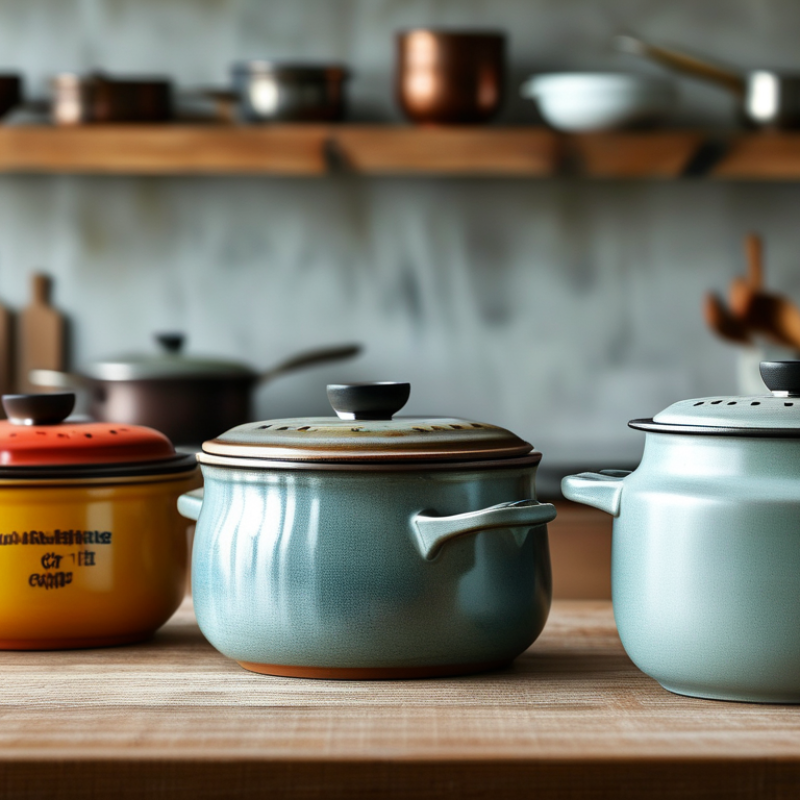
When comparing ceramic and nonstick cookware, several key factors come into play.
Ceramic cookware offers a natural, chemical-free alternative for those conscious about health.
Its surface is generally more scratch-resistant and can withstand higher temperatures.
Cooking with ceramic can create an even heat distribution, leading to improved cooking results.
On the other hand, nonstick cookware has its own advantages.
It’s often lighter and easier to handle.
Food releases easily from nonstick surfaces, making cleanup simple.
However, concerns about the safety of some nonstick coatings persist.
High heat can cause these coatings to break down, releasing harmful fumes.
While both types of cookware have their merits, users need to weigh their priorities.
For those who prioritize safety and the environment, ceramic can be a better choice.
However, for the convenience of easy cooking and cleaning, nonstick may be more appealing.
Understanding these nuances will help in making an informed decision.
When considering cookware options, health safety is crucial. Ceramic cookware has gained attention for being a safer alternative to traditional nonstick options. Many nonstick pans contain polytetrafluoroethylene (PTFE), which can release harmful fumes when overheated. The American Cancer Society has raised concerns about these emissions, highlighting potential health risks.
Ceramic cookware, often made from natural materials, avoids these risks. Studies show that ceramic surfaces can withstand higher temperatures without releasing toxic substances. According to a report by the Consumer Product Safety Commission, ceramic cookware does not contain harmful chemicals like PFOA or lead, making it a healthier choice for everyday cooking.
Yet, ceramic cookware isn't without flaws. It can chip or crack over time, which may compromise its safety and cooking performance. Some users report that ceramic cookware can lose its nonstick properties quicker than conventional nonstick pans. Choosing ceramic cookware requires careful consideration of its durability and performance. Balancing safety with practicality is key when selecting the best cookware for your kitchen.
| Feature | Ceramic Cookware | Nonstick Cookware |
|---|---|---|
| Material Safety | Free from PTFE and PFOA | May contain PTFE and PFOA |
| Heat Resistance | Up to 500°F | Around 400°F |
| Durability | Scratch-resistant, can chip | Scratch easily, wears over time |
| Cooking Method | Safely use metal utensils | Use wooden or silicone utensils |
| Nonstick Capability | Naturally nonstick surface | Chemical nonstick coating |
| Environmental Impact | Eco-friendly production | Harmful emissions during manufacturing |
| Price Range | Moderately priced | Varies widely, often cheaper |
Ceramic cookware has gained popularity due to its impressive cooking efficiency and heat distribution. Unlike traditional nonstick pans, ceramic materials offer a more evenly distributed heat across the cooking surface. Research from the Culinary Institute indicates that ceramic cookware can reduce cooking time by up to 20% compared to some nonstick options, which often have hotspots. This uniform heating not only enhances food flavor but also prevents uneven cooking, making it a preferred choice for many culinary enthusiasts.
Moreover, studies show that ceramic cookware can withstand higher temperatures without breaking down. Nonstick coatings can degrade at temperatures above 500°F, releasing harmful chemicals. In contrast, high-quality ceramic cookware maintains safety and integrity at much higher heat levels while ensuring a more stable cooking experience. This capability aligns with findings from the American Cookware Research Group, emphasizing that ceramic's durability brings reassurance in both cooking and health.
However, ceramic cookware is not without its challenges. Users often report that it may require more careful handling to avoid chips and scratches. Moreover, some dishes may stick if not adequately preheated or if not enough oil is used. Balancing these factors is vital as you transition to this type of cookware, thus enhancing your cooking proficiency.
When it comes to cookware, durability and maintenance are essential factors. Ceramic cookware offers a more robust lifespan compared to traditional nonstick options. With proper care, ceramic pans can last for years without significant wear. They resist scratching and can handle higher temperatures. This makes them a preferred choice for many home cooks.
In contrast, nonstick cookware often requires more careful handling. While it's great for easy cleanup, the nonstick coating can wear away. High heat and metal utensils can damage it quickly. Additionally, some users report a decrease in nonstick capability over time. This can lead to frustration in the kitchen.
Ceramic cookware can seem a bit heavy, which might not be ideal for everyone. Some find it bulky when lifting or pouring. Also, maintaining ceramic requires attention. If you use high heat too often, the surface can become discolored. It’s important to find a balance in your cooking style. Ultimately, consider your cooking habits and preferences when choosing between these two options.
When considering cookware, the materials used play a crucial role in environmental sustainability. Ceramic cookware is made from natural substances like clay, which are abundant and less harmful to the planet. In contrast, nonstick options often contain synthetic chemicals, like PTFE, which can release toxic fumes when overheated. These chemicals may persist in the environment and pose health risks.
Using ceramic cookware can reduce waste. It typically lasts longer than traditional nonstick pans. When a ceramic piece finally wears out, it is biodegradable. This contrasts with nonstick pans that often end up in landfills, contributing to environmental pollution. Additionally, ceramic cookware does not leach harmful substances into food, promoting safer cooking practices.
However, we must recognize that ceramic is not flawless. It can chip or crack if mishandled, leading to waste and potential safety issues. It requires careful maintenance to ensure its longevity. Therefore, it's essential to weigh these factors when choosing cookware, as sustainability goes beyond just materials. Understanding these nuances can lead to informed and responsible kitchen choices that benefit both health and the environment.
This chart compares the sustainability of materials used in cookware, focusing on ceramic and nonstick options.
: Ceramic cookware offers even heat distribution, reducing cooking time by up to 20%. This enhances flavor and prevents uneven cooking.
Ceramic can withstand higher temperatures without breaking down. Unlike nonstick coatings, it remains safe and stable beyond 500°F.
Users need to handle ceramic carefully to avoid chips. Some dishes may stick if the pan isn't preheated properly.
Ceramic cookware lasts longer and resists scratching better. Nonstick pans can wear quickly and require special care to maintain their surface.
Some users find ceramic cookware heavy, making it hard to lift or pour. Discoloration can also occur with frequent high heat use.
To prevent sticking, always preheat your pan and use adequate oil. This helps maintain food texture and quality.
Even heat distribution ensures that food cooks uniformly, improving flavor and texture in culinary creations.
Yes, ceramic cookware is versatile but ensure proper cleaning to avoid flavor transfer between different dishes.
Users may struggle with the careful handling required to avoid scratches and maintain performance over time.
Your cooking habits and preferences should guide your choice. High heat cooking may influence the longevity of ceramic cookware.
When considering ceramic cookware vs nonstick cookware which is better, several factors come into play. Both types of cookware offer unique benefits, with ceramic cookware known for its health implications due to the absence of harmful chemicals often found in traditional nonstick surfaces. In terms of performance, ceramic cookware excels in heat distribution, contributing to even cooking, whereas nonstick options may require less oil and prevent food from sticking.
Durability and maintenance also vary; ceramic cookware can chip or crack, while nonstick surfaces can wear down over time, especially with improper care. Additionally, the environmental impact of ceramic cookware tends to be lower, as it is often made from more sustainable materials compared to some nonstick alternatives. Ultimately, the choice between ceramic and nonstick cookware depends on individual cooking habits, preferences, and health considerations.

Eartha Cookware