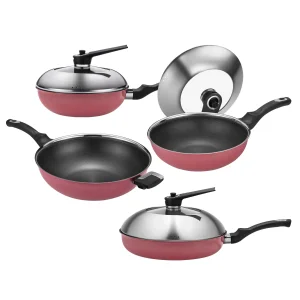
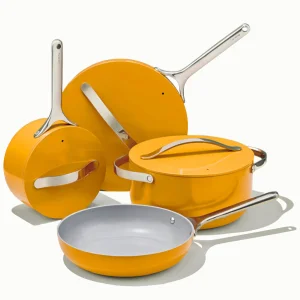
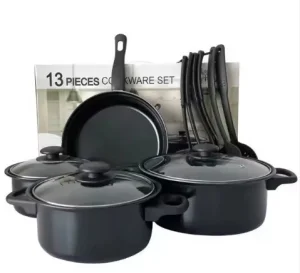
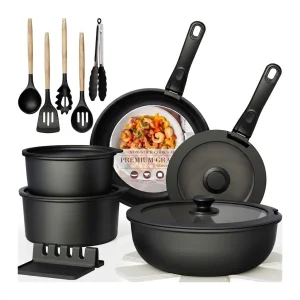
Top 10 Kitchen Utensil Set Suppliers & Exporters

Evaluating Global Industry Leaders, Chinese Production Efficiencies, and B2B Sourcing Strategies in High-Quality Culinary Engineering

Industry Macro Overview

Global Kitchen Utensil & Cookware Commercial Landscape

The global market for kitchen utensil sets and cookware is undergoing a massive paradigm shift. As urbanization trends accelerate globally, consumer demand is rapidly shifting from basic single-purpose cooking implements to integrated, health-conscious, space-saving culinary ecosystems. According to recent industrial market intelligence, the global kitchenware and cookware market size was valued at over USD 16.5 Billion in 2023, and it is projected to grow at a Compound Annual Growth Rate (CAGR) of 6.2% through 2030.

This expansion is largely fueled by the rising popularity of eco-friendly and non-toxic materials. The emergence of regulatory standards targeting persistent pollutants—such as per- and polyfluoroalkyl substances (PFAS-free)—has forced global brands, importers, and commercial kitchens to completely overhaul their sourcing criteria. Consequently, suppliers capable of engineering high-quality ceramic coatings, premium grade stainless steel, and food-safe, high-temperature silicone sets have captured major market shares across North America, Europe, and Asia-Pacific.

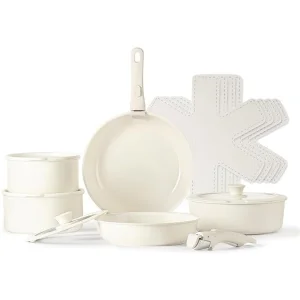
Moreover, the integration of smart cooking technology and modular designs, such as stackable pots and pans with removable handles, is transforming how retailers and B2B buyers approach inventory management and container optimization. For commercial distributors, procurement efficiency is no longer just about the lowest unit cost; it is about finding manufacturing partners who understand global compliance, structural sustainability, and visual aesthetic alignment.
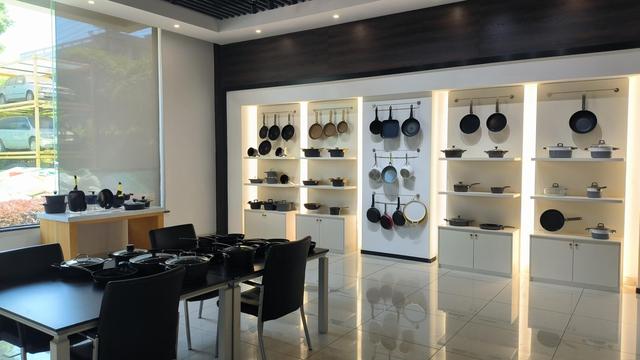
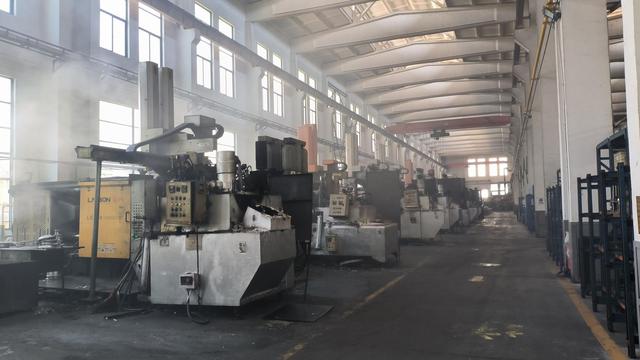
Manufacturing Competitiveness

Why Sourcing from Chinese Ceramic & Nonstick Factories is Highly Efficient

China continues to dominate global exports of kitchen utensil and cookware sets. When analyzing supply chain capabilities, the concentration of materials engineering, advanced die-cast aluminum automation, and chemical coating technology within clusters like Foshan, Guangdong and Yongkang, Zhejiang presents an unrivaled logistical advantage. Factories in these regions leverage integrated raw-material ecosystems to execute ultra-fast turnaround times on OEM and ODM runs.

98.6%
Automation Rate
<25 Days
OEM Lead Time
100%
FDA & LFGB Compliant
45%
Freight Vol Reduction

The structural efficiencies are clear: modern Chinese factories have shifted from labor-intensive assembly to fully computerized, robotic spray systems that apply ceramic and PTFE coatings with micron-level precision. This high degree of precision ensures uniform thermal distribution, optimal nonstick properties, and extremely low scrap rates. In addition, localized proximity to major deep-water ports (such as Shenzhen, Nansha, and Ningbo) facilitates swift outbound logistics, giving global importers a crucial time-to-market advantage.

Core Material Architecture

Critical Procurement Demands: Material & Certifications

PFAS-Free Ceramic Integrity

Utilizing high-density Sol-Gel silicon dioxide coatings that provide a naturally slick cooking surface. Free of PFOA, PTFE, Lead, and Cadmium, matching strict German LFGB and European food contact standards.

Thermal-Shock Durability

Die-cast aluminum core clad with specialized induction-ready magnetic bases. Highly resistant to deformation when subjected to rapid temperature changes, ensuring uniform heating profile.

Ergonomic Space Efficiency

Advanced mechanical coupling systems for removable handles. Exceeds standard structural load fatigue tests while offering up to 50% cabinet space savings and optimal retail packaging density.

Factory & Manufacturer Profile

Foshan Eartha Cookware Co., Ltd.

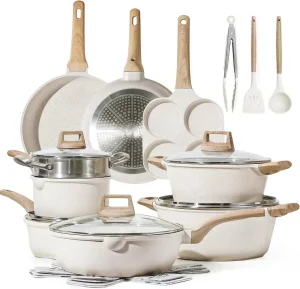
Foshan Eartha Cookware Co., Ltd. is a leading global manufacturer specializing in professional-grade ceramic cookware sets, nonstick kitchen pots, pans, and integrated utensil assemblies. Based in the industrial manufacturing heart of Foshan, Guangdong Province, China, the company possesses extensive resources in design, mechanical engineering, product testing, and international logistics. This holistic integration enables Eartha Cookware to confidently serve retail chains, DTC e-commerce businesses, and global wholesale brands.

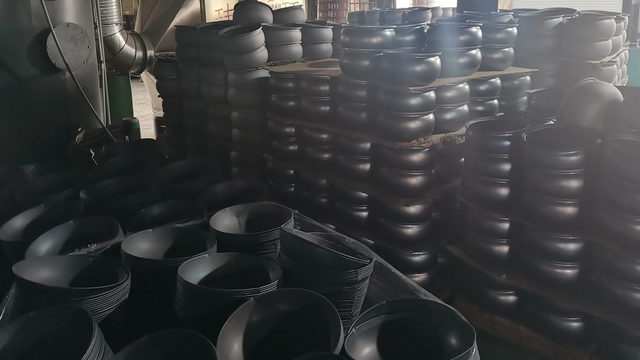
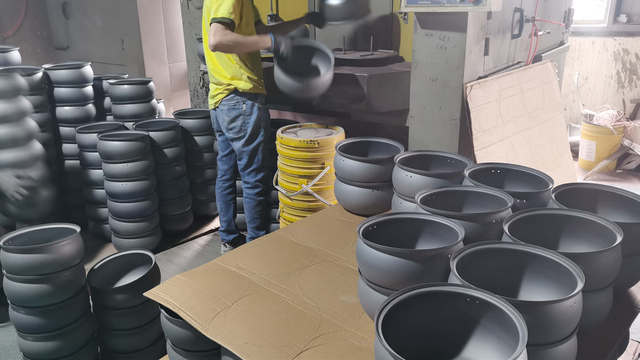
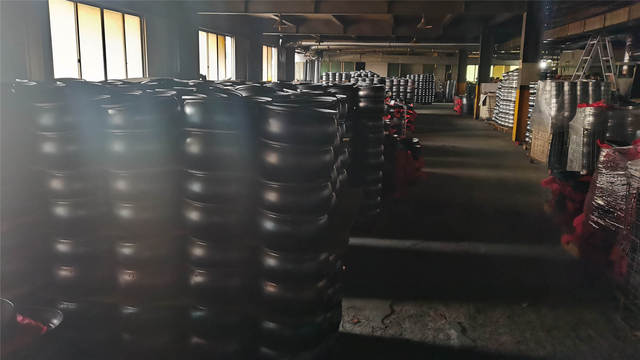
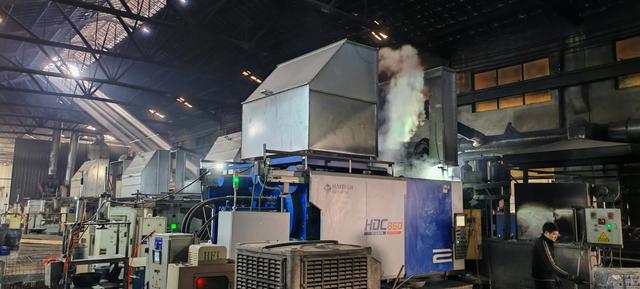
Their expansive factory is equipped with high-capacity automated die-casting presses, computerized coating spray lines, and dedicated quality assurance labs. These facilities conduct rigorous testing protocols—including cross-hatch adhesion, salt-spray chemical resistance, thermal cycle longevity, and physical drop tests. The entire product lineup adheres strictly to international compliance requirements, maintaining certified approvals for BSCI, LFGB, FDA, and ISO 9001.

Recognizing the diverse requirements of different regional markets, Foshan Eartha Cookware Co., Ltd. provides robust OEM and ODM customization services. From adjusting coating thickness and base thickness to creating bespoke color schemes, engineering custom ergonomic handle attachments, and configuring secure drop-test-approved packaging, their professional engineering team works in close partnership with international buyers to deliver commercially highly competitive products.

Execution Protocol

Systematic OEM/ODM Customization Process

Partnering with Foshan Eartha Cookware Co., Ltd. involves a streamlined industrial workflow engineered to mitigate risk, maintain structural compliance, and fast-track shipping timelines.

01
Technical Consultation
Alignment on product specifications, material compositions, coating thickness, and safety standard compliance.
02
3D Prototyping
Rapid design rendering and structural validation of handle mechanics, wall density, and base diameter.
03
Rigorous Testing
Performing physical and chemical stress testing in ISO-certified labs to verify safety and nonstick durability.
04
Automated Production
Executing full scale batch runs under strict automated monitoring, ensuring batch-to-batch consistency.
Contextual Sourcing Analysis

Targeted Application Scenarios for Kitchenware Collections

From an international sourcing perspective, the end-use environment plays a pivotal role in dictating product parameters. For instance, in residential urban environments, compact living solutions have driven massive demand for cookware and kitchen utensil sets featuring detachable handles and nesting configurations. These designs allow a complete 10-to-15-piece set to be stored inside a single cabinet drawer, minimizing spatial clutter.

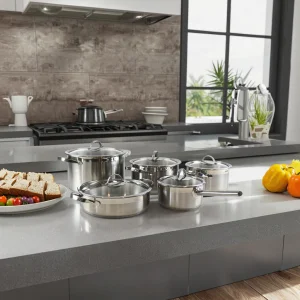
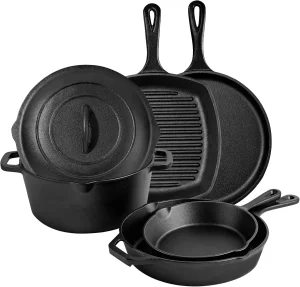
In contrast, commercial cloud kitchens and catering businesses require heavy-duty performance. Cookware here must survive constant, daily physical impact, extreme dishwasher temperatures, and continuous thermal cycling on high-power induction cooktops. For this scenario, thick-walled cast iron or tri-ply stainless steel bases are preferred over lighter alloys, as they prevent hot-spot deformation and ensure consistent food preparation times.

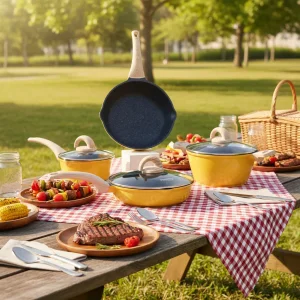
Furthermore, the outdoor recreation and camping market has emerged as a high-growth niche. Campers demand ultra-lightweight anodized aluminum cookware integrated with heat-resistant, foldable silicone utensil sets that nest together securely. Selecting a manufacturer like Eartha, who possesses cross-disciplinary engineering capabilities, allows brands to easily tailor product lines to these unique retail niches.

Future Forecasting

Key Trends Shaping the Kitchenware Industry (2025-2030)

As sustainability regulations tighten globally, the transition to circular economy materials is accelerating. Forward-thinking manufacturers are actively shifting to post-consumer recycled aluminum alloys for core construction, drastically reducing the carbon footprint of production. Importers must proactively seek partners who can verify recycled alloy content with international certifications, as this has become a powerful marketing tool for consumers.

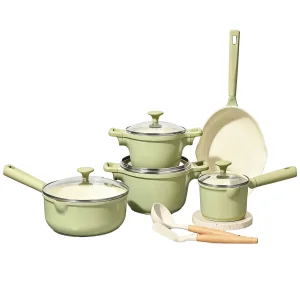
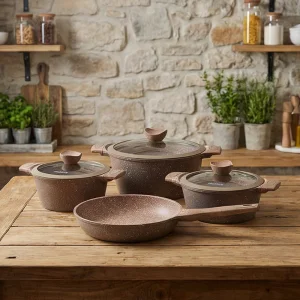
Additionally, visual design has taken center stage. Cookware is no longer hidden in cabinets; it is increasingly designed to serve as home decor. Modern consumers seek sophisticated matte finishes, soft cream/beige earth tones, and sleek, minimalist aesthetics. Cookware sets that seamlessly transition from the stove directly to the dining table—further enabled by removable handles—will continue to gain market share over traditional industrial designs.

Strategic B2B Sourcing FAQ

Critical Sourcing Questions & Industry Insights

What guarantees the longevity and food safety of modern ceramic coatings?
Modern ceramic coatings rely on Sol-Gel technology, forming a high-density, inorganic matrix primarily composed of silicon dioxide (SiO2). Because it contains no organic polymers, it is completely free of PFAS, PFOA, Lead, and Cadmium. Quality assurance is maintained through continuous cross-hatch tape adhesion tests, abrasion resistance tests using high-frequency cycle friction machines, and strict chemical testing in third-party labs to meet FDA and European LFGB compliance standards.
How does a removable handle cookware set optimize shipping volume and cost?
Traditional cookware sets require massive box dimensions due to protruding handles, resulting in high volumetric weight and container shipping inefficiency. A removable handle system allows pots and pans to nest completely inside one another. This reduces package volume by up to 45% to 50%, enabling importers to pack double the unit quantity into a single 40HC container, dramatically reducing per-unit ocean freight costs.
What are the main quality markers to look for when choosing a kitchenware supplier in Foshan?
First, look for established ISO 9001 and BSCI social compliance certifications. Second, verify the manufacturing machinery—fully automated die-casting and robotic spraying guarantee consistent thickness and quality. Third, evaluate their custom design (R&D) response time and third-party testing documentation (FDA/LFGB/SGS). Foshan Eartha Cookware Co., Ltd. satisfies all these requirements, presenting a reliable option for global procurement.
Can die-cast aluminum cookware be used on all stove types, including induction?
Yes, provided it features a high-density stainless steel induction plate bonded to the bottom. Because pure aluminum is non-magnetic, it will not activate induction coils on its own. Manufacturers bond a magnetic steel plate to the base using high-pressure thermal processes. This ensures the cookware remains fully compatible with induction, gas, electric, and halogen cooktops.
What is the standard lead time and MOQ for custom OEM cookware runs?
For standard OEM modifications (custom colors, basic branding, customized packaging), the average production lead time is 35 to 45 days. Minimum Order Quantities (MOQs) typically range from 1,000 to 2,000 units per set, depending on the complexity of the mold and customization requests. Reorders can often be processed faster.
How do factories perform compliance testing for European food contact regulations?
European food contact regulations (such as LFGB and Regulation EC No 1935/2004) are highly stringent. Factories submit materials to labs like SGS or TÜV Rheinland for chemical leaching and migration testing. In these tests, materials are exposed to simulated food stimulants (acids, oils, water) under high temperatures to ensure no chemical migration occurs.