Explore our flagship selection of engineered culinary cookware, optimized for high thermal diffusivity, induction efficiency, and food-safe coatings.
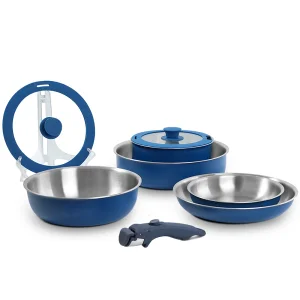
Analyzing thermal efficiency, substrate materials, and global supply chain frameworks for commercial and residential applications.
In professional kitchens and high-volume residential food preparation, the engineering of cookware is defined by thermodynamic control. High-quality cooking systems rely on the specific properties of thermal conductivity ($k$) and thermal diffusivity ($\alpha$). Thermal conductivity measures a material's capability to transfer heat across a gradient, whereas thermal diffusivity determines the rate at which heat moves through a substrate.
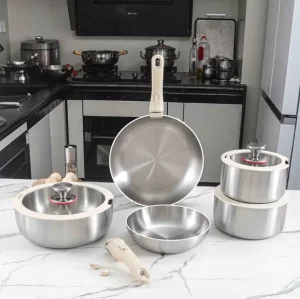
Standard stainless steel is durable and non-reactive, but exhibits poor thermal conductivity (approximately 15–16 W/m·K). In contrast, pure aluminum conducts heat at approximately 205 W/m·K. To balance durability, magnetic induction responsiveness, and even heat distribution, modern manufacturers utilize multi-ply clad structures. By encapsulating high-purity aluminum or copper cores within outer layers of magnetic stainless steel (SUS430) and food-grade interior stainless steel (SUS304), suppliers achieve optimal thermal distribution. This structural integration eliminates hot spots, prevents localized burning, and reduces total energy consumption.
The global market for thermal conductive cookware is expanding due to strict safety regulations and changing consumer preferences. Regulatory frameworks such as Europe’s LFGB (Lebensmittel- und Futtermittelgesetzbuch) and the United States FDA are restricting traditional fluoropolymer coatings (PTFE, PFOA, and other PFAS chemicals). Modern commercial operations and retail brands are shifting toward ceramic non-stick solutions. These advanced ceramic coatings, derived from sol-gel technology, form a silica-based matrix that is naturally non-toxic, heat-resistant up to 450°C, and free of persistent organic pollutants.
Additionally, commercial kitchens globally are adopting high-power induction cooktops to reduce carbon emissions and minimize HVAC loads. This shift requires cookware with thick, warp-resistant magnetic bases. Manufacturers are responding by engineering multi-layer encapsulated bases that resist warping under rapid thermal changes.
A leading Chinese manufacturer specializing in advanced ceramic nonstick and high-conductivity kitchen cookware systems.
Located in Foshan, Guangdong—one of China's primary industrial hubs. We integrate engineering, research and development, automated manufacturing, and logistics to serve international clients efficiently.
Equipped with automated production and testing facilities, we inspect all stages of production—from raw material selection to final packaging—ensuring food-safe, PFAS-free quality that meets international standards.
We offer flexible OEM and ODM manufacturing. Our R&D team collaborates with brands, wholesalers, and distributors to customize designs, materials, coatings, colors, and retail packaging.
Foshan Eartha Cookware Co., Ltd. is a professional China ceramic cookware set manufacturer and nonstick kitchen cookware supplier, dedicated to providing high-quality, healthy, and innovative cookware solutions for customers worldwide. Located in Foshan, Guangdong, one of China's leading manufacturing hubs, Eartha Cookware integrates product design, research and development, manufacturing, and global sales to serve international markets.
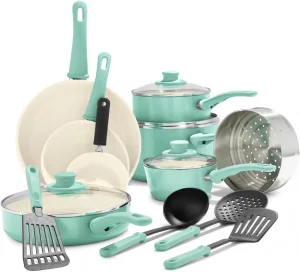
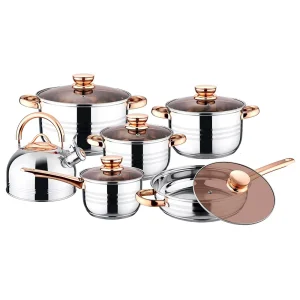
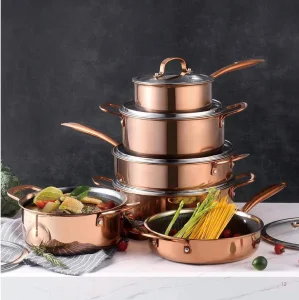
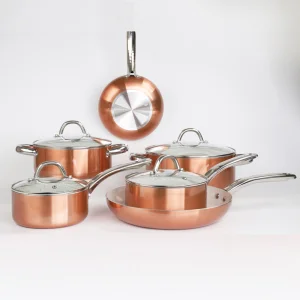
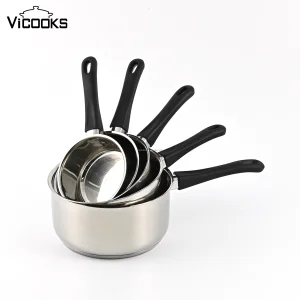
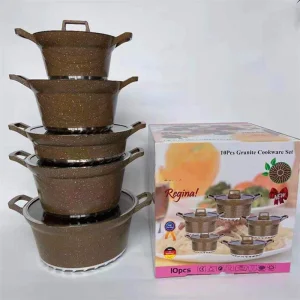
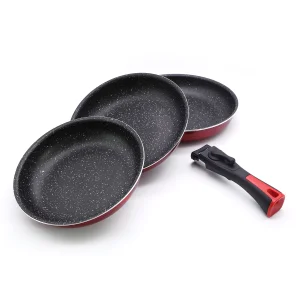
Our extensive product range includes ceramic nonstick cookware sets, frying pans, saucepans, stock pots, casseroles, induction cookware, PFAS-free cookware, and multifunction kitchen cookware. Designed for modern kitchens, our products combine excellent heat distribution, superior nonstick performance, durability, and stylish aesthetics to enhance everyday cooking experiences.
Equipped with advanced automated production lines and comprehensive testing facilities, Eartha Cookware strictly controls every stage of manufacturing, from raw material selection to final inspection. We are committed to producing environmentally friendly and food-safe cookware that meets international quality and safety standards. Our experienced quality control team ensures consistent product performance, reliability, and long service life.
To support global brand owners, wholesalers, distributors, retailers, and e-commerce businesses, we offer flexible OEM and ODM services. Our professional R&D team works closely with customers to develop customized cookware solutions, including product design, coating options, color matching, packaging, and private labeling.
Driven by innovation, craftsmanship, and customer satisfaction, Foshan Eartha Cookware Co., Ltd. continues to expand its presence in international markets. We are committed to becoming a trusted global partner by delivering premium ceramic cookware solutions that promote healthier, safer, and more enjoyable cooking experiences for consumers around the world.
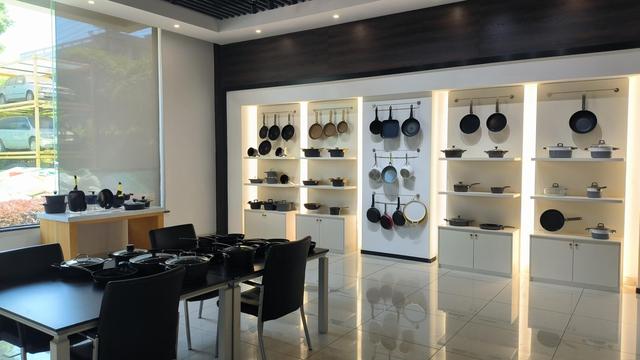
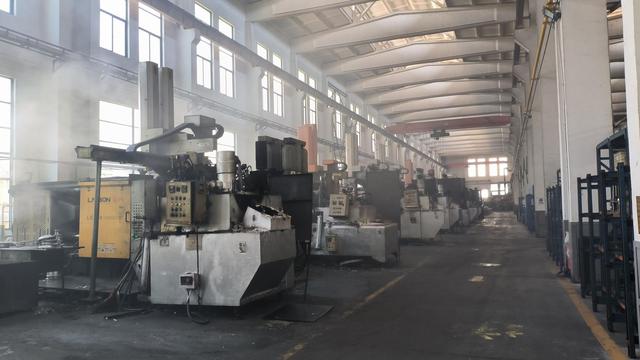
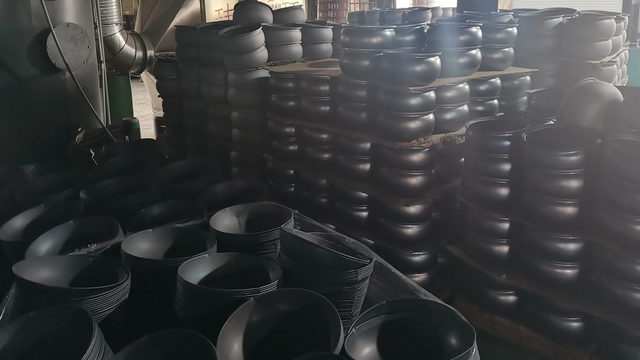
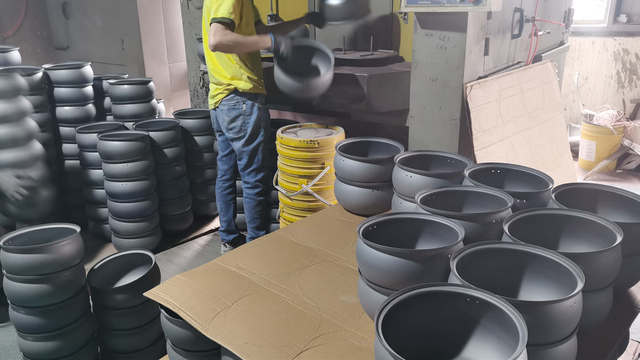
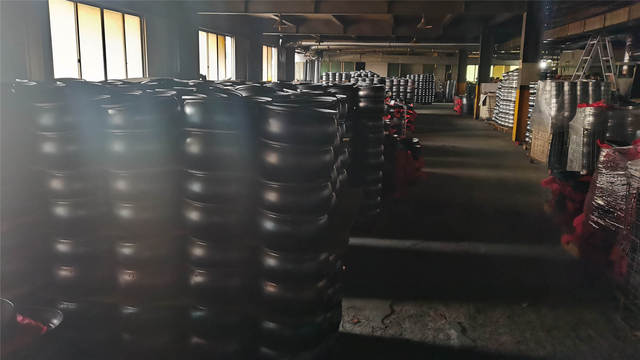
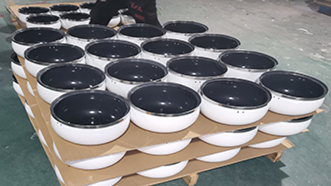
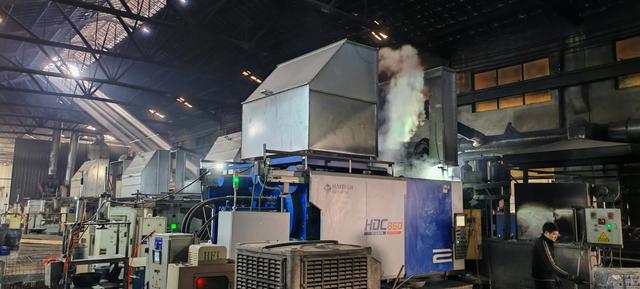
Understanding the industrial advantages of localized material access, automated production, and global shipping hubs.
The centralization of manufacturing in Guangdong Province offers structural cost and technical advantages for global buyers. Sourcing components across international borders often adds logistical costs and delays. In Foshan, the entire supply chain—including high-purity aluminum alloy refineries, precision tooling shops, ceramic coating suppliers, and packaging designers—is concentrated in a single industrial zone.
This proximity reduces lead times for complex custom tooling from months to weeks. Our automated hydraulic presses and robotically controlled spray booths operate with low material waste, reducing baseline manufacturing costs. For global importers, this means stable pricing and consistent product dimensions.
Large-scale retail distribution requires strict regulatory compliance. B2B procurement managers must ensure their suppliers maintain robust quality management systems. Foshan Eartha Cookware Co., Ltd. implements standard testing protocols:
Customizing design configurations for regional consumer demands and specific commercial environments.
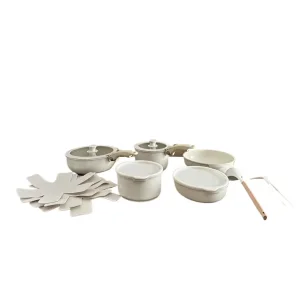
Modern residential markets require visually striking finishes, space-saving nested handles, and toxic-free, PFAS-free ceramic nonstick coatings. Consumers prioritize safety, clean designs, and compatibility with induction cooktops.
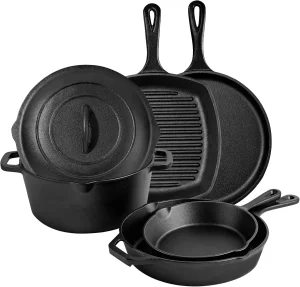
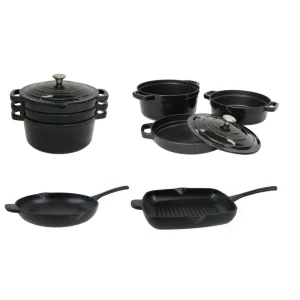
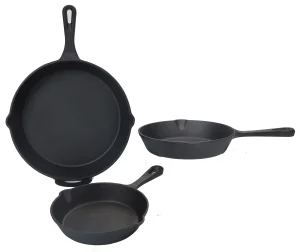
Commercial kitchens require heavy-gauge cast iron or multi-ply stainless steel designed for continuous high-heat use. Key requirements include thick rivet connections, ergonomic hollow-core handles that stay cool, and impact-resistant covers.
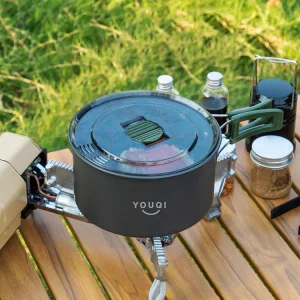
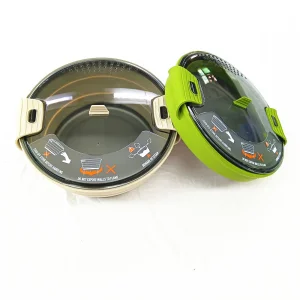
For camping and outdoor markets, hard-anodized aluminum provides high strength-to-weight performance. Portable nesting sets with folding handles and lightweight construction are ideal for active outdoor travel.
Expert answers addressing materials, custom manufacturing, logistics, and quality assurance processes.
Explore our advanced cookware designs, engineered for uniform thermal distribution, ergonomic safety, and long service life.

 Eartha Cookware