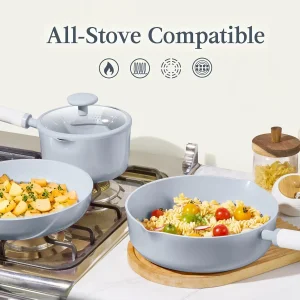
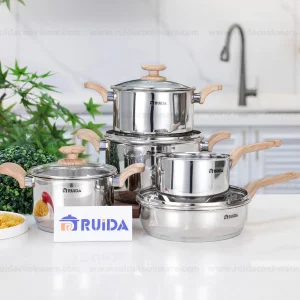
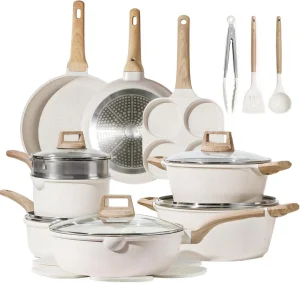
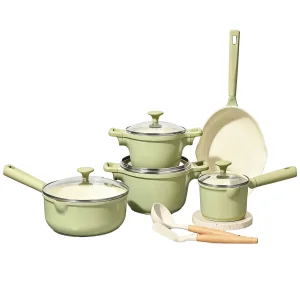
Engineered for quick heat distribution, high durability, and compliant safety standards tailored for demanding B2B partners across Texas.
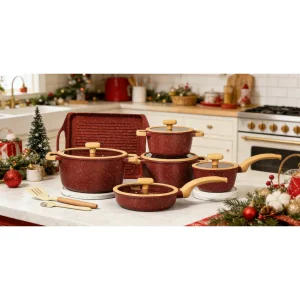
Over the past decade, the global cookware market has undergone a significant paradigm shift. Regulatory bodies including the US EPA and European EFSA have placed strict parameters around per- and polyfluoroalkyl substances (PFAS), including PFOA and GenX chemicals. This chemical scrutiny has directly impacted the commercial kitchen infrastructure and consumer retail choices in metropolitan areas like Houston, Texas.
Sol-gel technology—wherein an inorganic matrix of silicon dioxide (SiO2) is synthesized via chemical hydrolysis and condensation—has emerged as the premier alternative. Unlike traditional polytetrafluoroethylene (PTFE) coatings, ceramic coatings do not degrade under extreme heat to release volatile fluorinated compounds. For industrial procurement directors and high-volume retail suppliers in Houston, stocking high-grade ceramic saucepan sets is no longer just an eco-conscious trend; it is a critical strategy to mitigate liability and secure long-term consumer trust.
Houston stands as one of the key trade centers in the United States, acting as the maritime gateway via the Port of Houston, which handles more foreign waterborne tonnage than any other US port. The region’s culinary industry is highly diverse, ranging from upscale Tex-Mex and Creole fusion restaurants to massive contract catering operations servicing the Energy Corridor. This commercial scale requires heavy-duty saucepans capable of rapid thermal response, resistance to acidic food compounds (such as citrus and tomatoes common in Southwestern cuisine), and compatibility with modern induction cooktops.
Furthermore, local retail distribution hubs in Houston serve a population of over 7 million in the greater metropolitan area. Local retailers, catalog brand owners, and hospitality developers look for direct-to-factory partnerships to reduce Middleman costs. Importing bulk containers directly from Foshan, Guangdong to the Port of Houston provides significant cost-per-unit advantages, enabling local distributors to capture double-digit margins.
While design trends and distribution logic are centered in commercial hubs like Houston, the engineering excellence originates in Foshan, China. As one of the world's preeminent advanced manufacturing and metallurgy hubs, Foshan offers deep structural advantages in cookware production. Foshan Eartha Cookware Co., Ltd. leverages this ecosystem to control everything from aluminum casting alloys (such as 3003 and 5052 grades) to precision sol-gel coating application systems.
Integrating raw material supply chains allows for customized metal thickness (from 2.0mm light gauge to 4.5mm heavy-duty die-cast aluminum) and custom multi-layer base structures. The presence of chemical testing labs, BSCI certified factories, and advanced robotic spraying lines in Foshan ensures that B2B buyers receive consistent products that match international food-contact safety standards (FDA, LFGB, and REACH).
Standard non-stick pans utilize organic polymers that begin to break down at temperatures above 260°C (500°F). When exposed to heat spikes in professional kitchens, these coatings release harmful chemicals. Ceramic coatings, by contrast, utilize an inorganic sol-gel process:
This inorganic silica structure delivers a Mohs hardness score far superior to PTFE, preventing deep scratches. The resulting surface provides excellent release characteristics while remaining stable up to 450°C (842°F). This high thermal capacity prevents blister bubbling, peeling, or discoloration—critical for the fast-paced, high-heat cooking environments of commercial kitchens.
The technological timeline of how we develop next-generation ceramic pans to meet future US market requirements.
By shifting from standard gravity casting to high-pressure die casting, we reduce internal air inclusions. This yields a dense, uniform substrate that prevents hotspots and handles rapid thermal cycling without warping, ensuring flat bases on high-power induction surfaces.
To improve durability, we embed nano-scale ceramic reinforced particulates into the sol-gel network. This creates a multi-layered barrier that improves scratch and abrasion resistance while maintaining food release properties, even under heavy kitchen use.
We bond a 430 magnetic stainless steel bottom plate to the aluminum pan body. This structural bond ensures high induction efficiency, offering uniform heating on modern gas, electric, and induction cooktops popular in contemporary Houston homes and commercial kitchens.
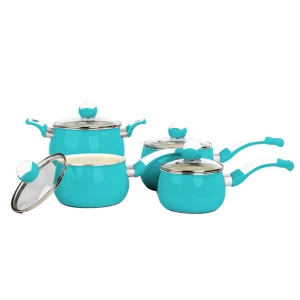
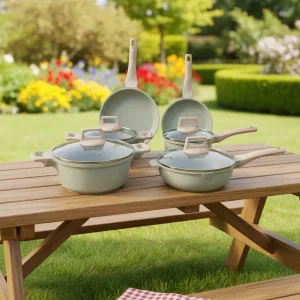
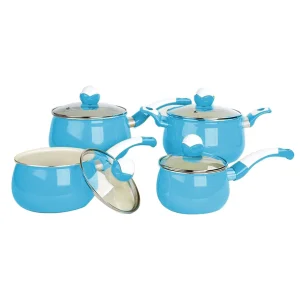
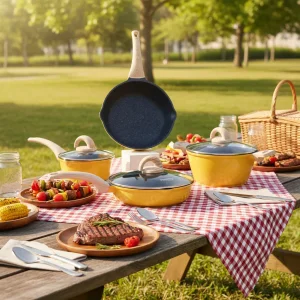
Explore our diverse OEM options. Each system is customizable for local branding, dynamic colors, and certified packaging.
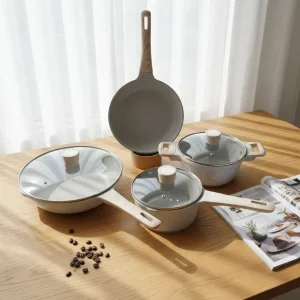
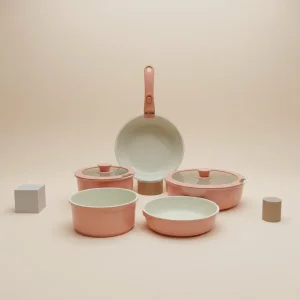

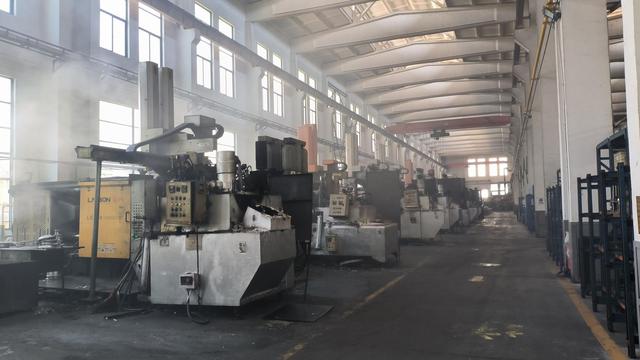
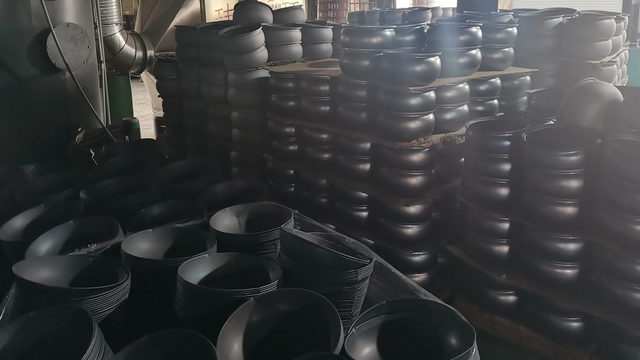
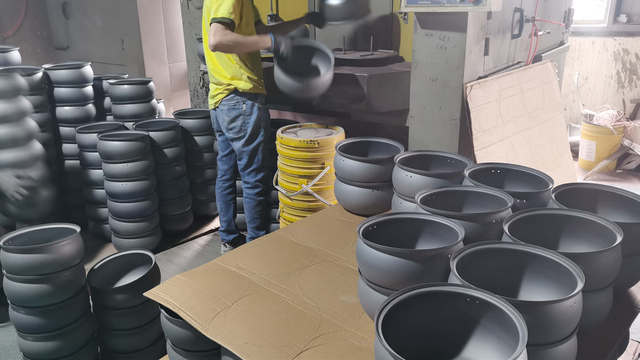
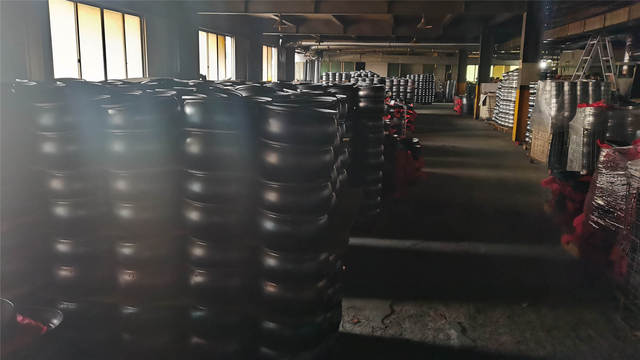
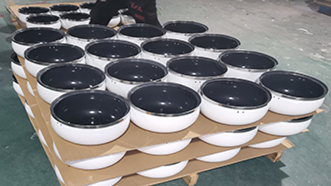
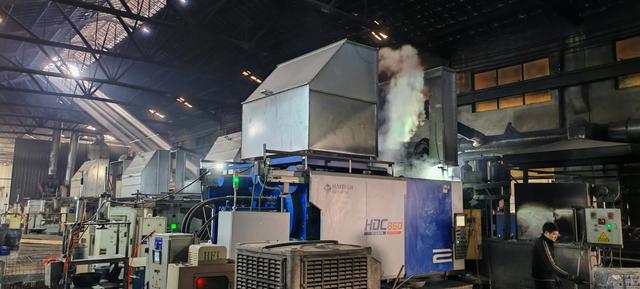
Foshan Eartha Cookware Co., Ltd. is dedicated to high-quality, nonstick kitchenware manufacturing. Explore our advanced facility and production capabilities.
Located in Foshan, Guangdong, Eartha Cookware integrates design, research, development, and manufacturing. Equipped with automated production lines and comprehensive testing facilities, we inspect products at every stage—from metal casting to the final curing of the sol-gel ceramic coating. Our quality control team ensures that all shipments destined for Houston comply with strict US import regulations and FDA standards.
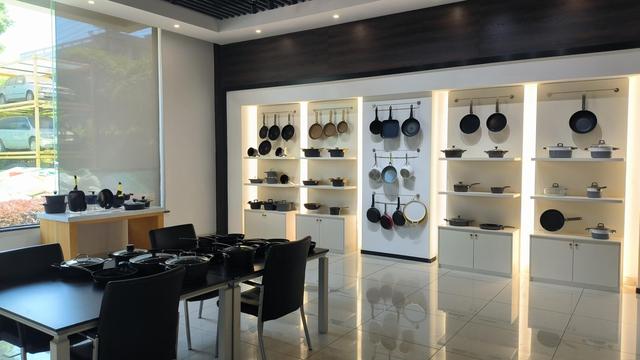
Detailed structural and operational answers to common inquiries from commercial buyers in the Houston area.
Get in touch with our engineering and logistics department to receive free physical samples, technical data sheets, and custom bulk quotes.
Send Inquiry Now Eartha Cookware