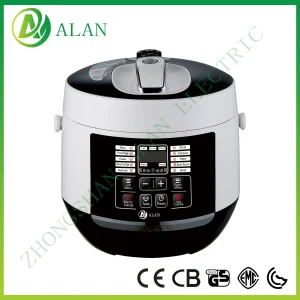
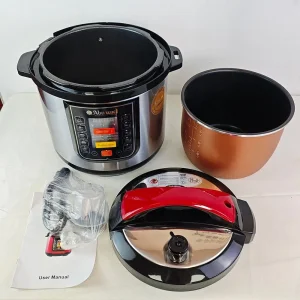
High-performance smart appliances and cooking systems engineered for low-energy consumption, safe voltage compliance, and superior kitchen ergonomics.
Exploring the convergence of macroeconomic growth, energy modernization, and the increasing demand for technological cooking standards.
Bangladesh represents one of the fastest-growing consumer markets in South Asia, characterized by rapid urbanization, a burgeoning middle class, and a massive demographic transition. In metropolitan centers like Dhaka, Chittagong, and Sylhet, household composition is shifting toward nuclear families with double-income streams. This socioeconomic transformation directly impacts domestic consumption habits, leading to a substantial premium placed on time-saving kitchen appliances, culinary durability, and advanced design aesthetics.
Historically reliant on sheet-pressed or low-grade sand-cast aluminum vessels, the modern Bangladeshi kitchen is undergoing a critical transition. Consumers are actively moving away from traditional heavy cookware that exhibits high maintenance requirements and inconsistent thermal dynamics. Instead, the demand is surging for high-integrity **Die-Cast Aluminum Cookware Sets** that offer unparalleled thermal conduction, structural stability, and long-term coating durability.
Urbanization Growth Rate (Y-o-Y)
LPG/Electric Cooktop Adoption
Die-Cast Structural Integrity
PFAS & PFOA Free Safety
How local resource dynamics in Bangladesh dictate global sourcing parameters for high-grade cookware.
A primary driver for cooking appliance modification in Bangladesh is the local energy landscape. Due to natural gas supply constraints (managed by Petrobangla), residential natural gas line pressures in major urban centers frequently drop during peak hours. Consequently, millions of households have transitioned to Liquefied Petroleum Gas (LPG) cylinders, induction hobs, or infrared smart cookers.
Using LPG cylinders significantly increases the direct cost of cooking energy. As a result, thermal efficiency is no longer a luxury but an economic necessity. Traditional thin sheet aluminum cookware warps rapidly on high heat, creating gaps between the pan bottom and the stove surface, leading to severe thermal loss. Conversely, die-cast aluminum cookware, engineered with integrated, thick ferromagnetic induction bases, heats up to 40% faster and retains heat exponentially longer. This allows consumers to reduce their gas or electricity consumption drastically, providing a clear economic ROI for the Bangladeshi household.
Die-cast aluminum features dense, porous-free molecular structures that distribute heat evenly, preventing local hot spots that burn food.
Equipped with specialized steel-plate bottom spraying, allowing the cookware to function seamlessly on Gas, Induction, Ceramic, and Electric stoves.
Heavy-duty die casting resists warping under intense heat cycles, outlasting standard pressed pans by up to 5 times.
Why leading global distributors and corporate buyers look for certified manufacturing integrity in cookware imports.
Global safety compliance requires PFOA, PFAS, lead, and cadmium-free coatings. Foshan Eartha Cookware implements advanced food-safe ceramic and PTFE nonstick options that meet strict FDA, LFGB, and European chemical directives, satisfying strict B2B compliance audits.
Sourcing from China to Chittagong requires careful load optimization. Our logistics department structures carton sizing, container filling ratios, and moisture-proof packaging to ensure sea freight transit does not degrade product finish or package integrity.
Distributors require customizable options for thickness, outer heat-resistant paint, glass lid configurations, and color combinations. We offer deep branding opportunities with custom silicone rim lids and bakelite handle modifications.
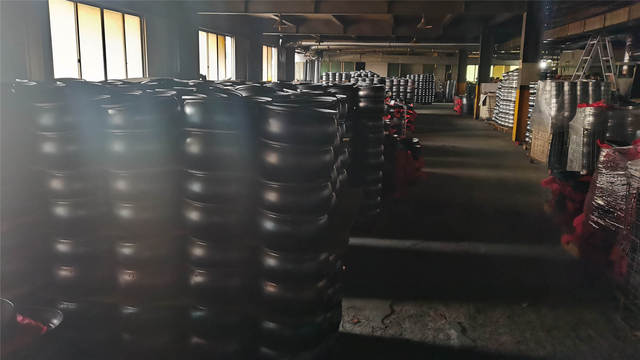
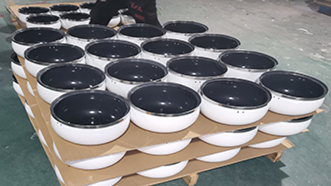
Inside Foshan Eartha Cookware Co., Ltd. – Where advanced technology meets premium artisan cookware fabrication.
Foshan Eartha Cookware Co., Ltd. is a leading China ceramic cookware set manufacturer and nonstick kitchen cookware supplier. Located in the heart of Foshan, Guangdong—China's legendary manufacturing powerhouse—we integrate modern industrial design, extensive R&D, heavy automated casting, and comprehensive global distribution under one facility.
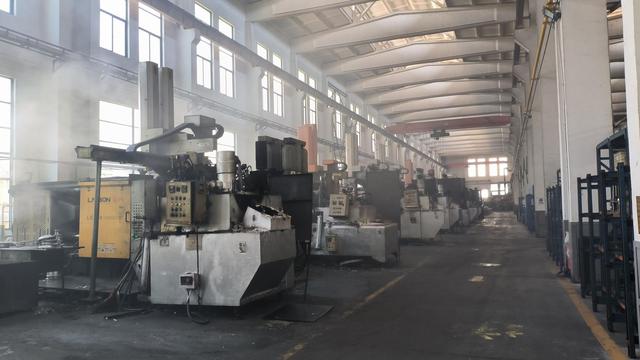
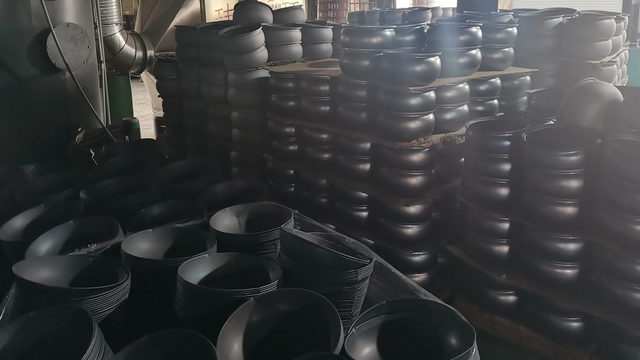
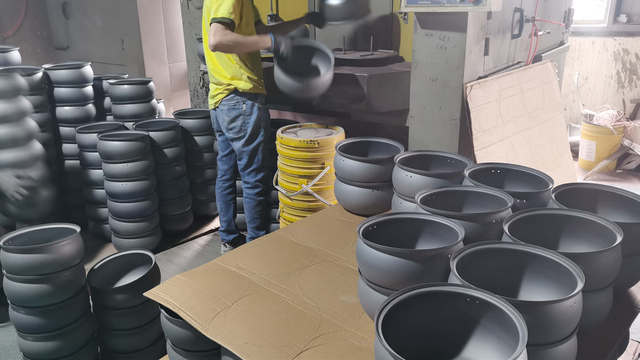
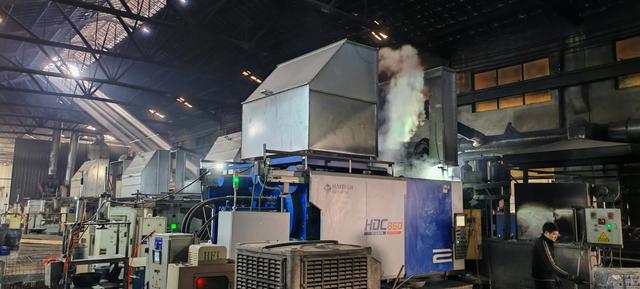
Our Factory 4.0 ecosystem utilizes state-of-the-art automated robotic die-casting machines (ranging from 800 to 1,200 metric tons of pressure). This extreme compression eliminates gas bubbles and micro-voids in the molten aluminum alloy, resulting in dense, warp-free pan bodies. Following casting, products go through an automated dry-film spraying line to apply multiple layers of reinforced nonstick coatings. Every step is monitored via real-time ERP systems to control temperature, dry-film thickness, and curing times, assuring stable product output for high-volume import distributors in Bangladesh.
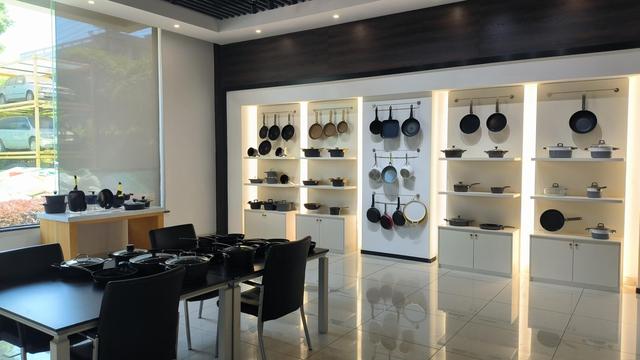
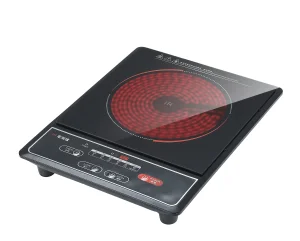
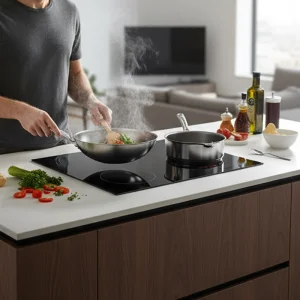
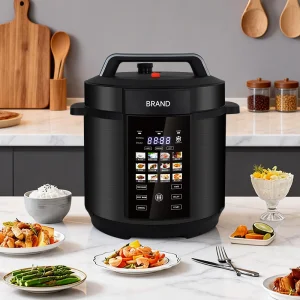
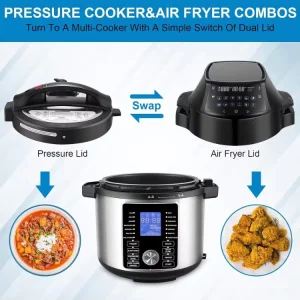
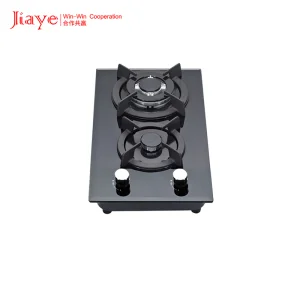
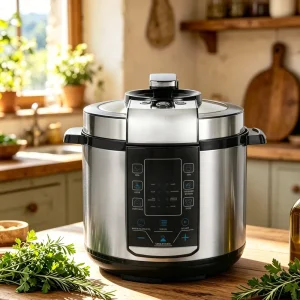
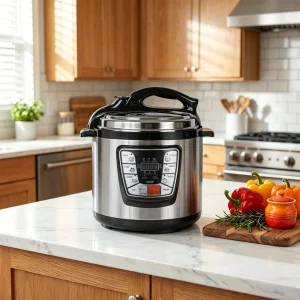
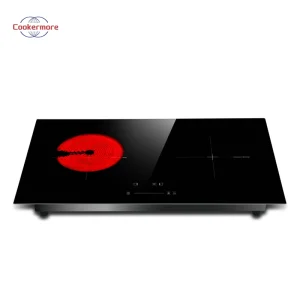
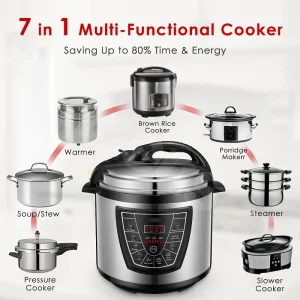
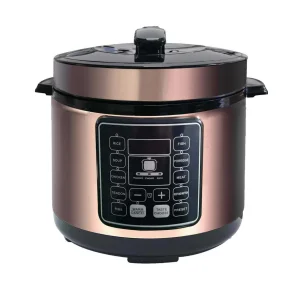
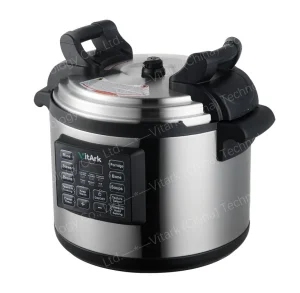
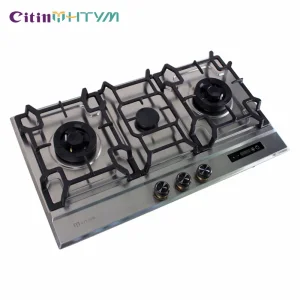
Highly durable tempered glass hobs and multi-functional appliances designed for volatile energy supply networks.
Ensuring consistent mechanical strength, coating adhesion, and food safety standards through international-level QC testing.
Addressing specific culinary challenges and infrastructural characteristics of South Asian kitchens.
Traditional Bangladeshi dishes, including Beef Bhuna, Mutton Kacchi, and various fish curries, require prolonged simmering, high-heat dry roasting of spices, and high-oil frying techniques. Pressed pans often burn garlic, ginger, and onion pastes due to poor heat dispersion.
Eartha Cookware's die-cast aluminum bases utilize a 4.5mm thick bottom profile, graduating to a 2.5mm rim thickness. This specific engineering profile ensures uniform heat storage and dispersion. Oil and spices stay centered in the pan rather than running to the edges, allowing chefs and home cooks to achieve standard browning and deep flavor release without scorching. Additionally, our nonstick surface is scratch-resistant, allowing it to withstand high friction during stirring.
Bangladesh's high humidity and relative salinity (especially in coastal zones like Chittagong and Cox's Bazar) accelerate oxidation on conventional metal cookware. Sub-par iron handles and exposed metal rivets rust rapidly, posing severe food safety risks.
Our premium die-cast ranges feature integrated aluminum handles cast as one single body piece with the pan, completely eliminating food trapping rivets. Externally, they are covered with high-density silicone or soft-touch bakelite, securing a safe grip. Anti-rust treatment protects exposed bottom areas, preventing salt air oxidation and retaining aesthetic appeal even in extreme coastal climates.
Clear, transparent answers regarding manufacturing processes, testing criteria, import duties, and customized options.
Optimized bulk stock options with high sales volume history and reliable delivery times for importing distributors.
 Eartha Cookware