Select, high-performance cooking tools manufactured to rigorous CE and international safety standards.
A comparative analysis of modern cookware materials, safety certifications, and commercial shifts.
Global regulatory pressure from REACH (EU) and FDA (US) is forcing a shift from PTFE coatings to eco-safe sol-gel ceramic and multi-layer non-stick bases.
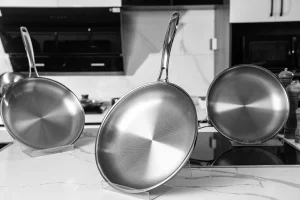
B2B buyers favor microdot patterned stainless steel combined with heavy-gauge aluminum cores to balance thermal conductivity and scratch resistance.
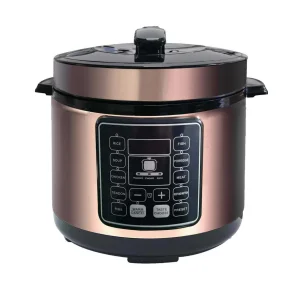
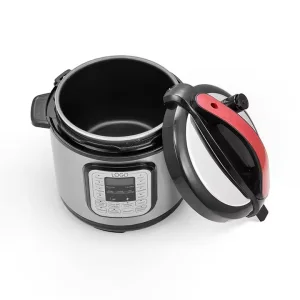
Electric pressure cookers and multi-cookers now integrate smart microprocessors for precision temperature curves, requiring strict CE LVD and EMC testing.
In the contemporary B2B cookware procurement landscape, standard specifications no longer suffice to gain market share. Modern importers, brand managers, and large retail chains face strict requirements regarding chemical compliance, structural safety, and ESG standards. The shift toward a "CE Certified Kitchen Essentials Set" represents a strategic safeguard against custom clearances delays, consumer liability, and brand erosion.
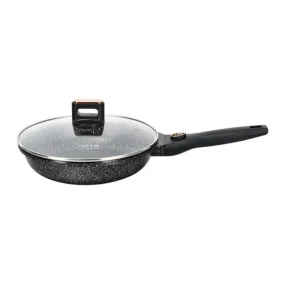
Whether sourcing for a commercial establishment, a dessert shop, or a household retail brand, understanding the mechanics of high-quality coating applications (such as granite-patterned non-stick, sol-gel ceramic formulas, and die-cast aluminum alloys) is key. The integration of induction-compatible multi-ply bases ensures cookware functions flawlessly on gas, electric, and magnetic-induction stovetops, making sets universally applicable across diverse culinary cultures.
Bridging the gap between automated precision manufacturing and custom ODM/OEM solutions.
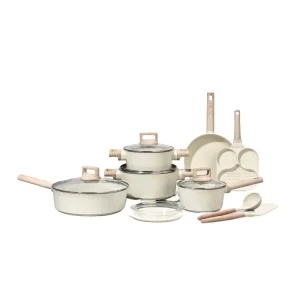
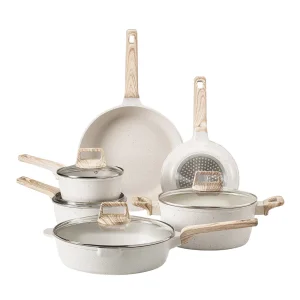
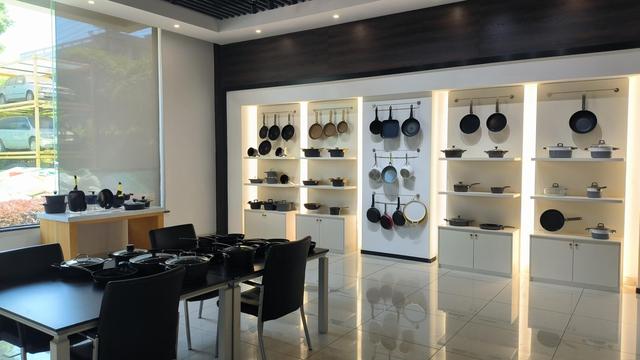
Foshan Eartha Cookware Co., Ltd. is a professional China ceramic cookware set manufacturer and nonstick kitchen cookware supplier, dedicated to providing high-quality, healthy, and innovative cookware solutions for customers worldwide. Located in Foshan, Guangdong, one of China's leading manufacturing hubs, Eartha Cookware integrates product design, research and development, manufacturing, and global sales to serve international markets.
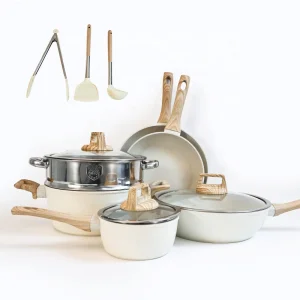
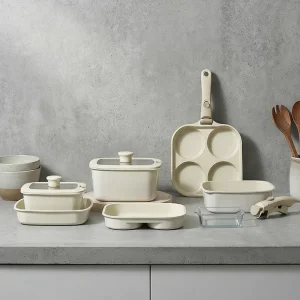
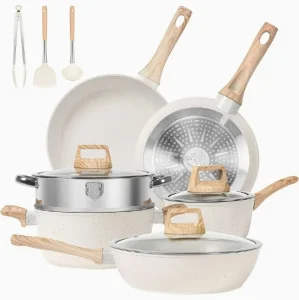
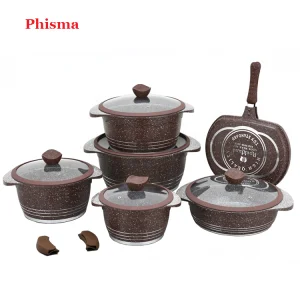
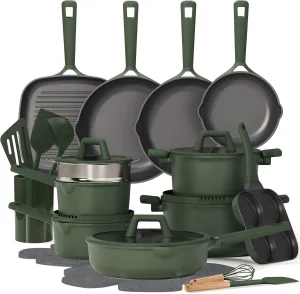
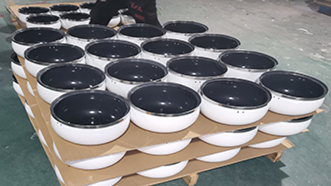
Our extensive product range includes ceramic nonstick cookware sets, frying pans, saucepans, stock pots, casseroles, induction cookware, PFAS-free cookware, and multifunction kitchen cookware. Designed for modern kitchens, our products combine excellent heat distribution, superior nonstick performance, durability, and stylish aesthetics to enhance everyday cooking experiences.
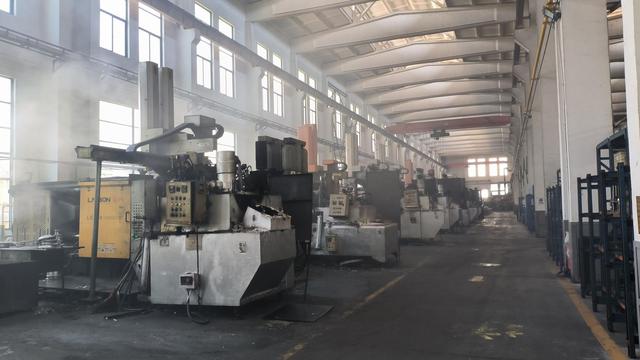
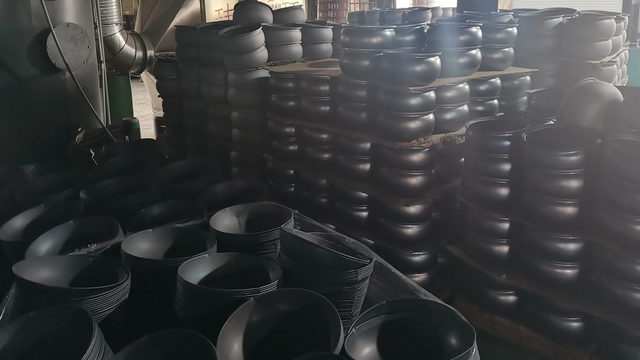
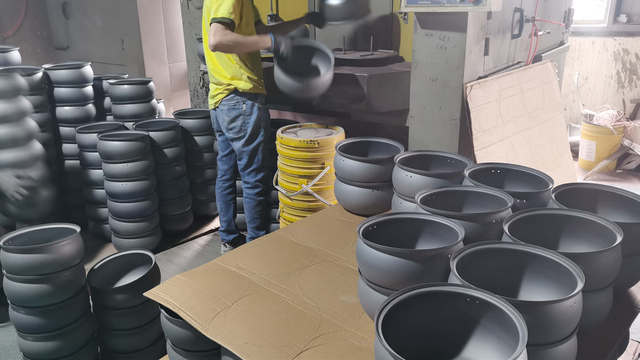
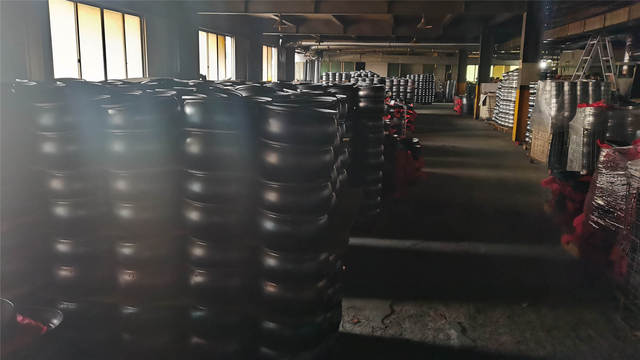
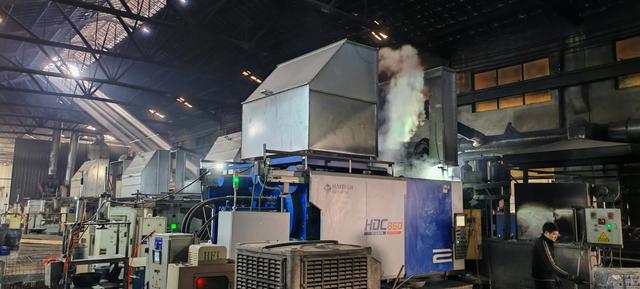
Equipped with advanced automated production lines and comprehensive testing facilities, Eartha Cookware strictly controls every stage of manufacturing, from raw material selection to final inspection. We are committed to producing environmentally friendly and food-safe cookware that meets international quality and safety standards. Our experienced quality control team ensures consistent product performance, reliability, and long service life.
To support global brand owners, wholesalers, distributors, retailers, and e-commerce businesses, we offer flexible OEM and ODM services. Our professional R&D team works closely with customers to develop customized cookware solutions, including product design, coating options, color matching, packaging, and private labeling.
Driven by innovation, craftsmanship, and customer satisfaction, Foshan Eartha Cookware Co., Ltd. continues to expand its presence in international markets. We are committed to becoming a trusted global partner by delivering premium ceramic cookware solutions that promote healthier, safer, and more enjoyable cooking experiences for consumers around the world.
Strategic approaches to risk mitigation, material science advancements, and compliance assurance.
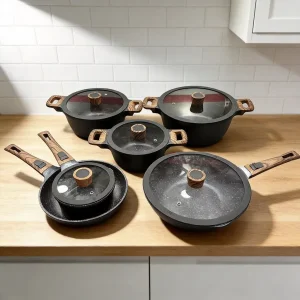
The global shift away from perfluorinated compounds (PFAS, PFOA) requires deep metallurgical and chemical innovations. By implementing ceramic sol-gel coatings, which are cured at lower temperatures compared to PTFE, factories reduce overall carbon footprints while providing a glassy, non-porous layer that requires minimal cooking oil. Future engineering routes involve embedding microcrystalline structures (such as marble and granite composites) into the aluminum substrate, significantly improving wear resistance (verified via mechanical abrasive tests up to 20,000 cycles).
Modern kitchens rely heavily on multi-source heating. To prevent warpage under rapid thermal changes, our factory utilizes high-pressure die casting. This manufacturing method yields high-density aluminum structures that avoid internal air pockets. Crucially, the application of a high-permeability magnetic steel bottom plate ensures rapid energy transfer on induction cooktops, preventing localized hotspots and subsequent food burning.
CE marking on kitchen essentials is not a singular certification but a combination of standards. For non-electrical cookware sets, safety is governed by EN 12983-1 (specifying requirements for handles, resistance to burning, thermal hazards, and base stability). For electronic components like multicookers and smart pressure cookers, it covers the Low Voltage Directive (LVD) 2014/35/EU and the Electromagnetic Compatibility (EMC) Directive 2014/30/EU. Purchasing from verified CE-certified factories provides direct customs entry and ensures product safety.
Key decision parameters for global cookware distributors and brand managers.
Ideal for established retailers seeking white-label options with minimal upfront development costs. Key focus areas include:
Suited for boutique brands and specialized importers aiming for market differentiation. Our engineering pipeline covers:
Direct answers from our senior technical and compliance managers.
Extending your brand catalog with durable, high-performance cooking gear.
 Eartha Cookware