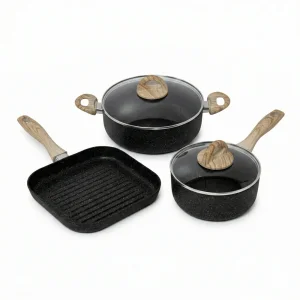
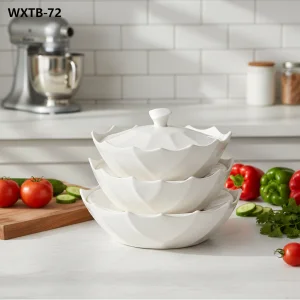
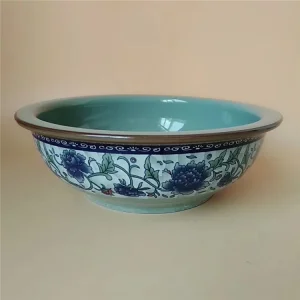
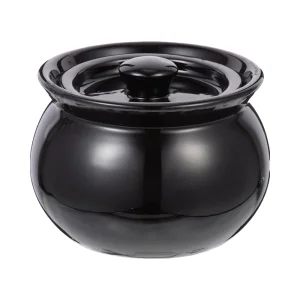
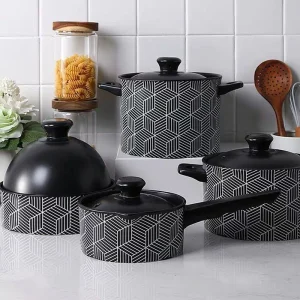
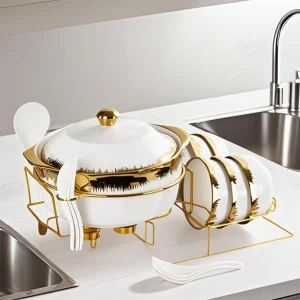
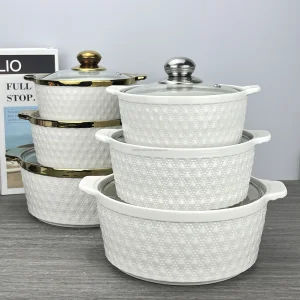
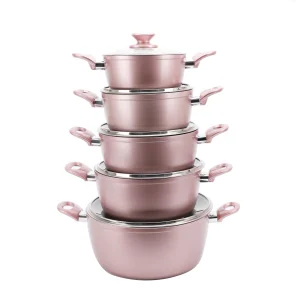
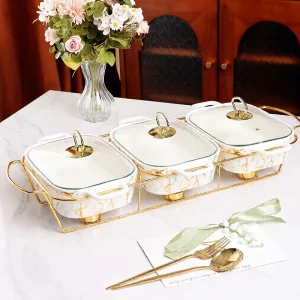
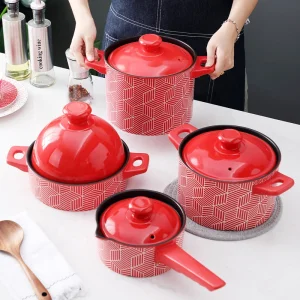
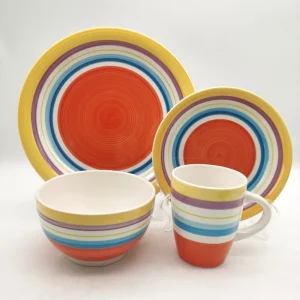
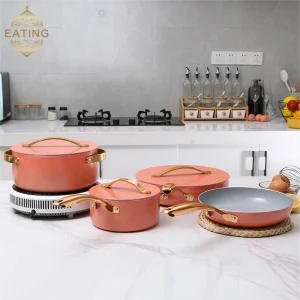
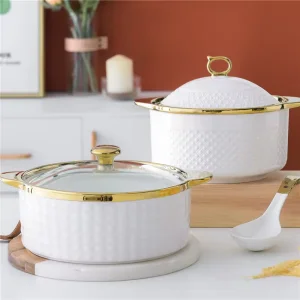
Engineered for rapid distribution and optimized for retail, wholesale, and hospitality markets across the United States.
Key analytical points demonstrating direct industrial alignment between China manufacturing hubs and United States West Coast logistics centers.
In the competitive landscape of commercial kitchenware supply, sourcing quality, safety-certified, and high-performance products is crucial for brands, importers, and hospitality chains. The metropolitan hub of Los Angeles, California, serves as the premier entry gateway for premium kitchenware in the United States, managing an immense network of distribution channels via the Port of Los Angeles and Port of Long Beach.
This comprehensive whitepaper outlines the structural parameters of sourcing ceramic stock pot sets, comparing direct-factory manufacturing capabilities from international hubs like Foshan with local distribution solutions in Southern California. We evaluate the raw materials, chemical coatings, California compliance standards, thermal efficiency thresholds, and supply chain logistics required to operate successfully in today's culinary market.
Los Angeles is not just a destination for high-end dining and lifestyle brands; it is the logistics backbone of the North American consumer goods market. For global procurement officers looking to import ceramic stock pot sets, the Los Angeles warehousing corridors (such as City of Industry, Rancho Cucamonga, and Ontario) provide unparalleled strategic advantages:
However, local distribution in California requires strict adherence to environmental regulations and consumer protection frameworks, most notably California Proposition 65 and the U.S. FDA compliance metrics for food contact surfaces. These criteria dictate the technological direction of modern ceramic manufacturing.
While Los Angeles represents the ideal gateway and commercial hub, manufacturing excellence originates in dedicated centers of technical expertise. Foshan Eartha Cookware Co., Ltd. is a professional China ceramic cookware set manufacturer and nonstick kitchen cookware supplier, dedicated to providing high-quality, healthy, and innovative cookware solutions for customers worldwide. Located in Foshan, Guangdong, one of China's leading manufacturing hubs, Eartha Cookware integrates product design, research and development, manufacturing, and global sales to serve international markets.
Our extensive product range includes ceramic nonstick cookware sets, frying pans, saucepans, stock pots, casseroles, induction cookware, PFAS-free cookware, and multifunction kitchen cookware. Designed for modern kitchens, our products combine excellent heat distribution, superior nonstick performance, durability, and stylish aesthetics to enhance everyday cooking experiences.
Equipped with advanced automated production lines and comprehensive testing facilities, Eartha Cookware strictly controls every stage of manufacturing, from raw material selection to final inspection. We are committed to producing environmentally friendly and food-safe cookware that meets international quality and safety standards. Our experienced quality control team ensures consistent product performance, reliability, and long service life.
To support global brand owners, wholesalers, distributors, retailers, and e-commerce businesses, we offer flexible OEM and ODM services. Our professional R&D team works closely with customers to develop customized cookware solutions, including product design, coating options, color matching, packaging, and private labeling.
Driven by innovation, craftsmanship, and customer satisfaction, Foshan Eartha Cookware Co., Ltd. continues to expand its presence in international markets. We are committed to becoming a trusted global partner by delivering premium ceramic cookware solutions that promote healthier, safer, and more enjoyable cooking experiences for consumers around the world.
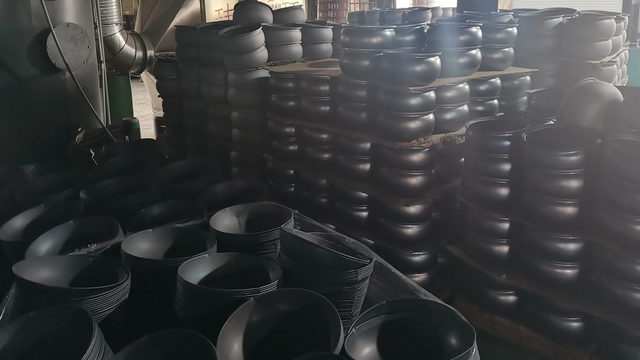
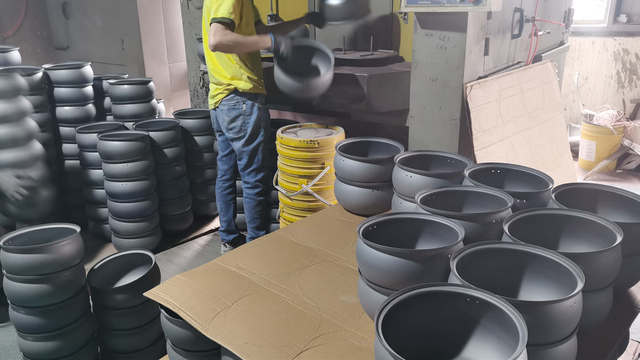
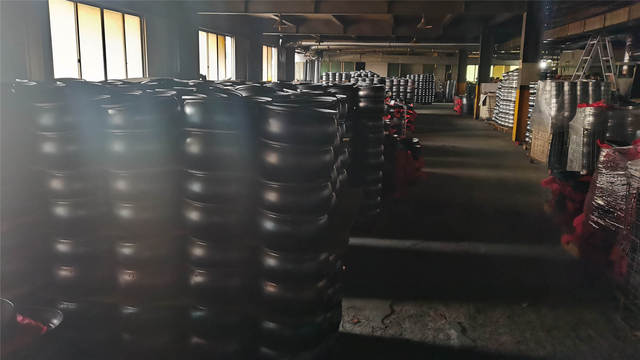
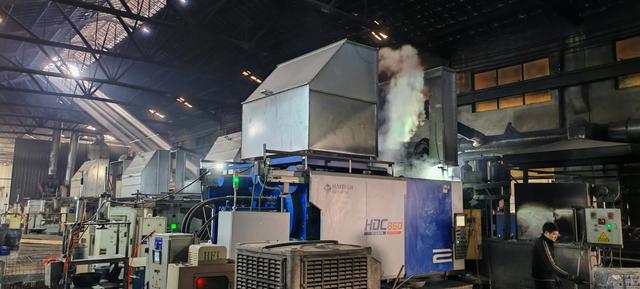
The integration of industrial automation and rigid material inspection ensures that every batch of ceramic stock pots exported to Los Angeles is structurally stable. Below is an overview of our state-of-the-art manufacturing facilities, testing laboratories, and automated packaging systems:
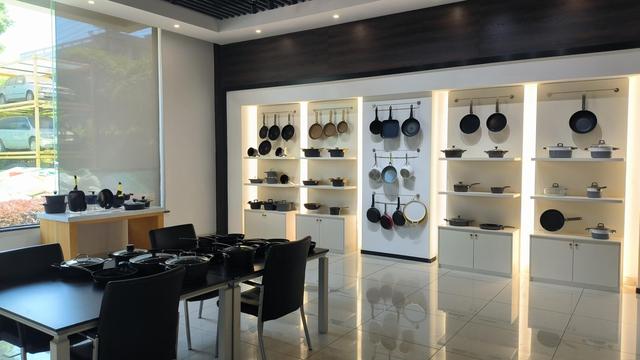
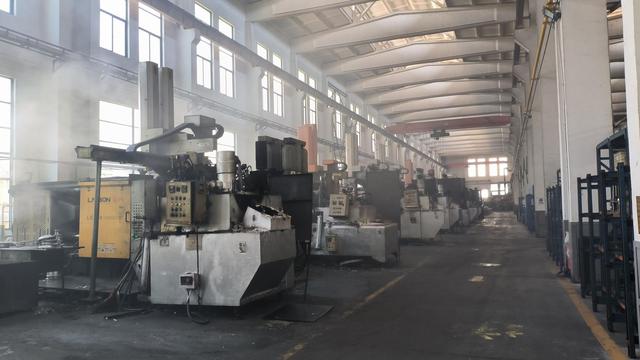
B2B buyers, product managers, and health-conscious consumer groups in Los Angeles are shifting focus away from fluorpolymer coatings. Sol-gel ceramic coatings represent the next evolutionary phase of non-stick kitchen technology.
| Parameters | Traditional PTFE (Teflon-Based) | Sol-Gel Ceramic Coating | High-Purity Natural Ceramic (Eartha Cookware) |
|---|---|---|---|
| Chemical Composition | Polytetrafluoroethylene polymer | Silicon Dioxide (SiO2) inorganic matrix | Sintered Mineral Clay & Silicate Glaze |
| Environmental Profile | Contains PFAS, potential toxic emissions at high temp | 100% PFAS, PFOA, Lead & Cadmium-free | Zero-synthetic chemical interaction |
| Thermal Threshold | Degrades at 260°C (500°F) | Withstands up to 450°C (842°F) | Withstands up to 600°C (1112°F) |
| Durability (Cycles) | Moderate mechanical life | Highly resistant to scratches when engineered properly | Extremely long lifespan; highly impact resistant |
| Induction Compatibility | Depends on steel base integration | Compatible via thermal magnetic diffusion bases | Specially integrated compound bottoms available |
Modern ceramic stock pot non-stick capability is derived from sol-gel technology. The term refers to a chemical solution-deposition method where liquid reagents ("sol") undergo polymerization reactions to create an integrated solid network ("gel").
By applying this silicon dioxide (SiO2) mineral gel onto the aluminum or stainless steel substrate of the stock pot, followed by high-temperature curing, the surface changes into a glass-like, non-porous layer. The outcome is a hydrophobic food-contact surface that requires minimal cooking oil, distributes heat evenly across the thermal surface, and eliminates the risk of toxic gas emission during dry boiling.
To satisfy the specific demands of the culinary sector in California, Foshan Eartha Cookware Co., Ltd. implements a multi-layer sol-gel formulation, bonding the base ceramic compound with reinforcement layers of quartz crystals. This increases overall resistance against mechanical abrasion by 300% compared to base-level imports.
For major enterprise purchasers in Los Angeles and the broader North American market, procurement is a calculation of cost, delivery time, and consistency. When importing ceramic stock pot sets, buyers should utilize a structured risk mitigation matrix:
California state laws are among the strictest in the world regarding consumer chemical exposure. Products imported through the Port of Los Angeles must satisfy regulatory guidelines to avoid expensive litigation:
As thermal science progresses, ceramic cookware is evolving beyond traditional designs. The future of ceramic stock pot sets relies on smart materials, optimized induction conductivity, and sustainable processing.
Advanced Induction Bases: Standard ceramic pots are naturally non-magnetic. Modern development centers are integrating high-grade 430 magnetic stainless steel plates into the base via high-pressure spray technology. This delivers rapid, uniform heating across induction surfaces, preventing localized hot spots.
Nanostructured Coatings: Incorporating ceramic nanoparticles increases hard-surface resilience, prolonging the lifespan of non-stick properties. Future cookware will integrate self-healing properties that recover from micro-scratches through controlled heat exposure.
Preserving exact manufacturing details, direct URLs, and product visual configurations for global wholesale and OEM importing.
Technical answers to general commercial questions for sourcing agencies, kitchen distributors, and global import operations.
Connect directly with our engineering team to request physical product samples, customized OEM estimates, and technical laboratory documentation.
 Eartha Cookware