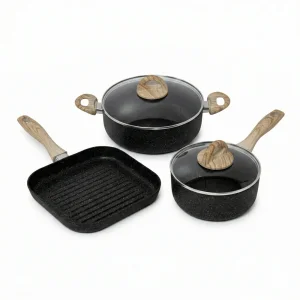
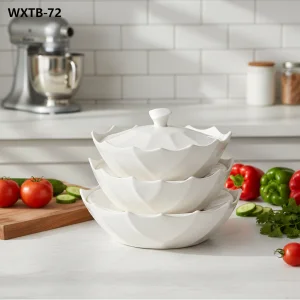
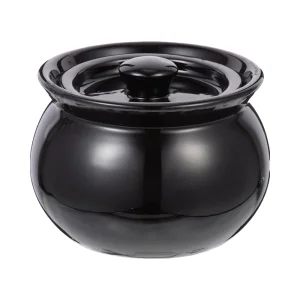
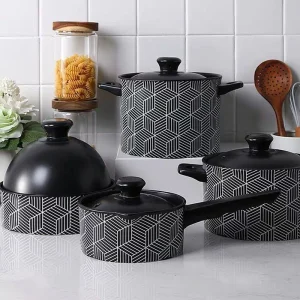
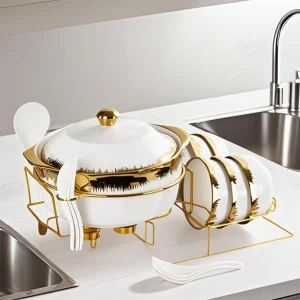
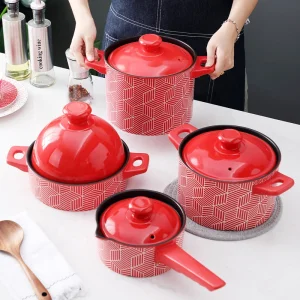
Ceramic Stock Pot Set Suppliers & Exporter for Moscow

Pioneering High-Thermal Capacity, PFAS-Free Ceramic Cookware Solutions Customized for the Russian Foodservice, Retail, and Hospitality Landscapes.

Engineered Kitchenware Built for Global Procurement Networks

Providing high-precision product design, automated manufacturing, and direct shipping logistics to Moscow wholesalers and brand owners.

100%
PFAS/Lead-Free Material
EAC
TR CU Compliant Safety
15-20 Days
Express Rail Transit to Moscow
OEM/ODM
Full Customization Available

Moscow Market Dynamics: Evolution of Kitchenware Consumer Patterns

As the metropolitan heart of the Eurasian market, Moscow represents a highly specialized demand profile for household goods. In recent years, local culinary spaces have transitioned rapidly from traditional metal pots toward high-performance, non-toxic ceramic solutions. Driven by the expansion of residential real estate in Moscow City, ZILART, and neighboring districts, there is a clear trend toward premiumization, environmental safety, and advanced kitchen technologies.

Culinary Suitability: Retaining Thermal Energy for Russian Classics

Traditional Russian cuisine relies heavily on slow-cooked dishes such as Borscht, Shchi (cabbage soup), and Kasha (porridge). These dishes require gentle, uniform heat transmission over extended periods. Ceramic cookware holds a distinct thermodynamic advantage here:

  • Volumetric Thermal Capacity: Ceramic has a high specific heat capacity, absorbing and storing heat energy. This ensures that when fresh, cool root vegetables are introduced, the overall soup temperature does not plummet, preserving delicate flavors.
  • Far-Infrared Emission: Natural ceramic bodies release far-infrared waves when heated. This molecular radiation penetrates food materials deeply, cooking proteins and starches evenly from inside out without scorching the surface.
  • Moisture Sealing Design: The structural weight of heavy ceramic lids creates an air-tight thermal envelope, minimizing moisture loss and concentrating the aroma of slow-cooked recipes.

Energy Dynamics & Induction Compatibility

In modern Moscow apartments, gas lines are increasingly replaced by high-power electric and induction cooktops. This creates a functional challenge: traditional clay pottery is non-ferromagnetic. Eartha Cookware resolves this via specialized base engineering. By applying an integrated SUS 430 magnetic-conductive base plate to the bottom of ceramic bodies, our stock pots bridge the gap, functioning seamlessly across induction, halogen, gas, and microwave devices.

Uncompromising Quality Standards for Russian Importers

Our engineering framework focuses on technical innovation, strict material hygiene, and direct supply lines.

100% Non-Toxic & PFAS-Free

Our proprietary sol-gel ceramic non-stick coatings are formulated without PTFE, PFAS, PFOA, Lead, or Cadmium, surpassing both FDA and European food-contact safety standards.

Thermal Shock Resistance

Engineered with petalite-reinforced ceramic composites, our pots withstand extreme temperature drops (from 400°C down to 20°C in water immersion) without cracking.

Highly Resistant Glaze Layer

Double-fired at 1250°C to create an ultra-dense, glassy surface matrix that repels acidic food components, stops odors from setting in, and supports commercial washing.

Foshan Eartha Cookware: Industrial Infrastructure and Supply Resiliency

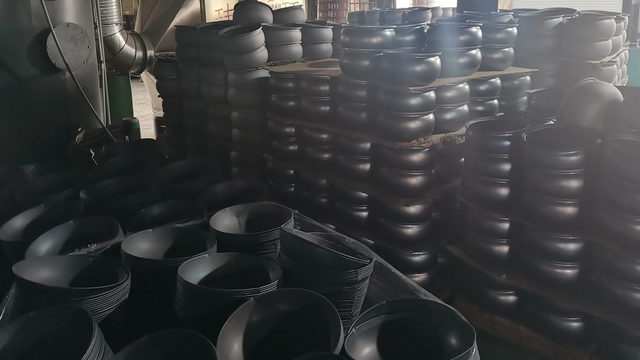
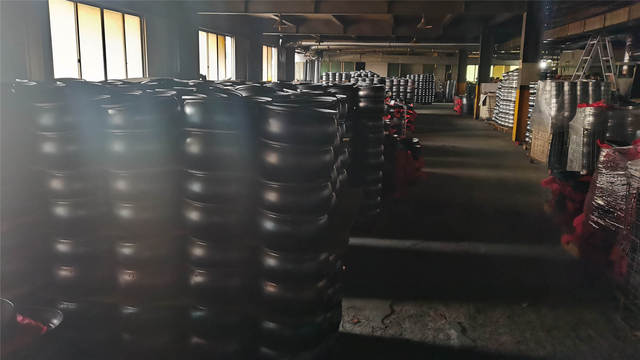
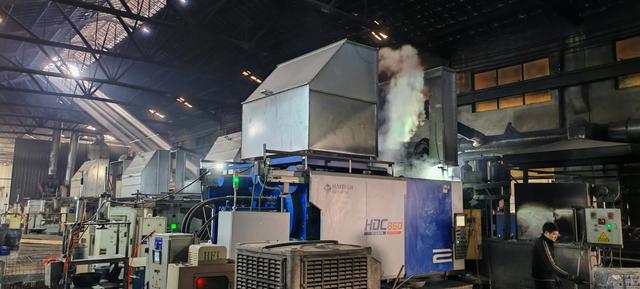
Located in Foshan, Guangdong—China's leading hub for advanced metal and ceramic manufacturing—Foshan Eartha Cookware Co., Ltd. integrates design, material engineering, automated production, and direct global export channels. This strategic footprint allows us to support major cookware retailers, distributors, and brand owners across Moscow with reliable volume delivery.

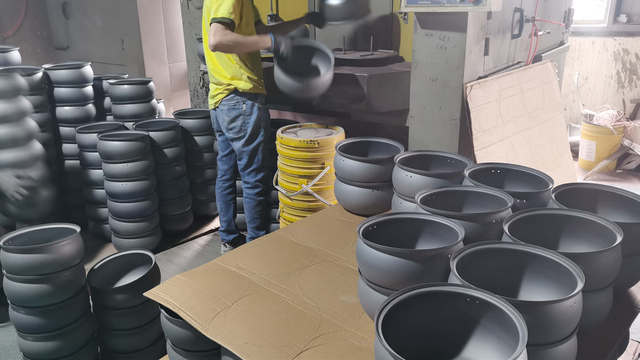
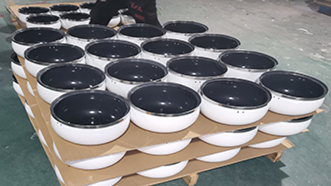
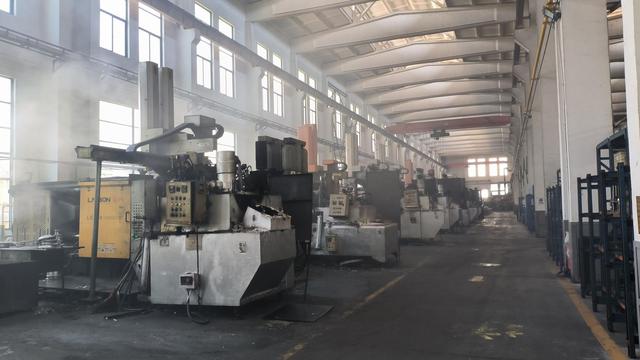
Our facility runs high-capacity automated production lines alongside advanced quality control testing. From material checks through formatting, glazing, and kiln firing, every batch of ceramic cookware is documented for consistency. By mixing high-grade clay with natural mineral petro-compounds, we secure uniform thermal distribution and long-term durability under heavy use.

Flexible Customization (OEM & ODM Services)

To help brand owners stand out in competitive markets, our design team offers end-to-end ODM/OEM support:
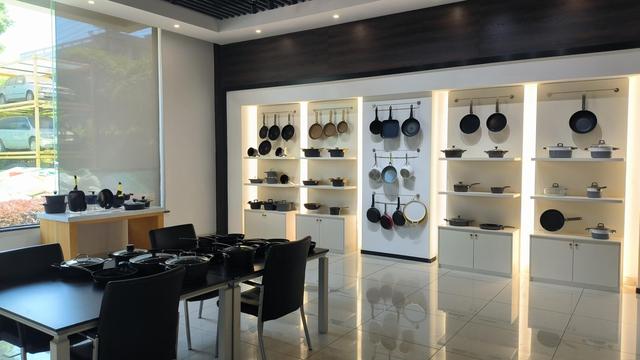
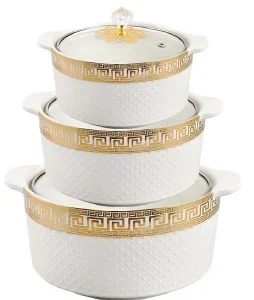
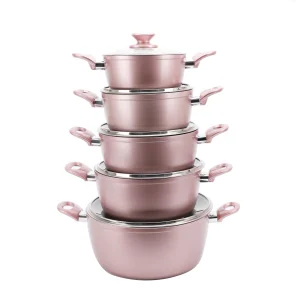
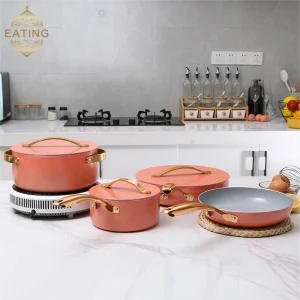
  • Custom Glazes and Finishes: Matching Moscow interior trends with custom colors, retro matte finishes, and embossed detailing.
  • Structural Adaptations: Adjusting pot depth, handle shapes, and lid weight to meet specific market requirements.
  • Branding Integration: Direct application of high-durability brand logos onto raw bases before glazing and firing.

Logistics and Regulatory Support for Russian Importers

Direct shipments to Moscow require clear compliance management and reliable logistics channels. We provide comprehensive paperwork support to simplify import procedures.

Regulatory Compliance and Certification

All kitchenware intended for contact with food in the Russian Federation must comply with regional safety standards. We support our importers with:

  • EAC Certification Assistance: Helping prepare the technical documents required under CU TR (Customs Union Technical Regulations) for food safety.
  • Heavy Metals Migration Testing: Providing lab results confirming that lead, cadmium, and other metal ions stay well below limits defined by GOST standard testing protocols.
  • Environmental Audits: Sharing raw material reports verifying that our production methods omit hazardous chemicals, in line with modern green procurement demands.

Direct Logistics Routes: Foshan to Moscow

By using the China-Europe Railway Express (New Silk Road) shipping networks, we bypass ocean freight bottlenecks. Shipping directly from our Foshan facility to Moscow terminals like Bely Rast, Vorsino, or Silikatnaya cuts travel time down to 15-20 days. This stable overland route reduces inventory carrying costs and helps you adapt quickly to market demands.

Advanced Coating Technology & Future Outlook (2025–2030)

Continuous innovation in ceramics is vital to maintaining a competitive edge. Our R&D division in Foshan is actively engineering next-generation material composites to meet future kitchen demands.

Our Current Focus Areas:

  • Silicon Dioxide (SiO2) Nanoparticle Glazes: Refining our sol-gel methods to integrate silica nanoparticles, creating a denser surface glaze. This update boosts micro-scratch resistance by up to 40% under standard kitchen utensil test cycles.
  • High-Sensitivity Thermal Lids: Developing lids with integrated, food-grade thermal color indicators. The handle changes color when the internal temperature reaches simmering thresholds, helping users manage energy use.
  • Lightweight Structural Clays: Adjusting clay composition with lightweight materials to reduce structural weight by 15% without compromising heat retention.

Through these developments, Foshan Eartha Cookware continues to supply retailers and commercial operators with high-performance, kitchen-ready products designed to last.

Frequently Asked Procurement Questions

Answering common questions from buyers and logistics managers in Moscow.

1. What is the standard MOQ for wholesale shipments to Moscow?
Our standard Minimum Order Quantity (MOQ) is generally 500 sets for custom OEM colors, branding, or specific shapes. Smaller quantities may be available for stock-ready designs. Contact our sales department to discuss custom logistics arrangements.
2. Do these ceramic stock pots work on modern induction cooktops?
Yes, our induction-compatible models feature an integrated SUS 430 magnetic-conductive base plate. This allows them to work efficiently on induction stovetops, as well as gas, halogen, electric, and traditional oven systems.
3. How does Eartha Cookware handle EAC and GOST certification?
We provide laboratory test reports, raw material breakdowns, and compliance documents detailing low lead/cadmium limits. We work closely with our partners' customs brokers to ensure all documentation is complete for smooth import clearance.
4. What is the shipping time to Moscow terminals using rail freight?
Overland rail transit from Guangdong hubs to Moscow freight terminals (like Vorsino or Bely Rast) typically takes 15 to 20 days. This is significantly faster than traditional ocean routes shipping via St. Petersburg or Novorossiysk.

Ready to Build a Direct Supply Line to Moscow?

Get in touch with our Foshan engineering and sales teams to request samples, confirm pricing, and review custom design options.

Send Inquiry Now