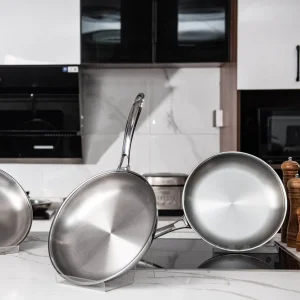
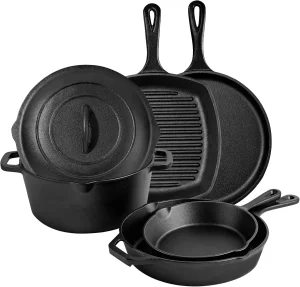
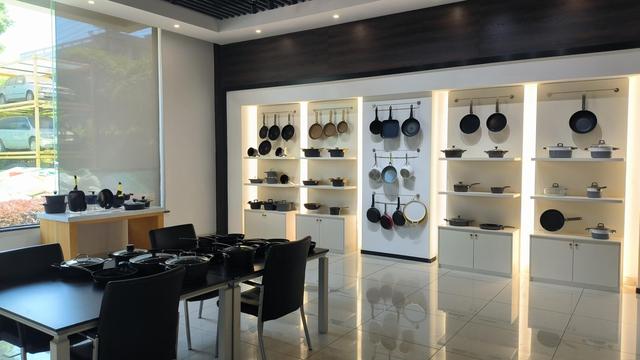
Our flagship healthy cookware models selected for Seoul's retail partners, department stores, and environment-focused buyers.
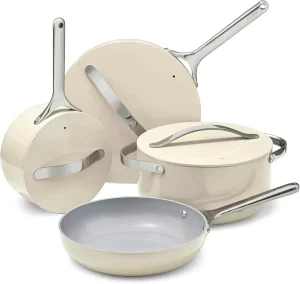
The global cookware manufacturing landscape is undergoing a structural paradigm shift, driven by legislative developments, ESG mandates, and evolving consumer safety requirements. Specifically in Seoul and its surrounding metropolitan area, which constitutes half of South Korea’s population, the transition towards PFAS-free alternatives has escalated from an option to a commercial imperative. Consumers in high-density regions like Gangnam, Mapo, and Seongdong-gu are increasingly health-conscious, pushing premium department stores (including Lotte, Hyundai, and Shinsegae) to demand certified PFOA, PFOS, and general fluorocarbon-free kitchenwares.
Note on Regulatory Direction: South Korea's Ministry of Food and Drug Safety (MFDS) has continuously updated its oversight on fluoroplastics used in food contact materials. As South Korea moves aligned with EU REACH proposals and US state-level restrictions on per- and polyfluoroalkyl substances (PFAS), import compliance teams in Seoul are demanding fully validated ceramic and mineral-based non-stick mechanisms.
Seoul’s culinary industry—composed of Michelin-starred dining establishments, sprawling eco-friendly franchise chains, and home cooking innovators—is rapidly adopting zero-toxin cookware policies. Modern urban developments in Songpa and Yongsan highlight eco-friendly interior designs, extending to clean kitchenwares that do not emit volatile organic compounds (VOCs) or toxic fumes during high-temperature cooking. For B2B importers, distributors, and kitchenware brand owners in South Korea, partnering with qualified manufacturers who can prove consistent, automated application of silicon-dioxide (SiO2) ceramic coatings is the ultimate way to maintain market viability.
As an established China ceramic cookware set manufacturer and nonstick kitchenware supplier based in Foshan, Guangdong, Foshan Eartha Cookware Co., Ltd. is at the forefront of this industrial transformation. Leveraging advanced material engineering, we integrate full product development, automated precision manufacturing, and customized export services tailored to South Korea's stringent safety frameworks. We operate with a fundamental objective: to eliminate toxic synthetics without sacrificing the easy-release performance demanded by contemporary chefs.
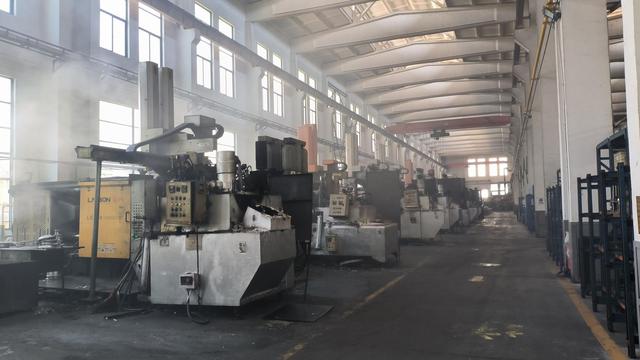
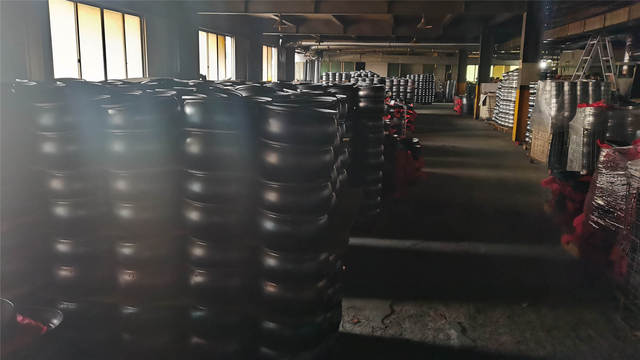
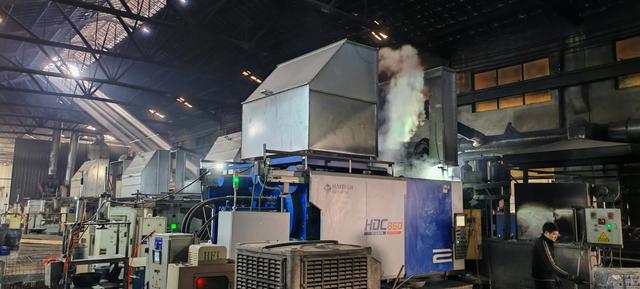
Our industrial capabilities translate into reliable batch consistency, logistical efficiency, and compliance safety for South Korean importers.
Globally, the restriction of PTFE-based cookware (often containing PFAS) has intensified. The proposed European Chemicals Agency (ECHA) restriction and the US EPA’s lifetime health advisory limits have triggered major global sourcing transitions. Distributors in Seoul face a tough choice: source premium ceramic or stainless-steel alternatives that carry premium pricing, or risk safety recalls with low-grade traditional nonstick coatings.
This is where Eartha Cookware’s raw materials strategy provides a competitive edge. Our R&D team works closely with leading global coating brands (such as Weilburger, Whitford, and domestic premium ceramic chemical developers) to design specialized mineral matrices. By fusing natural sand minerals (silicon dioxide) with a sol-gel manufacturing process, we produce surfaces that withstand up to 450°C without structural breakdown or thermal outgassing—vastly exceeding the safety limits of conventional polymers.
Why source from Foshan instead of local Korean or other international manufacturers? The key lies in the unparalleled industrial synergy of the Pearl River Delta:
Supply Chain Security: Our streamlined manufacturing flow allows us to offer OEM/ODM services with shorter production lead times, giving Seoul importers the flexibility to scale inventory based on real-time market demand.
South Korean kitchens present unique challenges that standard global cookware cannot meet. Sourcing directors must evaluate how these utensils perform in real-world scenarios across Seoul’s diverse culinary sectors:
Virtually all modern apartments in regions like Banpo, Mapo, and Songdo utilize induction cooktops (IH). Unlike gas ranges, induction requires cookware with high-density magnetic bottom plates. Eartha Cookware integrates specialized spray-tech and impact-bonded steel bases that maximize electromagnetic coupling efficiency, preventing the high-pitched humming noises common in lower-grade imports.
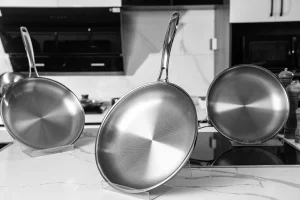
Korean cuisine frequently involves high-sodium broths, fermentation acids (from Kimchi), and high-heat searing. Traditional coatings degrade quickly under these conditions. Our proprietary ceramic-matrix and tri-ply stainless-steel honeycomb structures are engineered to resist chemical corrosion and scratching, making them ideal for cooking stews (Jjigae) and grilled meats (Bulgogi).
Seoul's delivery-service sector depends on speed and reliability. Cookware must endure quick-cooling cycles (thermal shock) during peak rush hours. Eartha's strict quality control process includes rigorous thermal shock testing (plunging heated pans into cold water), ensuring our cookware remains flat and flat-bottomed even in demanding commercial environments.
Our non-stick coatings are thoroughly tested by third-party laboratories (SGS, TUV) to guarantee zero chemical migration, fully complying with South Korea’s strict food contact safety regulations.
Our ODM services cover customized pan colors, ergonomic handle designs (silicone, bakelite, stainless steel), and eco-friendly packaging tailored for South Korean retail channels.
Designed with optimized thickness profiles, our pans distribute heat evenly, saving energy and preserving food nutrients during cooking.
To help South Korean procurement managers make informed decisions, we have answered the most common questions regarding PFAS-free cookware sourcing:
Browse our full range of PFAS-free solutions, including ceramic, granite-style, honey-comb stainless, and cast-iron kitchenware.
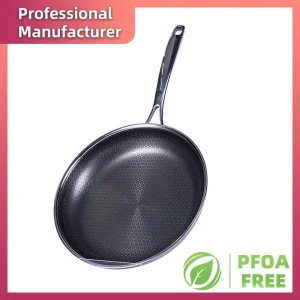
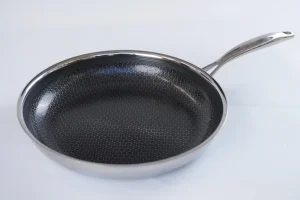
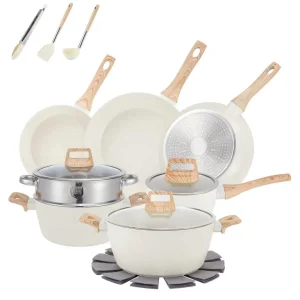
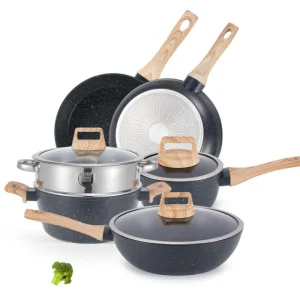
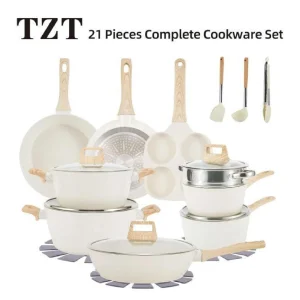
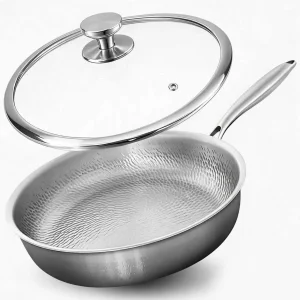
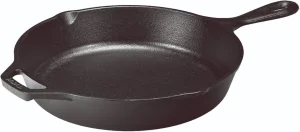
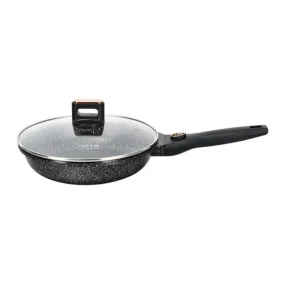
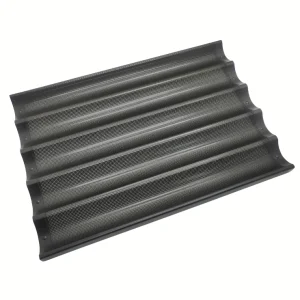
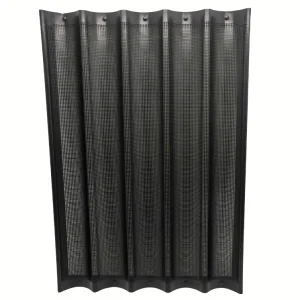
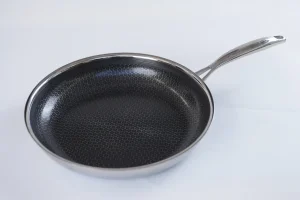
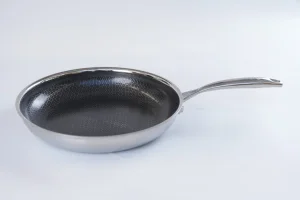
At Foshan Eartha Cookware Co., Ltd., we prioritize structural safety and performance. Our manufacturing processes are designed to deliver reliable products for high-turnover retail environments in South Korea:
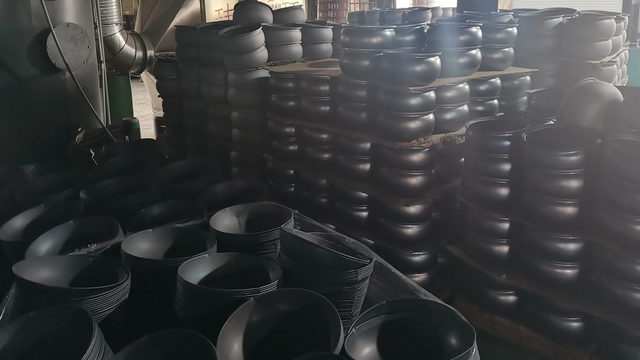
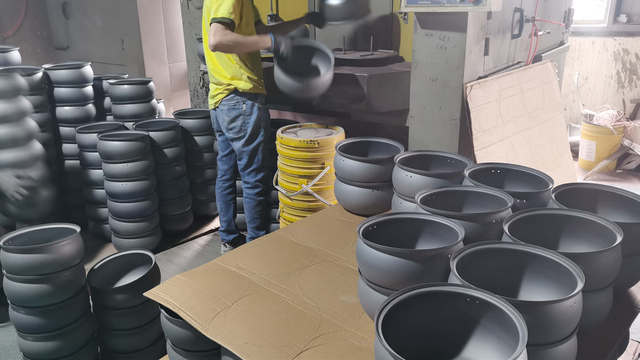
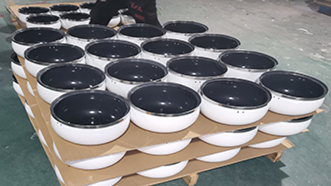
From the initial stamping of high-gauge aluminum disks to the final curing of ceramic coatings, our quality assurance team conducts rigorous evaluations. This includes coating adhesion cross-cut tests, salt spray corrosion tests, and continuous abrasion tests using specialized metal scrubbers. Our production lines combine precise engineering with advanced materials, ensuring each product maintains its non-stick release properties for thousands of cooking cycles.
Get in touch with our engineering team for customized design parameters, cost estimates, and test samples for the South Korean market.
 Eartha Cookware